
WEEKLY
July 13, 2026
ANALYSIS
DESIGNING OFFSHORE WIND FOR EARTHQUAKES: JAPAN’S ENGINEERING CHALLENGE
- Offshore wind engineering was shaped by North Sea conditions. But as investment shifts toward Japan and other Pacific markets, engineers face a question that European standards were never designed to answer.
- How to build a wind farm that can withstand both a Category 4 typhoon and a massive earthquake? European practices will need to be adapted for use in Japan.
ENERGY JOBS IN JAPAN: A SENIORITY SYSTEM FRUSTRATES THE LEADERS OF TOMORROW
- Japanese firms have long-established seniority systems, promotion pathways, and a development roadmap for future leadership.
- These systems, with their rigidity, is a primary cause for top talent moving on. When promotion is heavily influenced by tenure not merit – those who drive the strongest results often get frustrated.
ASIA PACIFIC REVIEW
This column provides a brief overview of the region’s main energy events from the past week
NEWS
- JOGMEC and India sign critical minerals deal
- JBIC signs ¥80 bln loan to support India’s HDVC transmission project
- Eole, Shin Energy to develop AI data center
- Electricity spot market sell-bids hit record high
- Govt reports progress on full retail electricity market liberalization
- ANRE proposes rule updates for baseload market auction
- MGC, ACME ink deal for green methanol
- Precious Metals launches operation of pure hydrogen fuel cell system
- ORLIB patents next-gen LFP silicon battery tech in U.S. and Europe
- TGES launches govt-backed BESS and solar PPA demo in Thailand
- PXP to scale up production of CSCs
WIND POWER AND OTHER RENEWABLES
- Vestas selected for METI support for offshore wind nacelle assembly
- bp to exit Yamagata offshore wind project
- Tokyo Gas signs 25-year PPA with Renova for onshore wind power
- J-Power begins retrofit of 350 MW hydro plant
- Japan, South Korea and U.S. agree deal on SMRs
- INPEX agrees with ADNOC for LNG from Ruwais
- Japanese firms eager to buy LNG from new facility on Mexico’s west coast
- Marubeni sells stake in U.S. oil asset
CARBON CAPTURE & SYNTHETIC FUELS
- METI discusses possible methods to factor costs and revenues for ETS
- Metropolitan CCS starts drilling well in Chiba
EVENTS
Jun 11-Jul 19 FIFA World Cup
August Asia-Pacific Economic Cooperation / Energy Ministerial Meeting
Sept 7-10 APPEC 2026, Singapore
Sept 9-11 Smart Energy Week (Autumn) 2026 @ Makuhari Messe (co-exhibiting H2 & FC Expo, Battery Japan, Smart Grid, Wind Expo, CCUS Expo, etc.)
Sept 9-11 Automotive World @ Makuhari Messe
September 14-18 IAEA General Conference 2026 @ Vienna, Austria
Oct 8 Innovations for Cool Earth Forum (ICEF) @ Westin Tokyo
Oct 13-15 Global Offshore Wind Summit – Japan
2026 @ Nagasaki
Nov 2-5 ADIPEC 2026 @ Abu Dhabi
Nov 3 U.S. Midterm Elections
Nov Publication of International Energy
Agency – World Energy Outlook 2026
Nov 18-19 Asia-Pacific Economic Cooperation –
Leaders Meeting @ Shenzhen, China
PUBLISHER
K. K. Yuri Group
Editorial Team
Yuriy Humber (Chief Editor)
John Varoli (Senior Editor, Americas)
Kyoko Fukuda (Data, Events)
Magdalena Osumi (Renewables & Storage)
Filippo Pedretti (Thermal, CCS, Nuclear)
Tetsuji Tomita (Power Market, Hydrogen)
Aglaé Bange (Renewables and Biomass)
George Hoffman (Sales, Business Development)
Tim Young (Design)
SUBSCRIPTIONS & ADVERTISING
Japan NRG offers individual, corporate and academic subscription plans. Basic details are our website or write to subscriptions@japan-nrg.com
For marketing, advertising, or collaboration opportunities, contact sales@japan-nrg.com. For all other inquiries, write to info@japan-nrg.com
NEWS: GENERAL OUTLOOK AND TRENDS

JOGMEC signs critical minerals cooperation with India
(Organization statement, July 3)
- JOGMEC signed an MoC with the Geological Survey of India to deepen collaboration on the exploration of critical minerals and other mineral resources.
- The agreement was announced alongside the Japan–India leaders’ summit on July 2.
- The two organizations will exchange information and expertise on mineral exploration, resource assessment and exploration tech.
- CONTEXT: India is a major global producer of steel and non-ferrous metals, and will become an important supplier of critical minerals needed for clean energy tech.
- TAKEAWAY: The agreement supports Japan’s strategy to diversify and strengthen critical mineral supply chains through international partnerships with friendly nations, lessening dependence on China. The minerals are essential for batteries, chips and the energy transition.
- SIDE DEVELOPMENT:
- JBIC signs ¥80 bln loan to support India’s HVDC transmission project
- (Company statement, July 2)
- Japan Bank for International Cooperation (JBIC) signed an ¥80 billion loan with India’s state-owned transmission company Power Grid Corp of India to support a HVDC transmission project linking the Khavda Renewable Energy Park in Gujarat with Nagpur in Maharashtra.
- JBIC will provide ¥48 billion of the financing and guarantees for the private lenders’ portion of the loan.
- The project seeks to boost India’s transmission network to help integrate renewable energy – India seeks to achieve 500 GW of renewable energy capacity by 2030.
- CONTEXT: The financing also supports Japan’s energy security and supply chain strategy under the POWERR Asia initiative while creating future business opportunities for Japanese suppliers of HVDC equipment.
Eole Inc and Shin Energy to develop AI data center
(Company statement, Nikkei, July 9)
- Tokyo-based internet firm Eole Inc and Shin Energy Development Co. formed a business alliance to develop a 100 MW-class AI data center and power infrastructure in Western Japan.
- The plans include a LNG thermal power plant, expected to open in April 2029. They’ll also acquire and utilize existing power plants.
- Eole Inc will invest up to ¥3.6 billion and will handle customer acquisition. Shin Energy will oversee project consulting, development, and management.
Eneres and partners to test next-gen IoT routers for DR applications
(Company statement, July 2)
- A consortium of 10 companies was selected under METI’s FY2025 supplementary budget to conduct a DR feasibility study of IoT routers for smart meters.
- Participating firms include Eneres, Osaka Gas, KEPCO, Tokyo Gas, TEPCO Energy Partners, Toho Gas, and Shizen Connect.
- The study will test commercial application of next-gen IoT routers for smart meters.
- As an aggregator, Eneres will:
- Determine if operational responsibility should lie with the TSO or aggregator;
- Define security risks.
- Along with other participants, Eneres will also:
- Compare costs, financial benefits and operational performance of conventional routers and IoT routers;
- Identify use cases for IoT routers.
- The study will run through February 2027.
- TAKEAWAY: This study aims to assess the operational and economic feasibility of IoT routers, which require more extensive maintenance than conventional routers as they connect to a wider range of devices (residential BESS, EV chargers, HEMS, etc) in addition to PCs and smartphones. One of the main challenges is interoperability, leading METI to promote projects involving multiple aggregators to harmonize communication protocols.
Korakuen earns ZEB Ready certification
(Company statement, July 7)
- Restaurant chain Korakuen obtained ZEB Ready certification.
- The firm plans to expand ZEB adoption across Korakuen’s restaurants.
- CONTEXT: A ZEB Ready building reduces annual energy consumption by at least 50% through energy efficiency measures, excluding on-site renewable generation.
- TAKEAWAY: The certification highlights growing adoption of energy-efficient building standards beyond offices and into the restaurant sector, supporting Japan’s efforts to reduce commercial building emissions and electricity consumption.
NEWS: ELECTRICITY MARKETS

Electricity spot market sell-bids hit record high
(Exchange statement, July 7)
- JEPX spot market sell-bids hit a record high in June, continuing May’s trend.
- Electricity demand was the lowest ever for June, at 62.8 TWh, as weather was relatively mild. At the same time, supply became more comfortable as thermal plants returned from scheduled inspections.
- Total monthly sell bids reached a record 47.2 TWh. Daily sell bids also hit a record high of 1.87 TWh on June 29.
- Spot prices rose in Hokkaido, Tohoku, Tokyo, Chubu, Shikoku and Kyushu, but fell in Kansai and Chugoku, with Hokuriku flat.
- Weather and power-plant outage patterns drove regional differences.
- CONTEXT: Fuel prices eased from May as geopolitical risk in the Middle East receded. However, May trade data showed import prices for crude oil, LNG and coal remained high, with crude oil and LNG import prices reaching record levels.
- TAKEAWAY: June spot-market conditions show how the power market can look loose on volume but still uneven on price. Mild weather and returning thermal capacity pushed sell bids to record levels, yet regional price moves diverged depending on outages, demand and local supply conditions. The regional divergence reinforces the value of area-specific price signals and hedging tools rather than relying only on national-level market averages. Higher power demand is expected from mid-July as the rainy season comes to an end in the central regions, including Kanto.
- SIDE DEVELOPMENT:
- TOCOM power futures trading stays subdued
- (Exchange statement, July 7)
- TOCOM power futures trading remained weak in June, as monthly trading volume totaled 711 lots. This compared with 616 monthly lots and five yearly lots in May.
- Trading was weighed down by softer fuel markets following progress toward a U.S.-Iran ceasefire, muted JEPX spot-price moves, and lower activity during “Power Week” in early June, when many global power traders gathered in Japan.
- June saw 45 transactions, up from 34 in May, but it was concentrated in block trades. Of the 45 transactions, 40 were off-exchange and only five were on-exchange.
- Trading focused on FY2026 summer contracts for July–Sept delivery. There were no trades of 100 lots or more, but 15 transactions involved at least 10 lots, suggesting some activity among smaller and mid-sized participants.
- The highest agreed price during the month was ¥33.40/ kWh for East Japan day-load contract covering July–Sept 2026. The lowest was ¥14.35/ kWh for West Japan base-load contract covering July 2026–March 2027.
- TAKEAWAY: TOCOM still struggles to build deep liquidity. The dominance of off-exchange block trades shows that price discovery remains concentrated outside the central order book.
- SIDE DEVELOPMENT:
- JEPX hour-ahead market up slightly
- (Denki Shimbun, Exchange data, July 7)
- Trading in JEPX’s hour-ahead market remained active in June, with average daily contracted volume rising 0.5% MoM to 24.6 GWh.
- Daily contracted volume exceeded 20 GWh in 25 days. In three days, it topped 30 GWh due to sudden power plant outages, typhoons and heavy rain.
- The average contracted price rose ¥1.07/ kWh from May to ¥15.91/ kWh, which was ¥0.81/ kWh higher than the JEPX spot market system price.
- The month’s largest daily volume was 36.3 GWh on June 6, when several large thermal units stopped due to problems from the previous night. The highest number of daily transactions also came on June 6, at 12,495.
- June 3 and 26 also saw daily volumes exceed 30 GWh, due to a large power plant outage and weather-related operational constraints following typhoons and heavy rain.
- CONTEXT: The hour-ahead market is smaller than the spot market, but it provides a venue for participants to adjust positions closer to real time when plant outages, weather or demand changes create gaps after spot-market clearing.
Govt reports progress on full retail electricity market liberalization
(Government statement, July 7)
- ANRE reported on the progress of full retail electricity market liberalization.
- As of March, new electricity retailers accounted for 21.9% of total electricity sales, including 26.1% in the low-voltage (i.e. primarily residential) sector, indicating that competition has taken root.
- Around 800 retail electricity suppliers are registered, although many have no confirmed supply records.
- The wholesale electricity market has grown substantially, with JEPX now accounting for about 37% of total electricity demand.
- Electricity prices, which surged during the 2022 energy crisis, have declined as fuel costs eased and govt support measures were introduced.
- But fuel prices are rising again, and geopolitical developments, particularly in the Middle East, could place renewed upward pressure on electricity prices.
- CONTEXT: Japan’s electricity retail market liberalization was implemented gradually over about two decades. The goal was to introduce competition into the regional monopoly system, where generation, transmission and distribution, and retail were vertically integrated, to reduce electricity prices, improve services, and ensure a stable power supply. Full liberalization took place in April 2016, exactly a decade ago.
- TAKEAWAY: While market liberalization boosts competition and liquidity, electricity prices remain highly dependent on global fuel market conditions. Future policy discussions will shift from promoting market entry to improving market resilience, ensuring stable investment in generation and grid infrastructure, and reducing exposure to volatile global fuel prices.
- SIDE DEVELOPMENT:
- Govt launches working group on electricity business environment
- (Government statement, July 7)
- The govt launched the Electricity Business Environment Working Group under the Subcommittee on Next-Generation Electricity and Gas Business Infrastructure.
- It will mainly discuss:
- Improving the business environment for electricity retailers, including retailers’ supply capacity obligations and transitional regulated tariffs.
- Enhancing the framework for electricity trading, including the baseload market, indirect transmission rights, and the simultaneous market.
- Financing long-term, large-scale investments in power generation and transmission infrastructure.
- Smart metering, the use of electricity data, and other related issues.
- TAKEAWAY: This new working group will be positioned as the body responsible for the next step in upgrading Japan’s electricity system reform. The discussions will seek to shape future policy reforms aimed at balancing competition, investment, energy security, decarbonization, and affordable electricity prices.
ANRE continues discussion on lifting transitional regulated electricity tariffs
(Government statement, July 7)
- ANRE reviewed the EGC’s assessment of competitive conditions for lifting transitional regulated electricity tariffs and outlined next steps.
- The review found that consumer awareness of retail liberalization remains high nationwide, and switching from regulated to liberalized plans has continued to progress in all service areas.
- Okinawa is the only area where two competitors now each hold market shares above 5%, meeting one key benchmark for sufficient competitive pressure. Hokkaido, Tokyo, Chubu and Kansai each have one competitor above 5%.
- The EGC said Okinawa’s competitive conditions have improved and may satisfy the criteria for lifting the transitional tariff designation. However, it will further examine whether the competitors are truly independent and whether their market shares are sustainable.
- Other areas showed no significant progress from the previous year, meaning transitional regulated tariffs are likely to remain in place across most of Japan for now.
- CONTEXT: After full liberalization of the retail electricity market in 2016, regulated tariffs for lowvoltage customers were temporarily retained to prevent former monopoly utilities from exercising market power. The designation remains in areas where consumer protection is still considered necessary. If the designation is lifted, the incumbent utility would offer only market-based tariffs, while the regional transmission and distribution operator would provide last-resort supply.
- TAKEAWAY: The review used three criteria: consumer awareness/switching, existence of sufficient competitive pressure, and sustainable competition, including fair wholesale procurement conditions. Okinawa is the immediate focus, but the decision has national significance. It will test how far the govt is willing to move from retail liberalization in principle to deregulation in practice. The key issue is not only whether two competitors exceed the 5% share threshold, but whether competition is strong enough to restrain price increases once regulated tariffs are removed. If Okinawa becomes the first area to exit transitional tariffs, it could create a template for future reviews in other regions. But the cautious process also shows that METI and the EGC remain reluctant to remove consumer safeguards unless competition is seen to be durable, independent, and supported by fair wholesale procurement.
- SIDE DEVELOPMENT:
- ANRE proposes rule updates for baseload market auction
- (Government statement, July 7)
- ANRE discussed two rule issues for the FY2026 baseload market auction: how to handle regional price differences, and how LTDA-awarded power plants should be treated when calculating maximum offer prices.
- The baseload market allows new retailers to buy electricity from large generators’ baseload resources – coal, large hydro, nuclear and geothermal – at fixed annual prices. Large generators are required to offer power into the market, with offer prices capped and monitored.
- ANRE proposed continuing the price-difference settlement mechanism for FY2026 auction products, covering one-year products for FY2027 delivery and two-year products for FY2027–FY2028 delivery.
- The settlement threshold would be set at 4%. Price differences above the threshold would continue to be compensated or collected, reducing the risk that regional spot-price gaps distort baseload market trades.
- ANRE said it would be difficult for sellers to estimate the cost of hedging regional price differences through indirect transmission rights (ITRs) and reflect those costs in bids, because FY2026 marks the introduction of new ITR products and annual products. o ANRE also proposed a new approach for LTDA-awarded plants. Because LTDA projects receive fixed-cost-level capacity revenue for 20 years and must return about 90% of other market revenues, their baseload market offer cap should not be calculated using the normal generation-cost method.
- Instead, ANRE proposed treating a market-equivalent price as the cost of LTDA-awarded plants. This would be based on the average area spot price and non-fossil value market price over the same length as the baseload market product’s delivery period.
- CONTEXT: The baseload market was created to give new retailers access to the baseload power controlled mainly by large incumbent generators. Although contracts are traded at fixed annual prices, delivery takes place through JEPX, so differences between regional spot prices can create gains or losses for buyers and sellers. The price-difference settlement mechanism is designed to smooth that risk until market-based hedging through ITRs becomes more usable.
- TAKEAWAY: The proposal shows how the energy agency is still patching older market mechanisms while preparing for a more complex power-market structure. Keeping price-difference settlement for another year gives participants time to adjust before regional price risk is shifted more fully to ITRs. The LTDA issue is more structural. Plants supported by the LTDA do not fit neatly into the baseload market’s traditional cost-based offer-cap formula because they already receive long-term capacity revenue and must return most market upside. ANRE’s market-equivalent price approach is an attempt to prevent double recovery while still allowing LTDA-backed low-carbon power to participate in baseload trading. In short, the broader implication is that power markets are becoming increasingly interlinked, making rule consistency across the baseload market, LTDA, nonfossil value trading, and future mid- to long-term markets more important.
- SIDE DEVELOPMENT:
- KEPCO opens inquiry desk for nuclear and hydro PPAs
- (Company statement, July 9)
- KEPCO opened an inquiry desk for offsite corporate PPAs using electricity and environmental value from its existing nuclear and hydropower plants.
- It’s the first such framework in Japan for nuclear power. Offsite PPAs have so far mainly used renewables such as solar and wind.
- KEPCO said nuclear and hydropower can provide stable decarbonized electricity that is less affected by weather, seasons or time of day.
- TAKEAWAY: Corporate PPAs in Japan have mostly been used with renewable electricity procurement. For KEPCO, the model creates a new route to monetize existing nuclear and hydro assets while responding to corporate decarbonization demand.
Kyushu Electric subsidiary loses data for over 10 mln individuals, 2 mln firms
(Company statement, Government statement, July 8)
- Kyushu Electric Power Transmission & Distribution lost a device containing data for over 10 million individuals and over 2 million corporations as a result of insufficient security, supervision, and instruction of an external storage service.
- The data included names, service addresses and electricity usage records for customers with contracts between July 2016 and Jan 2024.
- The incident follows an April 2025 data leak at the company involving the names of 34,761 customers.
- CONTEXT: Japan’s Personal Information Protection Commission oversees data breach cases and can issue guidance and administrative orders. Japan is also one of the few countries recognized by the EU as providing an adequate level of personal data protection, allowing smoother cross-border data transfers.
- TAKEAWAY: The case is less about the absence of formal penalties than the governance burden on utilities that hold large volumes of sensitive customer data. Electricity usage data can reveal patterns about homes, businesses and operations, making it more sensitive than ordinary customer records. For regulated utilities, the immediate sanction is likely to be reputational and supervisory: public disclosure by the regulator, tighter oversight and pressure to improve contractor controls. The incident also shows why data protection is becoming part of energy infrastructure risk.
Sustainable Energy launches AI service to optimize electricity plan selection
(Company statement, July 9)
- Sustainable Energy, a Tokyo-based energy infrastructure company, launched the “Smart Select Plan” utilizing AI to compare fixed-rate and market-linked electricity plans and automatically apply the most economical plan without changing contracts.
- The model case showed about a 23.9% decrease in electricity fees; the firm will start accepting applications in September.
- The service targets customers using high-voltage and extremely-high-voltage electricity, and claims advantages to facilities with high electricity consumption.
- CONTEXT: Traditionally, customers had to choose between the stable fixed rate plan, or the marketlinked plan that provides benefits when market prices fall.
NEWS: HYDROGEN

MGC, ACME ink deal for purchase and sale of green methanol
(Company statement, July 3)
- Mitsubishi Gas Chemical and ACME Group (India) agreed on the purchase and sale of green methanol.
- MGC will purchase about 100,000 tons of green methanol annually from ACME’s facility in Odisha that launches in 2030.
- ACME is expanding its renewable energy and green hydrogen/ ammonia businesses.
- MGC plans to supply the low-carbon green methanol for fuel and chemical applications under its Carbopath carbon recycling platform.
- CONTEXT: Led by MGC, Carbopath is a platform that produces energy and materials using methanol derived from CO2 and waste. MGC is the world’s only integrated methanol producer, which has developed advanced methanol technologies and a seamless value chain spanning resource development, production, logistics, and sales. Methanol is an essential material for modern life, used in a wide range of end products, including plastics, synthetic fibers, and adhesives.
- TAKEAWAY: MGC is building a diversified low-carbon methanol value chain rather than relying on a single production pathway. On June 29, MGC inked an MoU with Gold Hydrogen to assess natural hydrogen-based green methanol production in Australia. On June 30, a large-scale low-carbon ammonia supply chain plan was certified for the CfD scheme under the Hydrogen Society Promotion Act. This project involves supplying green ammonia – which IHI and ACME are developing in Odisha – to Japan, where it will be utilized by MGC, Kobe Steel, Sumitomo Chemical, Hokkaido Electric, and UBE. MGC is expected to use green ammonia as a chemical feedstock rather than as a fuel. Although the company has not disclosed specific applications, the ammonia is likely to be converted into hydrogen to produce low-carbon methanol and other chemical products under Carbopath.
Precious Metals launches operation of pure hydrogen fuel cell system
(Company statement, July 9)
- Tanaka Kikinzoku Kogyo, a producer of precious metals materials, began operating a 500 kW pure hydrogen fuel cell system at its Shonan Power Plant in Kanagawa Pref.
- The company says the facility is one of the largest of its kind in Japan.
- The project marks Tanaka’s transition from solely supplying hydrogen-related tech to also becoming a user of hydrogen energy.
- CONTEXT: The parent company, Tanaka Precious Metals, specializes in the production, refining, and trading of precious metals such as gold, platinum, and palladium.
KHI develops small hydrogen engine power unit
(Nikkei, July 2)
- Kawasaki Heavy Industries is developing O’CUVOID, a compact hydrogen engine-based power generation unit for mobility and outdoor uses.
- The 1-meter-square unit would contain a hydrogen engine, generator and power converter, using hydrogen as fuel to drive the engine and generate electricity.
- KHI is considering output of around 35 kW per unit. Multiple units could be combined depending on power needs, such as nine units for one train car or two units for a four-wheel vehicle.
- The hydrogen engine will use KHI’s motorcycle technology, including a compact, high-output twostroke engine and a supercharger to improve hydrogen combustion.
- KHI also plans to use the engine in CORLEO, its four-legged rideable robot vehicle, which it aims to commercialize in 2035.
- TAKEAWAY: KHI’s project shows why hydrogen engines are attracting renewed interest alongside fuel cells. Fuel cells remain more energy efficient, but hydrogen engines can use existing engine technologies, lower system costs and deliver high output quickly. They may be better suited to mobility, heavy-duty and niche applications where cost, repairability and power density matter more than max. efficiency. The key technical challenge is controlling combustion and NOx emissions.
NEWS: SOLAR AND BATTERIES

ORLIB patents next-gen LFP silicon battery tech in U.S. and Europe
(Company statement, July 10)
- Tokyo-based ORLIB said its patent for next-gen batteries using pre-lithiated silicon anodes was published in the U.S. and Europe, following approval in Japan.
- The technology combines LFP cathodes with pre-lithiated silicon-based anodes.
- ORLIB says this can raise energy density by more than 1.5x while avoiding rare metals and keeping costs low.
- The company’s pre-lithiation process is designed to eliminate irreversible capacity loss in the anode, allowing a higher anode-to-cathode capacity ratio without reducing usable cathode capacity.
- The company sees potential applications in EVs and energy storage.
- TAKEAWAY: ORLIB’s technology targets one of the main trade-offs in battery design: combining the low cost and safety of LFP with higher energy density closer to nickel- or cobalt-based chemistries. If the pre-lithiated silicon anode can deliver long cycle life at commercial scale, it could make LFP more attractive for EVs and stationary storage without relying on rare metals. The important caveat is that patent publication and lab-level performance claims do not yet prove manufacturability or cost competitiveness.
TGES launches govt-backed BESS and solar PPA demo in Thailand
(Company statement, July 8)
- Tokyo Gas Engineering Solutions (TGES) was chosen for a Japanese govt-backed demo project in Thailand to deploy a combined 20 MWh BESS and 20 MW of solar PV across multiple industrial sites.
- Supported under METI’s Global South collaboration program, the ¥3.7 billion project will demonstrate TGES’s first overseas onsite PPA model integrating solar and BESS.
- The project will store surplus solar power in batteries for use during nighttime and peak demand periods.
- TAKEAWAY: The project reflects Japan’s strategy of exporting clean energy solutions, not just equipment, to SE Asia. It also highlights growing demand for battery storage paired with PVs as countries address renewable integration and grid stability challenges, enabling Japanese firms to expand in regional decarbonization and distributed energy markets.
Sun Village launches sales of Daihen’s BESS
(Company statement, July 8)
- Sun Village began selling Daihen’s BESS, targeting 2.4 GWh of sales, mostly for high-voltage projects.
- The BESS includes an EMS, PCS, transformer, grid interconnection equipment, and the battery system itself.
- The systems are JC-STAR ★1 certified and have a low noise level.
- CONTEXT: Sun Village agreed with Daihen to sell certified BESS because certification will be mandatory for grid connection starting April 2027. Otherwise, the firm would face difficulties on EPC projects due to a lack of certified equipment.
Daigas Group to provide environmental value through new solar power plants
(Company statement, July 6)
- Osaka Gas and Daigas Energy inked a virtual PPA contract for long-term environmental value, starting October 2028.
- The firms will supply environmental value associated with electricity generated by new solar plants.
- CONTEXT: Due to current electricity market volatility, many firms are striving toward carbon neutrality by securing long-term renewable energy supply. PPAs are precisely one such mechanism.
PXP to scale up production of CSCs following fundraising
(Company statement, July 9)
- PXP raised ¥1.56 billion in its Series B round, bringing total equity financing to ¥3.1 billion. Investors include SoftBank, Tokyo Century, and Mitsubishi HC Capital.
- The funds will go to build its first utility-scale production facility in Sagamihara (Kanagawa Pref), aiming for annual production capacity of 25 MW of CSCs (chalcopyrite solar cells) from 2027.
- TAKEAWAY: The launch of this production facility is a milestone for PXP. Previously, its projects were limited to field tests and small-scale PPAs. Although its annual production capacity remains modest, the company has secured a broad customer base, which should enable it to progressively scale up production.
Philanthropy-backed grant scheme to support community-led agrivoltaics
(Company statement, July 6)
- The Public Resource Foundation launched the Japan Climate Fund, a new grant program to accelerate community-led agrivoltaics projects across Japan.
- The goal is to help farmers and local communities improve climate resilience while expanding renewables deployment.
- Grants of up to ¥10 million will be awarded; applications are open until Aug 19, 2026. Information can be found here.
- CONTEXT: Comparable initiatives include agriculture ministry or MAFF’s subsidies to support pilot agrivoltaic projects.
- TAKEAWAY: While Japan has several state programs supporting agrivoltaics, this fund is notable because it is a philanthropy-backed climate fund focused on community capacity building. It addresses one of the biggest nontechnical barriers to agrivoltaics: developing local expertise, partnerships, and community support, which enables scaling agrivoltaics through grassroots implementation.
Denkosha installs flexible PVs on walls of R&D center in Tokyo
(Company statement, July 9)
- Solar PV manufacturer Denkosha installed lightweight solar panels at Kanro’s R&D center in Tokyo (Koto ward).
- The “Flexible Solar G+” panels can be installed on walls and curved roofs. They weigh about one-quarter as much per unit area as conventional solar panels and feature an anti-glare coating to reduce excessive light reflection.
- TAKEAWAY: PSCs are not the only technology capable of producing lightweight and flexible solar panels. Silicon-based panels have also evolved to incorporate similar characteristics, enabling them to remain competitive.
NEWS: WIND POWER AND OTHER RENEWABLES

Vestas selected for METI support for offshore wind nacelle assembly
(Company statement, July 10)
- Vestas’ plan to transfer the final stage of offshore wind nacelle assembly to Japan was selected for support under METI’s GX Supply Chain Development Support Program.
- The plan would allow final nacelle assembly and testing to be carried out at pre-assembly ports for offshore wind projects across Japan.
- Vestas will establish a base for specialized jigs and equipment in Kitakyushu City, Fukuoka Pref, before deploying them to individual project sites.
- Vestas said the investment remains conditional on continued growth in Japan’s offshore wind market and the company securing enough domestic project orders to support the local-content plan.
- Vestas has installed about 2 GW of wind capacity in Japan since delivering its first turbines to the country in 1993. It also provides O&M services for a similar amount of capacity, with about 1 GW under construction.
- CONTEXT: Vestas and METI signed an MoU in March to discuss a roadmap for domestic offshore wind manufacturing. Under that framework, Vestas agreed to consider full nacelle assembly in Japan by FY2039, subject to market growth, sufficient orders and long-term visibility on future auctions.
- TAKEAWAY: The selection is a positive signal for Japan’s offshore wind supply-chain ambitions, but it is still an incremental step. Vestas is not committing to full domestic nacelle manufacturing; it is preparing to localize the final assembly and testing stage if the order pipeline justifies investment. That’s a key distinction. The govt wants to increase local content and industrial clustering in theory to lower costs and support domestic supply chain security, but turbine makers need predictable auction volumes and bankable projects. That will be the next major phase of development for the sector. Kitakyushu’s role also reinforces the importance of port-based industrial hubs in Japan’s offshore wind strategy.
bp to exit Yamagata offshore wind project as Japanese partners continue development
(Nikkei, July 6)
- bp is in talks to withdraw from the consortium developing the Yuza offshore wind project off Yamagata Pref. bp said no final decision has been made.
- Marubeni leads the project, awarded in Japan’s third offshore wind auction in late 2024. Other partners include Kansai Electric and Tokyo Gas.
- bp is believed to hold a 25% stake in the project’s special purpose company (SPC), making it one of the largest investors alongside Marubeni and Kansai Electric. The consortium intends to continue the project, with bp’s stake expected to be absorbed by the remaining partners.
- CONTEXT: The withdrawal appears linked to the creation of JERA Nex bp, an offshore wind JV between bp and JERA. While bp’s Japanese offshore projects in Aomori and Akita were transferred to the new firm, the Yamagata project reportedly could not be incorporated, making bp’s continued standalone participation difficult.
- TAKEAWAY: While the decision appears to be linked to internal restructuring, the move can also be interpreted as another sign of mounting pressure on Japan’s offshore wind sector, following Equinor’s recent decision to withdraw from the market and the earlier cancellation of three offshore wind projects by the Mitsubishi-led consortium. We expect the govt to work hard to retain the remaining international players in the Japanese market over the next year.
Tokyo Gas signs 25-year PPA with Renova for onshore wind power
(Company statement, July 2)
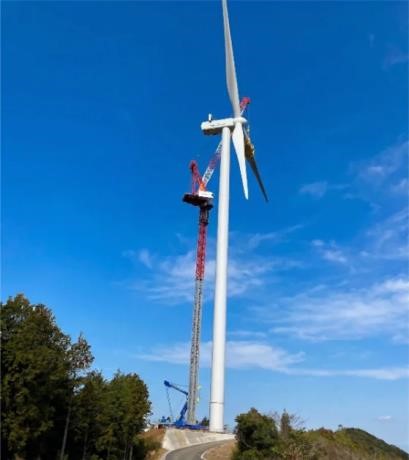
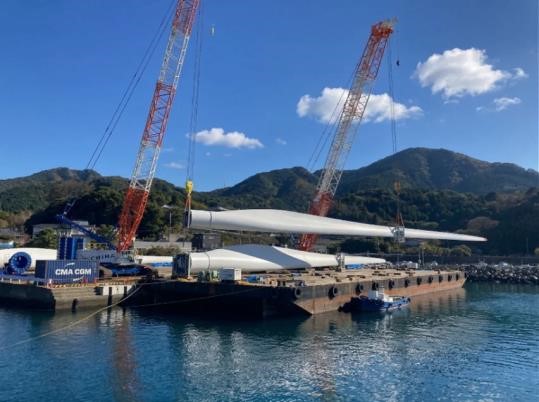
- Tokyo Gas signed a 25-year PPA with Reihoku Wind, a firm backed by Renova, to buy all electricity and environmental attributes generated by the Reihoku–Amakusa Onshore Wind Farm in Kumamoto Pref.
- The wind farm will have a 54.6 MW capacity, generate an estimated 109 GWh/ year, and is scheduled to begin commercial operation in FY2027.
- The deal is part of the capital and business alliance formed between Tokyo Gas and Renova in April 2024. Tokyo Gas seeks to diversify its renewables portfolio.
J-Power begins 10-year retrofit of 350 MW Sakuma hydropower plant
(Company statement, July 6)
- J-Power began modernization of the 70-year-old Sakuma Hydropower Plant in Shizuoka Pref, one of the company’s largest hydroelectric facilities.
- The retrofit will replace aging turbines, generators, transformers, control systems, and plant buildings with high-efficiency equipment.
- The firm will increase the plant’s generating capacity from 350 MW to 400 MW and raise annual electricity output by some 55 GWh through improved water utilization.
- The project is scheduled for completion in 2035.
- TAKEAWAY: The Sakuma plant plays a strategic role in Japan’s power system by connecting the country’s 50 Hz and 60 Hz electricity grids, enabling power transfers between eastern and western Japan. Hydropower upgrades are an important, though often overlooked, component of Japan’s energy transition. Utilities are upgrading aging hydroelectric plants, many built between the 1950s and 1970s, to extend their operational life and improve performance. With limited opportunities for new dam construction due to site constraints, high costs, and environmental considerations, modernizing existing facilities is a practical solution. These upgrades not only increase efficiency and generate capacity but also strengthen resilience against increasingly severe rainfall and flooding.
Japanese consortium launches demo of small-scale FAWT
(Company statement, July 8)
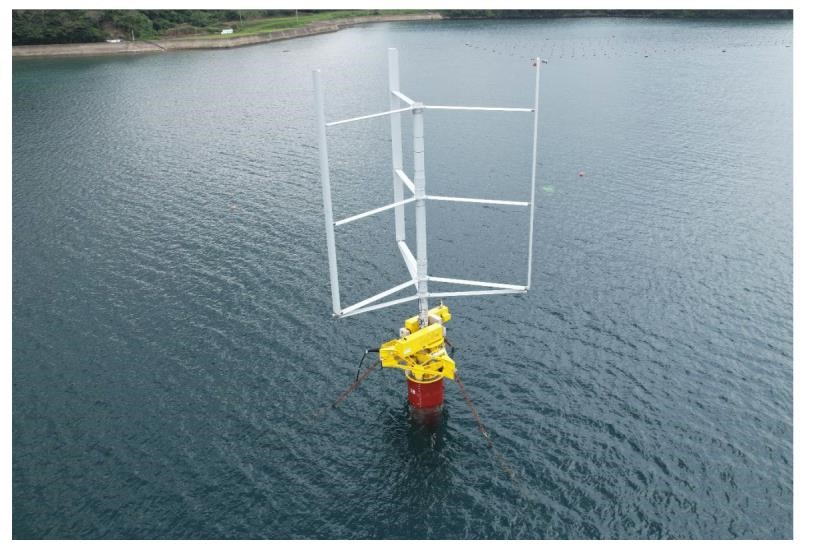
- A consortium of six Japanese companies launched the offshore demo of a small-scale Floating Axis Wind Turbine (FAWT), a milestone in developing next-gen floating offshore wind tech.
- The demo aims to validate the turbine’s performance under real offshore conditions.
- The consortium – J-Power, TEPCO HD, Chubu Electric, K Line, Sumitomo Heavy Industries, and Albatross Technology – installed a 20 kW prototype in the waters off Iki City, Nagasaki Pref; the test will run for a year.
- The prototype features a 9.3 m vertical-axis rotor mounted on a rotating cylindrical floating platform and secured by a three-point mooring system.
- TAKEAWAY: The project is intended to lower costs through a simpler structure, with components manufactured domestically. Installation methods do not require large cranes. The consortium believes this could help develop a domestic supply chain.
Tokyo Ohka adopts geothermal corporate PPA for semiconductor plants
(Company statement, July 8)
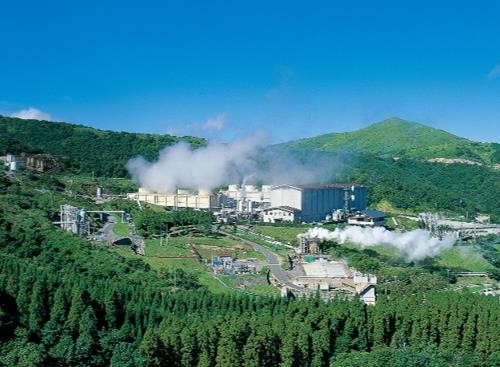
- Tokyo Ohka Kogyo (TOK), a semiconductor materials manufacturer, signed an off-site corporate PPA with Kyuden Mirai Energy to procure geothermal power for two production facilities in Kumamoto Pref.
- Electricity from four geothermal power plants operated by Kyuden Mirai Energy will cover 50% of annual electricity demand at the Aso Plant and Aso Kumamoto Site.
- SIDE DEVELOPMENT:
- Digital Grid to supply environmental value derived from geothermal energy
- (Company statement, July 10)
- Digital Grid began supplying environmental value generated by the Waita 2 geothermal power plant to NTT Anode Energy, Higo Bank, and Japan Semiconductor under a 15-year agreement.
- It also trades the plant’s electricity on the JEPX.
- TAKEAWAY: Geothermal power provides stable, 24-hour renewable power with a capacity factor of 82%, much higher than most other renewable technology, making it a good match for energy-intensive manufacturing like the semiconductor industry.
Furusato Thermoelectric allots new shares to invest in geothermal energy
(Company statement, June 30)
- Furusato Thermoelectric executed a third-party allotment of new shares.
- The investment is expected to support the company’s expansion in Kumamoto Pref, which aims to increase its geothermal and hot spring power generation capacity from the current 15 MW to 40 MW by 2030.
NEWS: NUCLEAR ENERGY

Japan, South Korea and U.S. ink deal on SMRs
(Japan NRG, July 8)
- On the sidelines of the NATO summit the foreign ministers of South Korea, Japan, and the U.S. agreed to cooperate on SMRs.
- The deal commits the countries to offer energy solutions to meet demand in the Asia-Pacific region and beyond.
- CONTEXT: As far as SMRs, Japan is active overseas and not domestically. It is investing in the BWRX300 SMR projects (Tennessee and Alabama) via Hitachi-GE, IHI, and JSW. In March, it also inked MoCs with Indonesia and Singapore for future SMR frameworks.
- TAKEAWAY: Japan’s advanced nuclear technology is developing overseas because the domestic environment isn’t ready to support new reactors at home. METI has deployment timelines that stretch into the 2040s and 2050s for new nuclear tech. This means that such technologies are too nascent for Japan’s immediate energy security. Foreign cooperation allows Japanese firms to gain experience, revenue, and regulatory credibility abroad. None of these advanced reactor designs have been deployed to a scale that can underpin the govt’s domestic energy strategy.
- SIDE DEVELOPMENT:
- Hitachi Energy and Blykalla to cooperate on AMRs
- (Company statement, July 6)
- Hitachi Energy and Blykalla (Sweden) signed an MoU on Lead-Cooled Advanced Modular Reactors (AMRs).
- They’ll aim to optimize electrical systems and grid connections for the new reactors.
- They will pitch solutions to energy-intensive industries and data centers.
Innovation Party calls to maximize use of nuclear power
(Denki Shimbun, July 10)
- Nippon Ishin no Kai (Japanese Innovation Party) proposed more focus on developing nuclear power. The party argues that placing a uniform year limit on the operational lifespan of nuclear power plants is “unreasonable”.
- Such a limit is now set at a 60-year cap. The party proposes regular inspections should determine whether a reactor is safe to continue operating, and also proposed to shorten safety review periods, which are mandatory to restart offline reactors.
- The party also wants quicker development of next-gen reactors and nuclear fusion.
- TAKEAWAY: For more on this topic, see the Analysis section of the July 6 issue.
NEWS: TRADITIONAL FUELS

INPEX agree with ADNOC for LNG from Ruwais project
(Company statement, Japan NRG, July 7)
- INPEX’s Singaporean subsidiary signed a long-term deal with ADNOC Ruwais LNG, a subsidiary of ADNOC (Abu Dhabi).
- By the end of the decade, the company will start buying up to 1 Mtpa for 15 years.
- CONTEXT: Ruwais launches in 2028, with planned production of 9.6 Mtpa. Mitsui holds a 10% stake. About 90% of future output is committed already.
- TAKEAWAY: INPEX is shifting from oil to LNG, already buying the fuel from the U.S. and Australia. But, this is its first long-term purchase of LNG from the Middle East, coming at a time when the fate of the Persian Gulf is uncertain.
Japanese firms eager to buy LNG from new facility on Mexico’s west coast
(Company statement, Japan NRG, July 9)
- LNG exports began from Mexico’s Pacific coast to Asia. Mitsui & Co. aims to secure LNG from the facility, which launched in June.
- CONTEXT: The Energia Costa Azul (ECA) LNG terminal in Baja California is operated by Sempra Infrastructure and TotalEnergies. This is the very first LNG export terminal on Mexico’s Pacific Coast. Anticipated production is 3.25 Mtpa.
- LNG is sourced from fields in Texas and New Mexico, and then liquefied at ECA.
- TAKEAWAY: The new Mexican supply route offers a strategic alternative for Asian buyers. Pacific crossing from Mexico’s coast is shorter than traditional routes via the Panama Canal, reducing both shipping times and transportation costs. It could also be enhancing supply stability for Japan, South Korea, and other Asian allies of the U.S.
LPG prices drop as third oil tanker passes the Strait of Hormuz
(Japan NRG, July 10)
- LPG prices for July shipments to Japan are down over 20%, the first price reduction in eight months. Saudi Aramco lowered the price of propane by 24% (to $580 per ton) and butane by 27% (to $600 per ton). This is the largest MoM drop since the COVID pandemic reduced global demand in 2020.
- Japan imports most of its LPG from the U.S., but import prices still hit record highs because countries moving away from Middle Eastern LPG have created a spike in demand for U.S. supplies. Now, with U.S. spot prices falling, Japanese wholesale prices are dropping as well.
Marubeni sells stake in Gulf of Mexico oil asset
(Company statement, July 8)
- Marubeni sold its 12.5% minority stake in the Big Foot oil and gas field in the U.S. Gulf of Mexico, 360 km south of New Orleans.
- Reportedly, the buyer is a Middle Eastern energy firm.
- Big Foot is a deepwater project operated by Chevron since 2018.
- TAKEAWAY: Marubeni plans to invest ¥200 billion into high-growth resource projects by March 2028. The divestment is part of the firm’s mid-term strategy to recycle capital and shift investment toward building its natural gas value chain in North America following its acquisition of EagleRidge Energy last month.
Alinta Energy inks deal with LNG Japan Corp
(Company statement, July 8)
- Alinta Energy signed a gas supply deal with LNG Japan Corp to buy over 30 petajoules of gas, bolstering its long-term energy portfolio in Western Australia.
- The deal will help Alinta to provide energy to WA households and businesses.
LNG stocks up over previous week, up YoY
(Government data, July 8)
- As of July 5, the LNG stocks of 10 power utilities were 2.33 Mt, up 16.5% from the previous week (2 Mt), up 32.4% from end July 2025 (1.76 Mt), and up 14.2% from the 5-year average (2.04 Mt).
JOGMEC, JAPEX launch oil and gas survey in Sumatra
(Organization statement, July 8)
- JOGMEC agreed with Padjadjaran University (Indonesia) and JAPEX to conduct geological and geophysical surveys in onshore and offshore areas of north Sumatra.
- The study will assess the region’s oil and gas potential and is intended to encourage greater participation by Japanese companies in Indonesia’s upstream energy sector.
- CONTEXT: Northern Sumatra has much potential for new oil and gas discoveries. The project combines JOGMEC’s resource development expertise with local academic knowledge and industry participation.
- TAKEAWAY: The initiative supports Japan’s efforts to strengthen long-term energy security by identifying new overseas hydrocarbon resources and expanding opportunities for Japanese firms in strategic energy markets.
NEWS: CARBON CAPTURE & SYNTHETIC FUELS

METI discusses methods to factor ETS costs and revenues
(Government statement, July 7)
- METI released information on its discussions about further shaping the Emission Trading System (ETS) and how this will impact major corporations.
- CONTEXT: Japan’s GX-ETS (Green Transformation Emissions Trading System) is the country’s national carbon market. Following a voluntary pilot, Phase 2 went into effect in April. The ETS will be mandatory for businesses with annual CO2 emissions of 100,000 tons or more. The start of ETS trading is planned for autumn FY2027. The first allocation in FY2027 will cover allowances for both FY2026 and FY2027.
- Benchmarks for these allowances are set by fuel type to ensure stable energy supply, but they’ll go towards a uniform “all-thermal standard” by 2033, when paid auctions for the power generation sector will be introduced. Power generators will have to buy allowances for their emissions.
- A main challenge is how to factor ETS costs and revenues into wholesale electricity trading. Spot market rules generally need dominant businesses to bid based on marginal costs, but the ETS introduces new cost variables.
- A first approach is to calculate costs and revenues based on the power generator’s compliance status as a business entity.
- Another approach focuses on the marginal cost of each specific power generation unit. Costs or revenues are determined by the gap between a single unit’s emission intensity and its applicable benchmark.
- TAKEAWAY: Both of the two approaches under consideration for factoring the costs and revenues of the ETS have pros and cons. The first one aligns well with the fundamental design of the ETS and accounting frameworks, but it challenges the industry practice of calculating costs per power generation unit. The second one takes into account the singular unit, but it may conflict with the ETS’s overarching intent and accounting rules.
Metropolitan CCS starts drilling well in Chiba
(Company statement, July 7)
- Metropolitan CCS began drilling the Kujukuri-Oki J-1 well off the coast of Chiba.
- This is the project’s first appraisal well, and it seeks to confirm suitable geological formations for CO2 storage.
- A second appraisal well (J-2) is planned. Data from both will be used to assess the area’s capacity for safe, long-term underground CO2 storage.
- CONTEXT: Metropolitan CCS is a JV between INPEX and Kanto Natural Gas Development. The project plans to capture CO2 from industrial sources such as Nippon Steel’s Kimitsu Area and other Keiyo Industrial Complex facilities. The CO2 will then be transported via pipeline and stored offshore. Operation start is targeted by the early 2030s under a JOGMEC program.
Japan GX Group launches LCA and carbon footprint support service
(Company statement, July 7)
- Japan GX Group, a carbon management firm, launched a consulting service that helps manufacturers calculate product-level lifecycle assessments (LCA) and carbon footprints (CFP), identify emissions hotspots across supply chains, and integrate the results into sustainability reporting and business strategy.
- The service also quantifies the environmental benefits of remanufactured and recycled components, enabling companies to show CO2 reductions to customers, support ESG disclosures, and strengthen bids.
- CONTEXT: Demand for product-level emissions data is increasing as global customers and disclosure frameworks such as ISSB and Japan’s SSBJ require greater transparency across supply chains.
- TAKEAWAY: The announcement reflects a shift from measuring company-wide emissions to tracking emissions at the product level. LCA-based services are expected to play a growing role in Japan’s manufacturing and GX transition as carbon footprint data becomes more important for procurement, exports and sustainability reporting.
Takenaka and RITE develop future electricity CO2 emissions forecasting tool
(Company statement, June 29)
- Takenaka Corp, one of Japan’s five largest general contractors, and the Research Institute of Innovative Technology for the Earth (RITE), developed C.FACTOR, a tool that projects changes in electricity CO2 emission factors through 2100.
- Based on three decarbonization scenarios (High-emissions, intermediate, and Paris Agreement-aligned), it enables more accurate whole-life carbon assessments by accounting for how electricity’s carbon intensity is expected to decline over time.
- Takenaka will use the tool to support clients in planning new buildings based on expected grid decarbonization rather than current emission factors alone.
- TAKEAWAY: As Japan’s electricity mix becomes less carbon-intensive, tools like C.FACTOR will improve the accuracy of lifecycle emissions assessments and influence investment decisions in low-carbon buildings. The model reflects the importance of forecasting grid decarbonization when evaluating construction materials, energy efficiency measures, and long-term decarbonization strategies.
ENEOS imports vegetable oil-based biofuel for its Yokohama refinery
(Company statement, July 3)
- ENEOS imported hydrotreated vegetable oil (HVO) by tanker to its Negishi refinery in Yokohama, and will market its environmental value under a book-and-claim model.
- CONTEXT: Book-and-claim is a mechanism that decouples the environmental value of products derived from low-carbon feedstocks from the physical fuel itself, tracking that value through records and transferring it to customers as environmental attributes.
- SIDE DEVELOPMENT:
- Euglena supplies biofuel to delivery trucks
- (Company statement, July 7)
- Euglena began supplying its “Susteo 51” fuel (a blend containing 51% HVO) to delivery trucks operated by Nexus-Shinozaki Transport & Logistics.
- CONTEXT: Since more than half of the fuel is bio-based, vehicles using Susteo 51 can be classified as using “non-fossil energy”.
- TAKEAWAY: ENEOS selected HVO for its high compatibility with existing infrastructure and equipment, including storage tanks where it can be blended with conventional fuels. Produced from organic waste, HVO can be blended with fossil fuels (like Euglena’s Susteo 51) or used as a pure fuel, enabling up to a 90% reduction in carbon emissions. This gives HVO a significant advantage over other biofuels such as FAME, which must be blended due to compatibility constraints with existing infrastructure.
- SIDE DEVELOPMENT:
- Mitsubishi and NYK Line to test B100 fuel on vessel
- (Company statement, June 29)
- Mitsubishi and NYK Line will launch a one-year field test using B100 on a car carrier, assessing the technical performance of Mitsubishi’s selfjector.
- CONTEXT: A selfjector is a self-cleaning centrifugal oil separator used on ships to purify fuel or lubricating oil by removing water and solid contaminants before the fuel is supplied to the engine. B100 is another biofuel that requires equipment and fueling infrastructure to be changed.
Idemitsu Kosan, Isuzu and T2 to partner on biodiesel promotion
(Company statement, July 2)
- Idemitsu Kosan agreed with Isuzu and T2 to advance use of next-gen biodiesel.
- Starting this summer, Idemitsu will supply its IRD (Idemitsu Renewable Diesel) to T2 for truck trials, while Isuzu will provide maintenance and repair services.
- The project will also allow Idemitsu to test its portable IRD fuel tank.
- TAKEAWAY: T2 specializes in autonomous driving technologies and aims to deploy Level 4 autonomous trucks capable of operating without a driver on expressways between the Kansai and Kanto regions. Level 4 automation allows a vehicle to drive without human intervention within a defined perimeter of driving. By optimizing driving patterns, autonomous driving contributes to lower fuel consumption.
ANALYSIS
BY MAGDALENA OSUMI
Designing Offshore Wind for Earthquakes: Japan’s Engineering Challenge
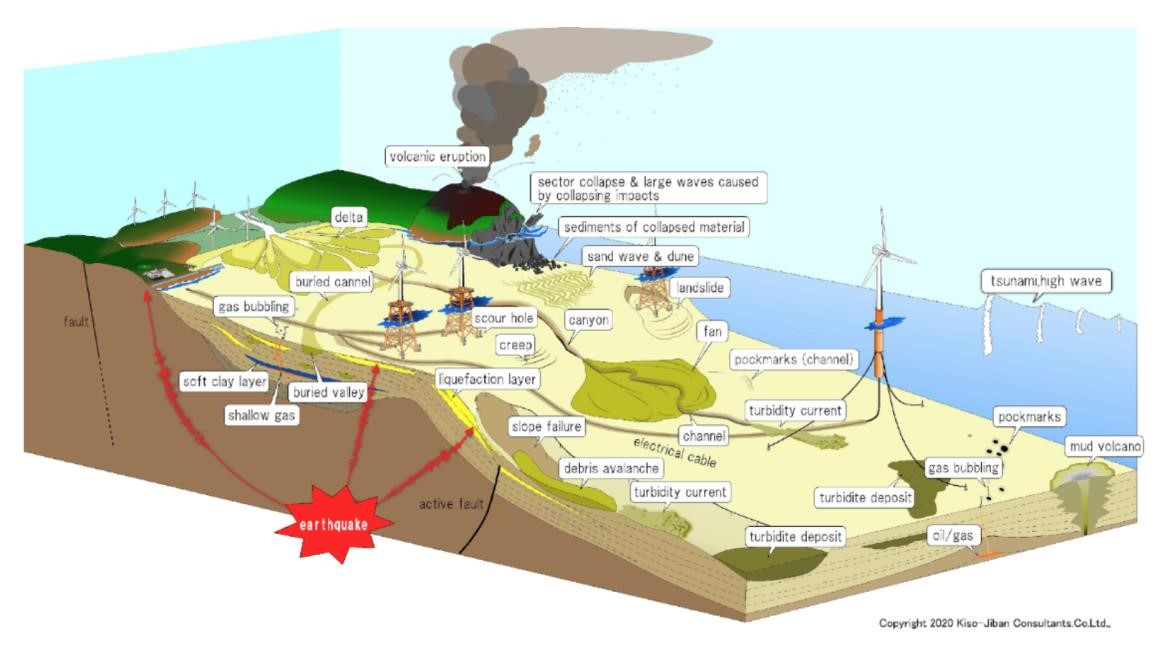
Japan sits at the intersection of four major tectonic plates, making it one of the world’s most seismically active countries. Frequent earthquakes, including megathrust events, together with widespread liquefaction risks, present engineering challenges unlike those faced by most European offshore wind markets.
For two decades, offshore wind engineering was shaped by the North Sea’s benign seismic conditions. But as investment shifts toward Japan and other Pacific markets, engineers must confront a question that European standards were never designed to answer: How to build a wind farm that can withstand both a Category 4 typhoon and a massive earthquake?
Environmental assessments in seismically active regions show that designing for wind, waves and currents alone is no longer sufficient from either an engineering or regulatory perspective. Earthquake loading and related hazards, such as soil liquefaction, must be incorporated into project design. European practices simply cannot be adopted in Japan.
The shift has prompted Norway-based DNV, a globally recognized registrar and classification society, to update its recommendations for the design of wind power plants, elevating earthquake loading from what had largely been a secondary consideration to a primary engineering and regulatory concern.
With Japan’s government targeting up to 45 GW of offshore wind capacity by 2040, the issue is urgent. Japan needs dedicated, risk-based design frameworks to address seismic hazards and ensure that projects awarded in the current auction cycle can deliver most of the planned 20–30 GW by 2040. Failure to account for seismic risks in project development could lead to significant cost increases and delays extending well beyond 2030.
European standards meet Japan’s reality
The countries of the North Sea – Denmark, Germany, the Netherlands and the UK – pioneered commercial offshore wind. The region provided a design environment for turbines that could withstand strong winds, waves, corrosion and fatigue from cyclic loading. International standards and engineering practices evolved around prioritizing aerodynamic loading, hydrodynamic forces, structural fatigue and corrosion protection. Considerations of seismic activity were absent.
Foundation concepts such as monopiles, jackets and gravity-based structures, together with international standards such as the IEC 61400 series, became optimized for environments where earthquakes were negligible. The IEC standards remain the principal international framework for wind turbine design, safety, testing and certification.
Japan began researching earthquake-resistant offshore wind structures as early as 2004. Early studies focused on seismic isolation, coupled wind-earthquake loading and vibration control, recognizing that European engineering approaches could not simply be transferred to Japanese waters.
Japanese offshore projects must withstand frequent earthquakes, widespread liquefaction risks, powerful typhoons, extreme waves and strong ocean currents. These hazards can influence both the structural response of turbines and the behavior of their foundations throughout a project’s lifetime.
As Japan moves towards commercialization of large-scale wind projects, it’s challenging one of offshore wind’s core assumptions. While European designers optimized structures against environmental loads acting from above: wind, waves and currents, the Japanese are more concerned with significant loads originating from below through seismic ground motion and liquefaction. Unlike North Sea projects, where foundation dimensions are largely governed by wind and wave loading, Japanese monopiles are expected to become larger and heavier to accommodate seismic forces.
This shift from designing primarily for atmospheric and oceanic forces to also accounting for geotechnical and seismic forces is changing how offshore wind projects are engineered, certified and financed.
| Typical North Sea design | Typical Japan design |
| Wind | Wind |
| Waves | Waves |
| Currents | Currents |
| Corrosion | Corrosion |
| Fatigue | Fatigue |
| + Earthquakes | ✓ |
| + Liquefaction | ✓ |
| + Typhoons | ✓ |
| + Seabed seismic response | ✓ |
| + Performance-based seismic certification | ✓ |
Seismic resilience is a commercial issue
The engineering differences between Japan and Europe also have significant commercial implications. As Japanese engineers must account for movement originating below the structure, the design process requires detailed assessment of soil–structure interaction, foundation damping, pile flexibility and the dynamic behavior of the entire turbine system.
In soft marine sediments, seismic shaking can temporarily reduce soil strength through liquefaction, compromising the stability of foundations even if the turbine itself remains structurally intact. This makes geotechnical investigations and site-specific seismic hazard assessments critical elements of project development.
These technical considerations increasingly influence project economics as much as engineering design. According to offshore wind consultancy Aegir, Japan’s current auction cycle represents a critical window for incorporating site-specific seismic and geotechnical considerations into project design.
Early engineering decisions determine turbine selection, foundation concepts, procurement strategies and installation methods. These early decisions have significant commercial implications. Transportation and installation alone account for roughly 12– 22% of the total lifecycle cost of floating offshore wind projects, meaning that changes to foundation concepts, installation methods or vessel requirements later in development can quickly escalate project costs.
Incorporating seismic considerations during the initial design stage therefore reduces the risk of costly redesigns, certification delays and financing uncertainty.
How recent earthquakes changed everything
Japan’s recent emphasis on seismic design is rooted in experience rather than theory.
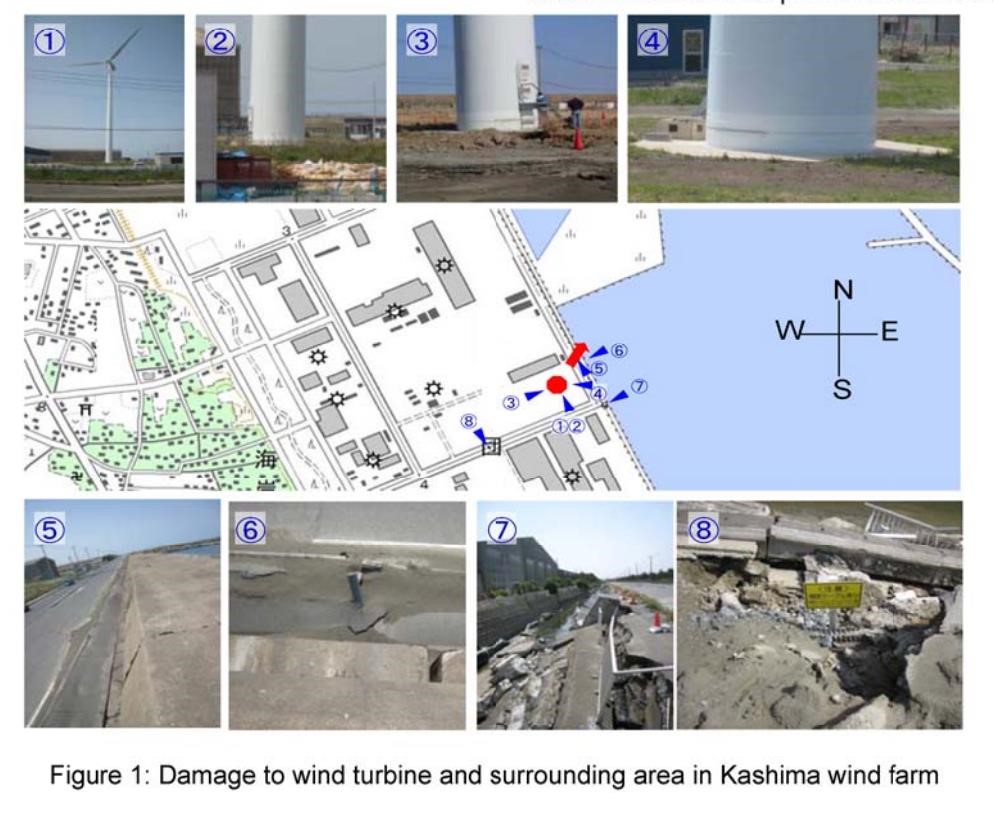
Earthquakes over the past 15 years that hit Kashima and Kugino fundamentally changed Japanese thinking on wind turbine seismic design. These events revealed shortcomings in applying conventional European wind design methods to seismic regions and spurred research into soil–structure interaction, damping and performance-based seismic design. These concepts now underpin updated international guidance such as DNV-RP-0585.
During the magnitude-9.0 Great East Japan Earthquake on March 11, 2011, one of the ten 2 MW wind turbines at the Kashima Wind Farm in Kashima, Ibaraki Prefecture, suffered significant foundation damage. While the turbine did not collapse, the reinforced concrete foundation was damaged, resulting in the tower tilting about 1.8 degree northeast. The damage was due to seismic loading on the foundation rather than failure of the tower.
An assessment showed that conventional seismic response-spectrum methods for buildings were not suited to wind turbines, which have slender flexible towers, heavy nacelles and rotors, low structural damping, and strong soil–structure interaction. Kashima showed that wind turbines require dedicated seismic design methods rather than adaptations of conventional building codes. The incident shifted attention toward soil–structure interaction, foundation flexibility, damping and dedicated seismic response spectra for wind turbines.
The magnitude-7.3 Kumamoto Earthquake in April 2016, which severely damaged a turbine at the Kugino Wind Farm in Minamiaso, Kumamoto Prefecture, intensified the conversation. It consisted of three 600 kW Enercon E40 turbines. The main shock that hit the region buckled one turbine tower, caused cracks in all of the three pile-supported foundations, causing the turbines to shut down immediately after the quake.
Investigations showed the failure resulted from a combination of strong ground motion, nonlinear soil behavior, pile-group response, soil–foundation interaction and tower dynamics. Researchers found that soil behavior, rather than the steel tower alone, largely governed the damage pattern.
Conclusion
Before these events, earthquake design focused on ensuring the tower remained strong enough. Afterwards, research shifted toward treating the entire wind turbine system as an integrated structure comprising the rotor, nacelle, tower, foundation and surrounding soil. This led to increased emphasis on soil–structure interaction and multi-hazard engineering that combines earthquake, wind and wave loading.
These lessons are now reflected in DNV’s 2026 update to DNV-RP-0585, which adds more detailed guidance on soil–structure interaction, foundation damping, seismic modelling, and Japan-specific seismic requirements, recognizing that earthquakes have become a primary design consideration as offshore wind expands into markets such as Japan.
If Japan addresses concerns surrounding earthquakes, typhoons and liquefaction, solutions developed locally could become the new benchmark for offshore wind in other seismically active markets – Taiwan, South Korea, New Zealand, Chile and the U.S. West Coast.
These lessons could become an opportunity for Japanese engineering and supply chains to become global leaders in seismic offshore wind.
ANALYSIS
BY ANDREW STATTER
Energy Jobs in Japan: A Seniority System Frustrates the Leaders of Tomorrow
Every company in every geography, across every industry, suffers from staff turnover. Among those that leave an organization, you have some that the leadership is happy to be done with; but you also have top players with key business and systemic influence walking out the door.
The challenge for major Japanese organizations is that a high number of the latter cohort are the ones who are leaving. Despite an aging population and demographic challenges, well-branded, well-respected Japanese companies are still able to attract new graduates year upon year.
Though this is changing, veterans in the business also tend to stay until close to the expiration of their business lives. It is that core middle group that sits from early 30s to early 40s that are slipping through the fingers of your large trading houses, utilities, banks, and manufacturers.
This is not a case that Japanese companies are losing more people than they are hiring or downsizing. In fact, according to The Ministry of Health, Labour and Welfare’s annual Employment Trends Survey In 2025, the attrition rate in the sector was 8.8%, which was matched almost identically with the new hiring intake levels.
The issue is we aren’t replacing like-for-like.
Tomorrow’s leaders are leaving
Japanese companies have long-established seniority systems, promotion pathways, and a development roadmap for future leadership. It takes years of grooming, training, political posturing, and nurturing for young talent to develop into a position that they can navigate and maximize the impact within the large, complex corporate machine.
These systems, with their rigidity, is a primary cause for top talent moving on. When promotion is heavily influenced by tenure, partially by internal political alignment rather than on results and merit, those who drive the strongest results tend to get frustrated.
Beyond this, the breadth of many companies’ business interests and HR development pathways is another contributing factor. The practice of job rotation or jinji ido is commonplace across all levels of many large organisations. Under this system, people generally work in rotations between three and five years, and can shift into very different business units or functions. Some multinational companies selectively do this. GE, for example, famously has commercial and operational leadership programs. These, however, are not used across the whole organization.
They are developed selectively for talent who have been identified as future leaders. There is a certain level of prestige, expectation, and career acceleration which goes hand in hand with such programs. When you apply job rotation across the whole organization, everyone’s at the same pace. Nobody gets ahead. Rather, you end up fostering a company full of generalists, which suits some people but inevitably frustrates others.
From an R&D and career focus perspective, major shifts away from strategic businesses are another major cause. Mitsubishi’s exit from offshore wind is an obvious example, but both Toshiba and Hitachi also have had similar pullbacks from nuclear investments.
Panasonic and Sharp have pulled back from solar research and manufacturing in the face of increasing competition from China, etc.
Whether an R&D pathway or an infrastructure investment focus, people get attached to the work they are doing. They are passionate about what they are creating. If that is suddenly pulled away from them and they are shuffled into something else, they become a flight risk.
Where do these people go? Options are much more abundantly available in Japan than they used to be. Though not to the scale of the U.S. or some other markets, Japan does have a growing startup and scale-up industry, illustrated by the fact that we have over 20 IPOs year to date. Multi-national companies also continue to invest and enter Japan, offering flatter organizations, faster decision-making structures and often a more meritocratic approach to career development.
Ends of the barbell remain unchanged
The allure of the large, stable Japanese company for young talent has not dulled.
Though more options are available to university graduates than previously, the likes of Mitsubishi, Hitachi, ENEOS, Toyota, etc are still top choices for young Japanese graduates at top universities. It’s commonly believed that young people join these companies for stability and the hope of lifetime employment, which is certainly a factor. More significant, however, is the long-term credibility of early career achievements in Japan.
The fact that someone has managed to enter a prestigious university and an equally prestigious company gives credibility years, even decades, after the fact. The connections built and the network value people gain from such institutions also cannot be understated.
Anecdotally, as a leader in the executive search and recruitment community, we have come across scores of mid-career Japanese professionals who have joined a large bluechip Japanese organization with the full knowledge that this was not where they were going to fit in or spend their whole career. They saw this as a strategic investment in their future. The mindset in the business community is split.
Two similar Japanese start-ups in the energy development space take differing views. Pelagos and Yotsuya Energy both always have 4-6 young interns. The former does not offer employment upon graduation, believing that young talent will be better off starting in a large, socially powerful company. Yotsuya’s leadership, however, often brings interns into the fold, believing that exposure to key decisions accelerates development faster than a narrow role in a behemoth.
At the other end of the barbell, we have the ‘lifer’ talent pool. This is generally your demographic, from late 40s to late 50s, who joined as new graduates and remain with the same company. This talent pool has a class divide. There are those who excelled in their careers and likely chose their political alignments well and are now in positions of notable power and influence. And on the other side are those who hit their glass ceiling at some stage along the way, chose not to make a mid-career exit, and now find it challenging to leave. Primary reasons for this are the seniority system in Japan, which means even top performers who hang around for a long time receive salary increases.
Secondly, beyond a certain age, there are doubts from a hiring company’s perspective that that person will be able to adjust and learn new things. Regardless of which side of the class divide this talent sits on, the retention risk is relatively low.
Why is this so impactful?
Any organization needs the energy, curiosity and creativity of youth to come up with the next ideas and drive the business forward. However, in a clearly structured, layered, seniority-based organization, that youthful energy doesn’t have enough of a platform or a voice.
The middle range that sits between early 30s and mid 40s still has the curiosity and energy to come up with new ideas. They also have the experience, maturity, and, critically, the internal credibility to be able to push forward and execute on those ideas.
That middle group is the critical bridge between the top-level executives who make the decisions in the big office and the creative power of the company’s youth. If the elite class is hollowed out from your organization, that critical bridge is built with a lower class of raw material.
Mid-career hiring boom
This is a challenge that many large organizations are recognizing and taking proactive steps towards rectifying.
According to the Teikoku database, 2026 is the first year that more listed Japanese companies plan to hire mid-career professionals than new graduates (74.6% vs 72.1%). Hitachi stands out as an obvious example, now hiring approximately a thousand midcareer hires over the course of a year, compared to 150 a decade ago. Kansai Electric’s mid-career hiring is up 33% this year compared to last year. Other large players such as ENEOS, JERA, Tokugas, and Osaka Gas all have about one third of new employees coming from mid-career recruitment.
Efforts to identify, invest in, and proactively retain top talent are also increasing. Hitachi is a headline case, with a structured global leadership development program with similarities to the aforementioned GE initiatives. It also has an Elite Future 50 program where they have identified the cream of the crop in the business, and groom them for significant leadership positions.
All major trading houses, as well as other players in the energy community such as INPEX Corp, have programs in place for top performers to take global education programs, such as overseas MBAs, either partially or fully subsidized by the company.
The market for talent is fiercer and more competitive than ever. Some companies have reacted well and are ahead of the curve, both with solid mid-career hiring programs and proactive retention initiatives.
Firms without this, however, will face a challenging position in the coming years, not only losing people but losing their best and brightest, which can only have compounding negative effects on the overall business.
Andrew Statter is a Partner at Titan GreenTech, an executive recruitment agency focused on the clean energy space.
ASIA ENERGY REVIEW
BY JOHN VAROLI
A brief overview of the region’s main energy events from the past week
Australia / CO2 battery
Victoria’s State Electricity Commission and Energy Dome (Italy) will develop the country’s first long-duration compressed CO2 energy storage facility, with a 20 MW/ 200 MWh CO2 battery that runs for 10 hours.
Australia / India partnership
Australia and India broadened their energy partnership that spans renewable energy, supply chain resilience, critical minerals, rooftop solar training and uranium exports. PM Albanese and PM Modi confirmed the agreement in Melbourne on July 9.
China / Carbon emissions
China approved a plan to achieve carbon emissions peaking during the 15th Five-Year Plan (2026–2030). It aims to increase the share of renewable energy to 25% by 2030, up from 21.7% in 2025.
China / Namibia partnership
Namibia and China inked eight agreements covering energy and critical minerals. Chinese firms have invested $4.2 billion in Namibia, mostly into the metals sector.
India / Petrol exports
India is now a petrol supplier to Russia as the Ukraine war disrupts refining capacity.
India / Solar
The World Bank approved financing for solar rooftops. India committed to net zero by 2070 and aims for non-fossil-fuel-based energy to reach 60%of its power mix by 2035.
Philippines / Electricity rates
GlobalPetrolPrices data for Q1 of 2026 placed Philippine residential electricity prices at about $0.21/kWh, second in SE Asia, behind only Singapore at $0.232/ kWh.
Southeast Asia / Power generation
Investment in power generation across SE Asia is accelerating, but transmission, storage, and cross-border connectivity are the next energy challenge, says a TBH report.
South Korea / Oil
ADNOC signed a long-term energy partnership with South Korea to expand cooperation on crude supply, emergency supply and strategic crude storage.
Taiwan / Energy audit
The govt will require major energy users with contracted power capacity above 800 kw to conduct energy audits, to be completed between 2026 and 2027. The requirements expand existing obligations on about 4,900 major energy users, who must already achieve annual average electricity savings of 1% or 1.5%.
Disclaimer
This communication has been prepared for information purposes only, is confidential and may be legally privileged. This is a subscription-only service and is directed at those who have expressly asked K.K. Yuri Group or one of its representatives to be added to the mailing list. This document may not be onwardly circulated or reproduced without prior written consent from Yuri Group, which retains all copyright to the content of this report.
Yuri Group is not registered as an investment advisor in any jurisdiction. Our research and all the content express our opinions, which are generally based on available public information, field studies and own analysis. Content is limited to general comment upon general political, economic and market issues, asset classes and types of investments. The report and all of its content does not constitute a recommendation or solicitation to buy, sell, subscribe for or underwrite any product or physical commodity, or a financial instrument.
The information contained in this report is obtained from sources believed to be reliable and in good faith. No representation or warranty is made that it is accurate or complete. Opinions and views expressed are subject to change without notice, as are prices and availability, which are indicative only. There is no obligation to notify recipients of any changes to this data or to do so in the future. No responsibility is accepted for the use of or reliance on the information provided. In no circumstances will Yuri Group be liable for any indirect or direct loss, or consequential loss or damages arising from the use of, any inability to use, or any inaccuracy in the information.
K.K. Yuri Group: Hulic Ochanomizu Bldg. 3F, 2-3-11, Surugadai, Kanda, Chiyoda-ku, Tokyo, Japan, 101-0062.