
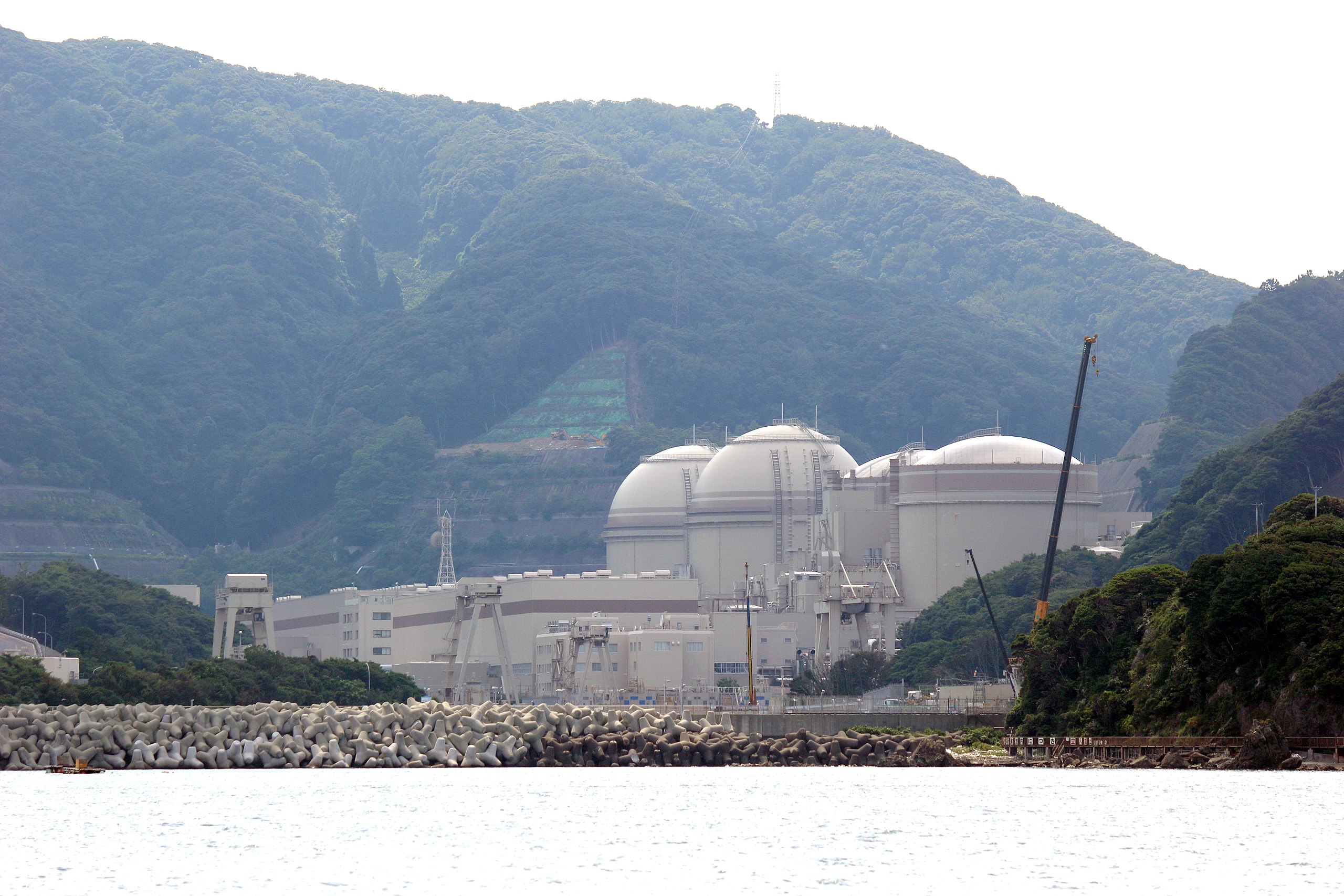
Perhaps the most fundamental issue faced by Japan’s nuclear power industry when seeking to build a new facility is a very straightforward one – Where to site it in a nation that’s almost 70% mountainous and riddled with geological fault lines?
From the point of view of science and engineering, the issue comes down to whether or not a potential site will guarantee the power plant’s safe operation under even the most extreme circumstances. From a political point of view, however, choosing a site becomes enormously challenging to manage due to the need for approval from local governments and powerful agricultural cooperatives.
Japan’s limited land space makes land acquisition for any major infrastructure project a considerable political challenge, involving many stakeholders. Given its complex postwar history and engineering challenges, nuclear power faces an even greater set of challenges, with opposition both at a local and national level that the Fukushima disaster only exacerbated.
These sensitivities have led Japan to avoid using the more controversial tactics often deployed for large infrastructure projects to force the sale of land, such as eminent domain. Instead of coercive measures, when it comes to nuclear power, the state has developed sophisticated compensation mechanisms based on strong financial incentives for towns that host nuclear power plants. How do these processes work and how much money is at stake?