
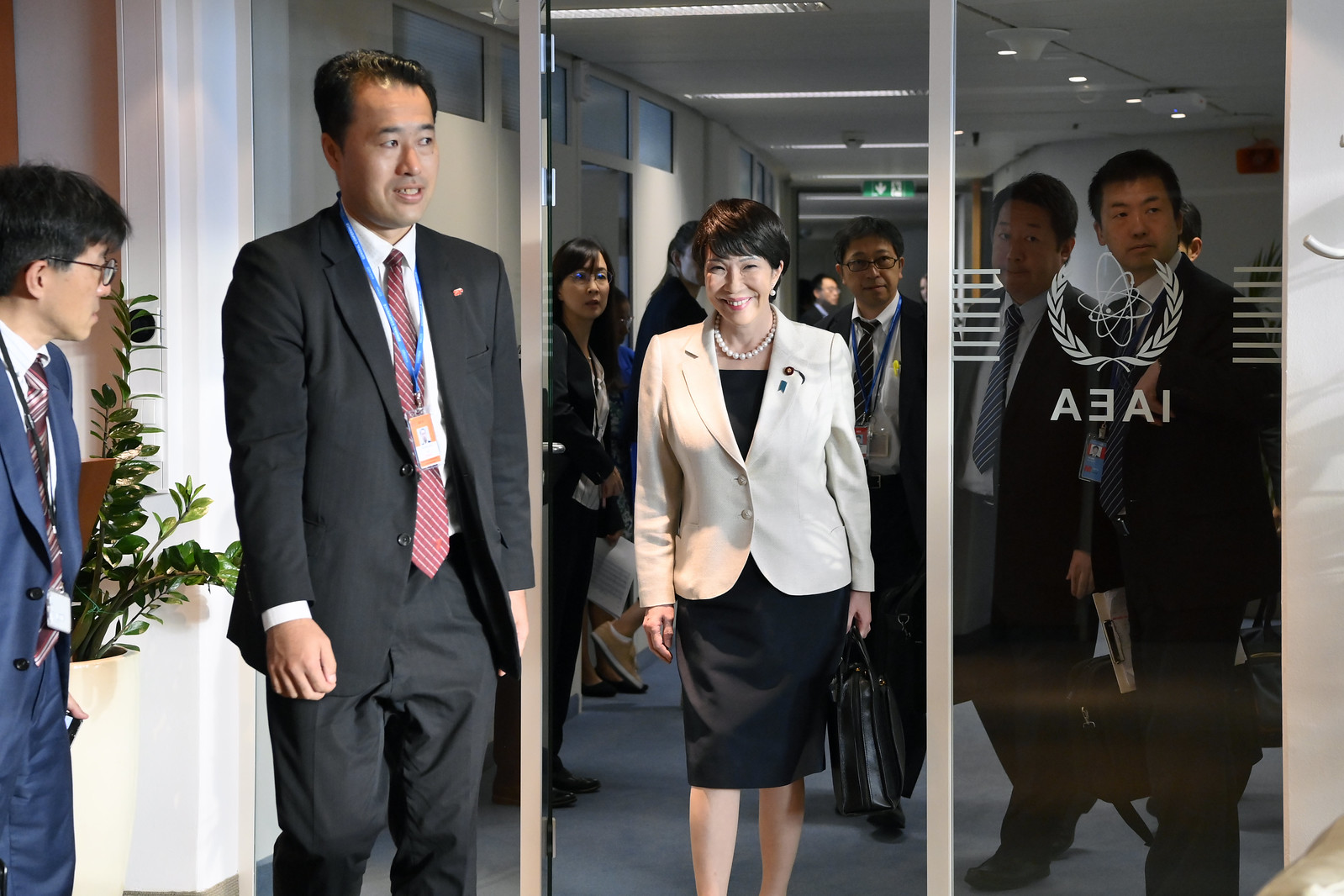
On October 4, Japan’s ruling Liberal Democratic Party (LDP) selected 64-year old Takaichi Sanae as its leader, making her the likely candidate to become the nation’s first female prime minister. This marks a historic moment for a country yet to promote women to the highest levels of political power.
Gender issues aside, what does this mean for the energy sector? Given energy’s central role in Japan’s digital modernization, and Takaichi’s own keen interest in the topic, we expect energy policy to be a major focus under her anticipated premiership. She has often spoken about the need for the energy sector to reflect national security and industrial concerns.
In practice, Takaichi is likely to deliver nuanced support for the renewables sector – one that places emphasis on home-grown tech and regional integration. She’s also likely to prove a staunch nuclear power backer, contrasting with the ambivalence of outgoing PM Ishiba. That pro-nuclear stance is further assured via Takaichi’s close ties to veteran power brokers such as Aso Taro, but will surely bump against regional resistance to reactor restarts.

How much of Takaichi’s grand energy vision can filter into reality is unclear. The LDP holds only a minority of seats in the Diet, and Takaichi will need to rely on other parties’ support to enact policies, especially after coalition partner Komeito announced its exit from the 26-year arrangement. This also makes Takaichi, should she become PM, even more reliant on support from elders like Aso, who helped her secure the leadership win.