BY FILIPPO PEDRETTI
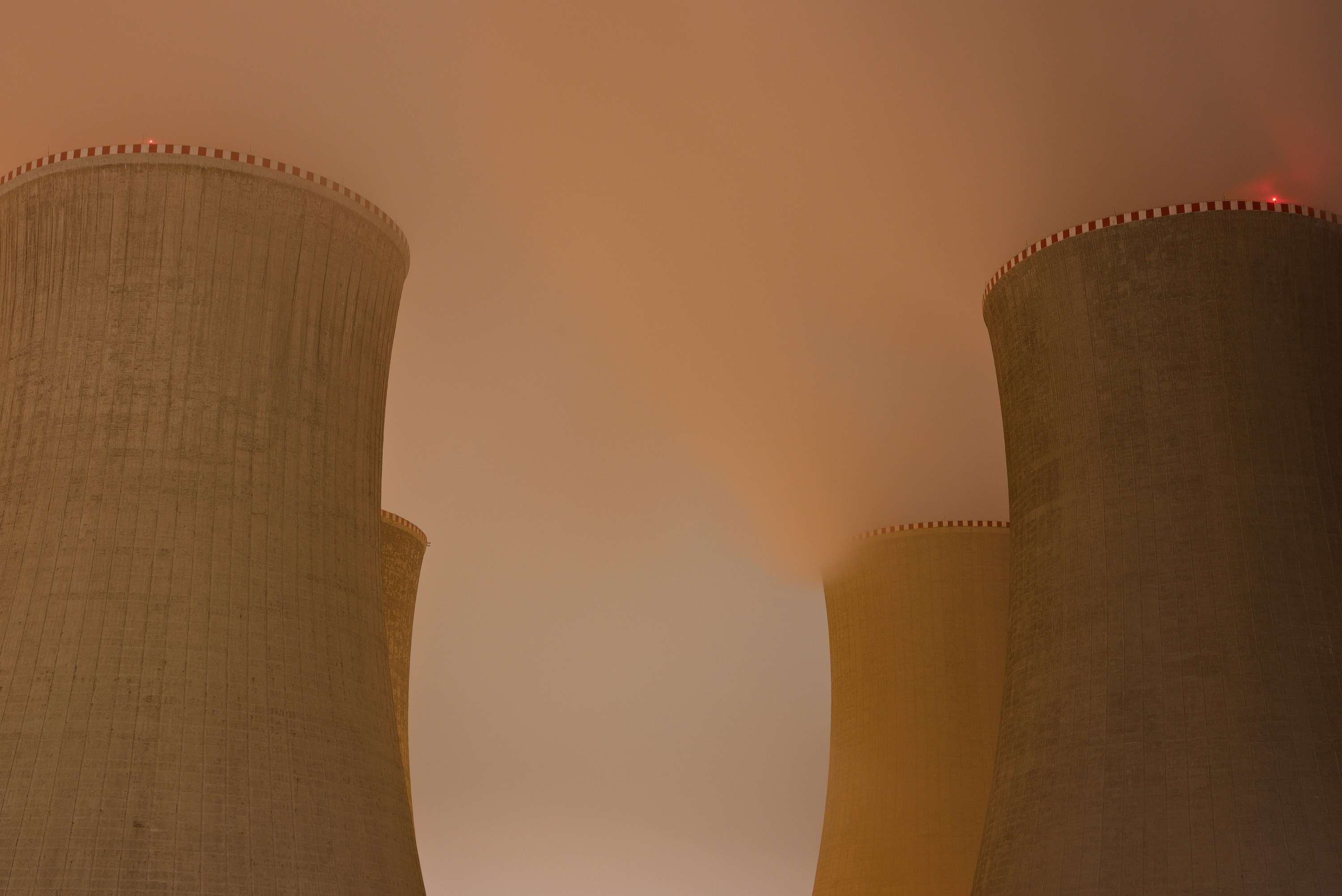
Almost nine years after receiving initial regulatory approval, Tokyo-based utility TEPCO was expected this week to bring its only remaining nuclear facility back into commercial operation. The restart of Unit 6 at the Kashiwazaki-Kariwa nuclear power plant would mark the company’s first since the 2011 disaster at Fukushima Daiichi – also a TEPCO facility – froze Japan’s entire nuclear sector.
That timeline has already slipped. On March 14, TEPCO disconnected the generator at Unit 6 from the grid after an alarm indicated a minor ground fault. The reactor itself was not shut down, but output was reduced while TEPCO investigated. The incident is unlikely to affect reactor safety, yet it illustrates how even small issues can delay the carefully choreographed nuclear restart program.
Kashiwazaki-Kariwa’s return, along with other planned restarts such as Unit 3 at the Tomari plant, forms part of a broader national push to raise nuclear’s share of the power mix from roughly 9% today to 20% by 2030. Achieving that target will require significant state support and spending. Luckily, Prime Minister Takaichi’s administration appears happy to oblige.
The government wants to maximize nuclear generation as Japan scrambles to accelerate decarbonization, meet rising electricity demand driven by the AI boom, and reduce dependence on energy imports from the Middle East.
Yet the road to a nuclear revival may not be smooth. Last month, Chubu Electric admitted to systemic falsification of seismic data at its Hamaoka nuclear power plant, reigniting concerns over the governance and reliability of Japan’s nuclear operators.
The scandal comes just as policymakers hoped the industry was finally moving beyond the shadow of Fukushima. The scale of the reputational damage remains uncertain, but the burden now falls on both utilities and the government to rebuild trust among local communities, whose support will be essential if further restarts are to proceed.