BY FILIPPO PEDRETTI
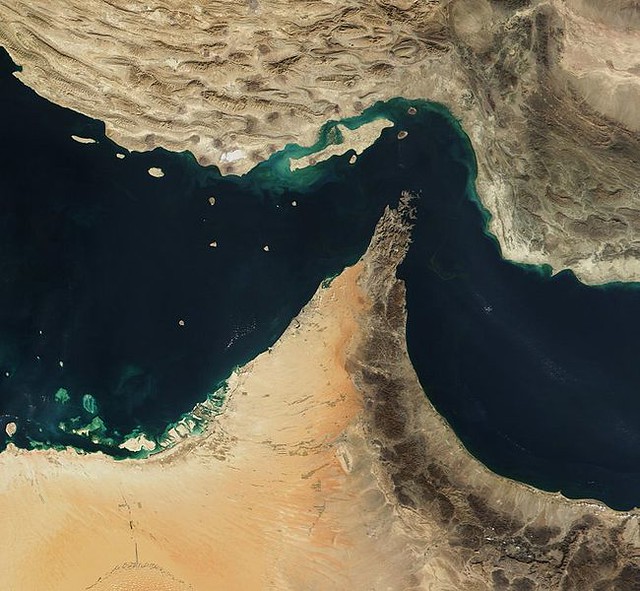
Whether the conflict in the Persian Gulf is over, merely paused, or continuing under another form remains unclear. What is certain is that Japan will face lasting consequences.
The country’s overwhelming dependence on Middle Eastern oil is no longer tenable. The concentration of refining capacity around a narrow range of crude grades has become a strategic vulnerability. So too has a largely hands-off approach to securing upstream supply.
The lessons from the conflict, however, extend beyond oil. War in one of the most crucial regions for global supply chains for a number of crucial commodities – not just oil – has exposed vulnerabilities across the economy. Japan is still in the early stages of grappling with rising costs, supply disruptions and logistical bottlenecks.
Tokyo’s initial response has been an aggressive pivot towards petroleum imports from one of the conflict’s main participants – the U.S. But this is unlikely to be a long-term solution. There is too much at stake to allow one dependence to be replaced with another, especially with an ally that has an aggressive transactional nature.
Japan’s path forward will require more than emergency procurement. The challenge now is to build a more resilient system on top of the short-term measures adopted during the crisis.