
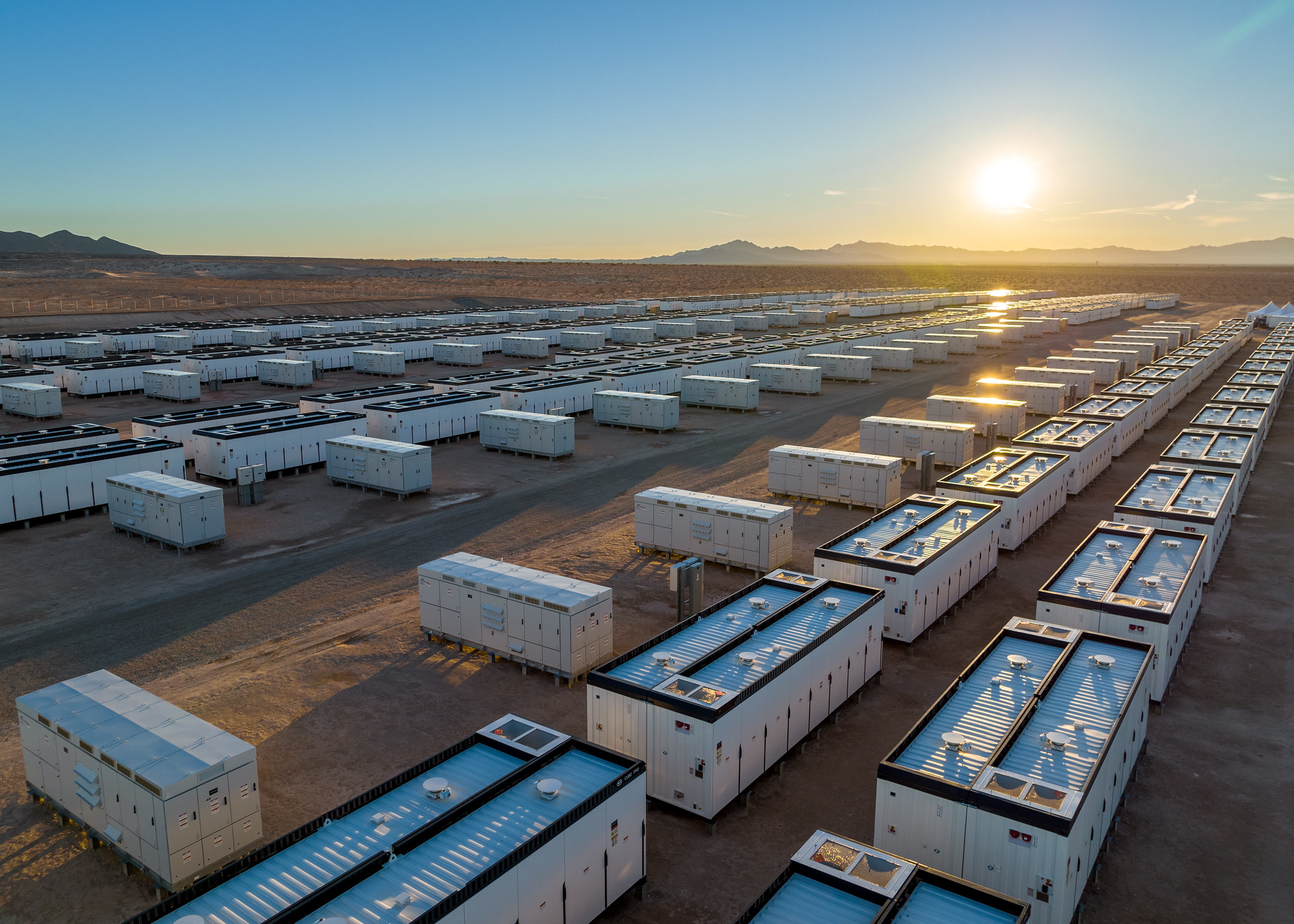
With the rapid expansion of renewable energy, battery storage is moving from a supportive niche technology to one of its central drivers. Once seen as a backup tool, battery energy storage systems (BESS) are now indispensable to balancing Japan’s energy transition, ensuring stability, and fostering greater renewable penetration.
While recent energy headlines focus on the retreat of Mitsubishi Corp from offshore wind projects, a quieter but equally consequential shift is happening — A surge in applications to connect BESS projects to the national grid. This trend reveals both the urgency of addressing Japan’s grid limitations and the growing recognition of storage as a backbone of the decarbonized energy system envisioned in government plans.
Japan’s revised 7th Basic Energy Plan, released in early 2025, envisions renewables contributing up to 50% of the national energy mix by 2040. Much of this growth is expected to come from solar and wind, both onshore and offshore. Yet Japan’s grid infrastructure remains ill-prepared for such a transformation.
Curtailments of solar power are already common, and large-scale transmission upgrades are not expected until the 2040s. In this context, the immediate need for flexible, deployable storage is driving a short-term boom in BESS projects, with the government expecting that it will lead to around 21 GW of installations by 2040.
Whether this momentum will sustain at the breakneck speed of the BESS grid applications seen today – and amid changing electricity market structures and regulations – is difficult to express in empirical terms. What is clear, however, is that storage is no longer an afterthought. It’s an essential pillar of Japan’s energy future.