
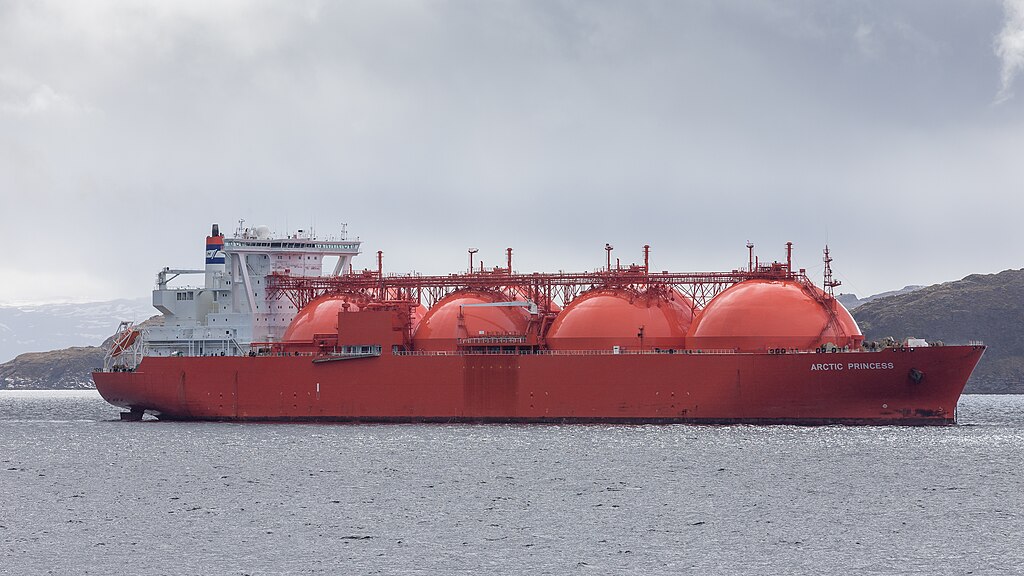
LNG is no longer just a commodity; it has become a lever of U.S. foreign policy. For Japan, wary of trade tensions with the Trump administration, that means adjusting fuel procurement plans at a time when free-trade principles among G7 allies look increasingly fragile.
To placate Washington, in early September, Japan pledged an annual $7 billion worth of additional U.S. energy purchases. The decision carried political undertones, but Japanese utilities found a commercial upside: with demand at home easing, they can resell surplus American cargoes on world markets.
That reshaping of Japan’s import mix will ripple into the 2030s, testing ties with traditional suppliers in Australia, Southeast Asia and the Middle East. Pricing dynamics may also shift, particularly if America secures Japanese capital for the $44 billion Alaska LNG project—an undertaking whose costs will almost certainly exceed its billing.
Washington is urging Japan, along with Seoul and Taipei, to bankroll the Alaska venture – which includes building a 1,300-km pipeline partly predicated on resolving local gas supply issues. Yet the mega-project’s economics are shaky, and if these falter, Asian backers will shoulder the losses.
For Japan, this deeper entanglement with U.S. gas comes at a cost. By narrowing its supply options, Tokyo risks swapping one vulnerability for another: what is sold as a step toward energy security could in time undermine it.