
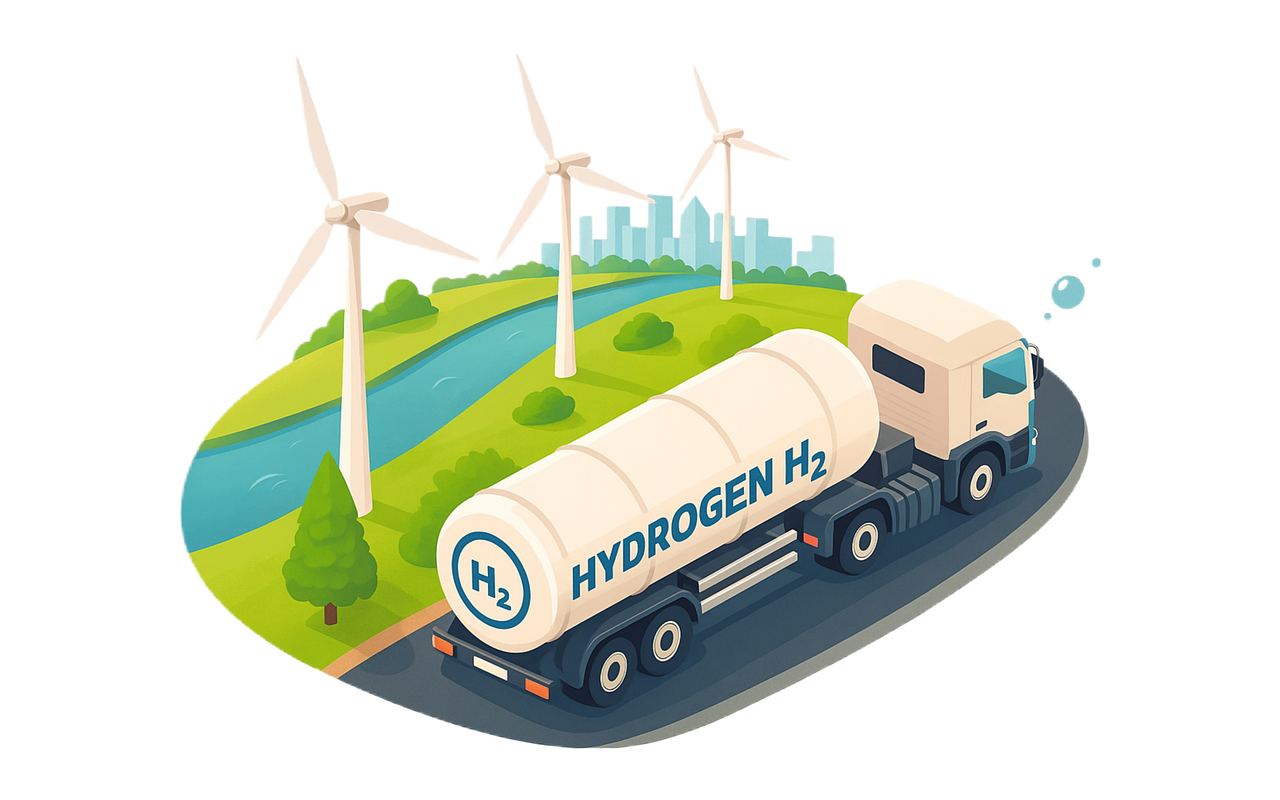
Japan has certified its first low-carbon hydrogen supply plan, approving subsidies for a project that will use wind power to produce green hydrogen through electrolysis. Led by Toyo Tsusho, Eurus Energy, Iwatani and Aichi Steel, the venture aims to make 1,600 tons a year from 2030 to help decarbonize specialty steelmaking.
Though small, the fact that the first award from the Contract for Difference (CfD) hydrogen support scheme is for a green fuel project is significant. While it’s almost certain that most of Japan’s hydrogen and ammonia consumption over the coming decade will rely on imports and cheaper blue fuels – derived from natural gas with the emissions captured – policymakers are signalling that green fuels, too, will have a role despite their high costs.
That support also dovetails with Japan’s efforts to develop domestic electrolysis technology. State-backed projects are advancing alkaline, PEM and solid oxide designs, aiming to cut costs and improve durability. The new certifications highlight why such innovation matters: only with cheaper and more efficient electrolyzers can green hydrogen compete with imported blue alternatives.
In contrast to the enthusiasm of policymakers, Japan’s potential hydrogen consumers are cautious about switching to a green fuel. Green hydrogen is often double or more the cost of the blue fuel. Meanwhile, when considered among a broader array of options, hydrogen’s energy losses during conversion weaken competitiveness with direct electrification pathways.
Advocates, however, say that hydrogen – and green hydrogen in particular – will play a major role in the decarbonization of hard-to-abate industries such as cement and steelmaking, as well as a feedstock for ammonia production. And thus the anointment of a domestic green steel project for initial CfD funds holds strategic significance. It is the first time that Tokyo has formally certified supply chains for hydrogen and ammonia.
Japan NRG takes a look at the development of the green hydrogen technologies, comparing advantages and challenges, and highlighting their potential.