
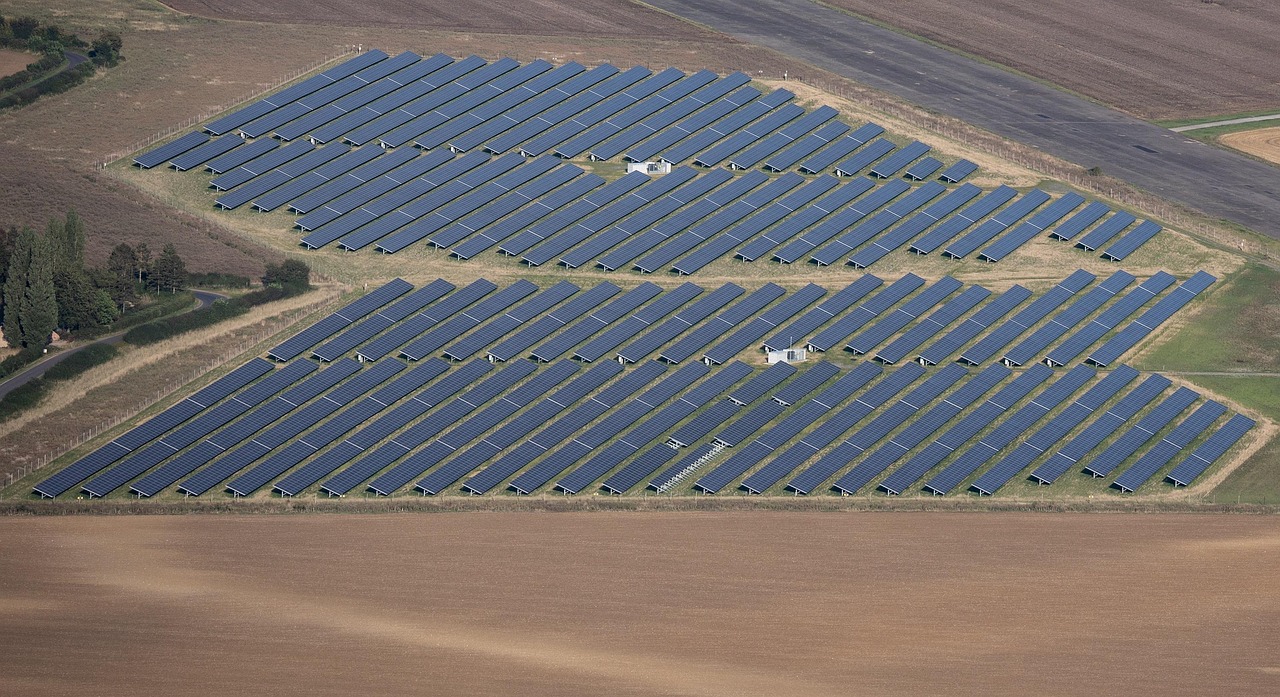
In the past two years, Japan’s business community has increased focus on the countries of Central Asia, especially Uzbekistan. A number of solar and wind investment deals have been made, high-level delegations from Tokyo have visited the region, most recently at the end of August, and plans for cooperation in a variety of industries are underway.
Energy and mining are the leading sectors of Japanese interest, since the region offers both reserves of oil and gas, as well as climatic conditions to build green energy infrastructure.
Access to the landlocked countries of Central Asia, however, is a major challenge for Japan, which has historically been a leader in sea-based transportation. This geographic fact might explain why Tokyo is moving slowly and cautiously with establishing what clearly should be mutually beneficial partnerships.
As Central Asia’s most populous country located in the region’s very heart, Uzbekistan has earned the most interest from Japan. Uzbekistan’s ambitious effort to become a leader in green forms of energy makes the country even more attractive as a partner for Tokyo.
With rapidly shrinking oil and gas deposits of its own, and importing a significant amount of energy supplies from neighbors such as Russia, Uzbekistan is betting the future of its national energy mix is green. This is where Japanese financing and technology in renewables can play a central role. At least that’s what Tashkent hopes. 𝐽𝑎𝑝𝑎𝑛 𝑁𝑅𝐺 went to Tashkent to find out how the relations between the two countries are developing, speaking with Umid Mamadaminov, Deputy Minister for Energy.