
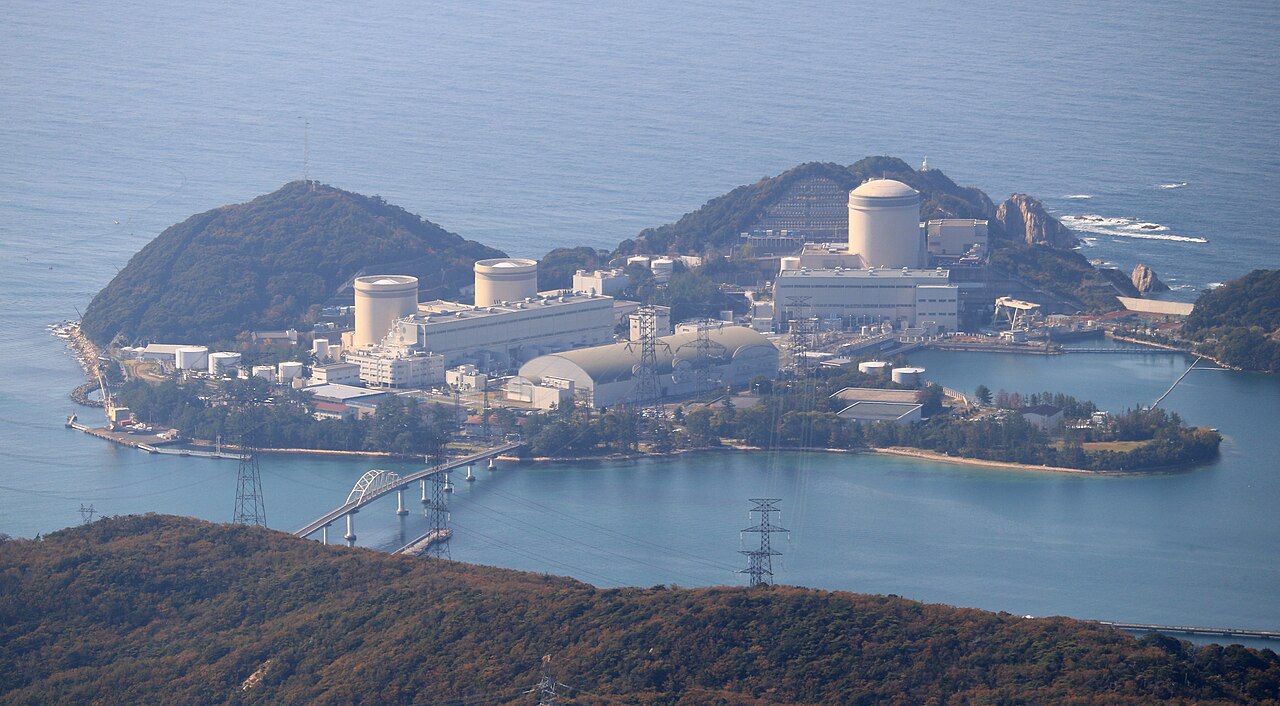
Kansai Electric (KEPCO) disclosed plans for a new nuclear power plant at the site of the existing Mihama NPP, taking the first concrete steps towards building a new reactor in Japan since the industry’s development was frozen by the Fukushima disaster in March 2011.
Although more than half of the nation’s nuclear fleet remains out of commission and talk of new reactor facilities has been virtually taboo, the energy crisis of 2022 became a watershed moment. Since then, the government and the nuclear industry have forged a consensus that new units are essential to meet both energy security and decarbonization goals. Japan’s latest energy strategy targets nuclear power to provide 20-22% of the electricity by 2040, up from the current 8-9%.
KEPCO calls Mihama the “birthplace of its nuclear power generation,” as Unit 1 in 1970 became one of the first nuclear units in Japan to begin operations. With its fleet of plants in Fukui Prefecture, KEPCO is the country’s most successful nuclear power operator. Being the first utility to build a new reactor post-Fukushima will further confirm its status.
While KEPCO can now count on the central government’s support, the road to a new reactor will be long, costly and filled with regulatory overviews, as well as marred by local resistance. But of all Japan’s utilities, KEPCO is the one best situated to pull off what a few years ago seemed like Mission Impossible.