
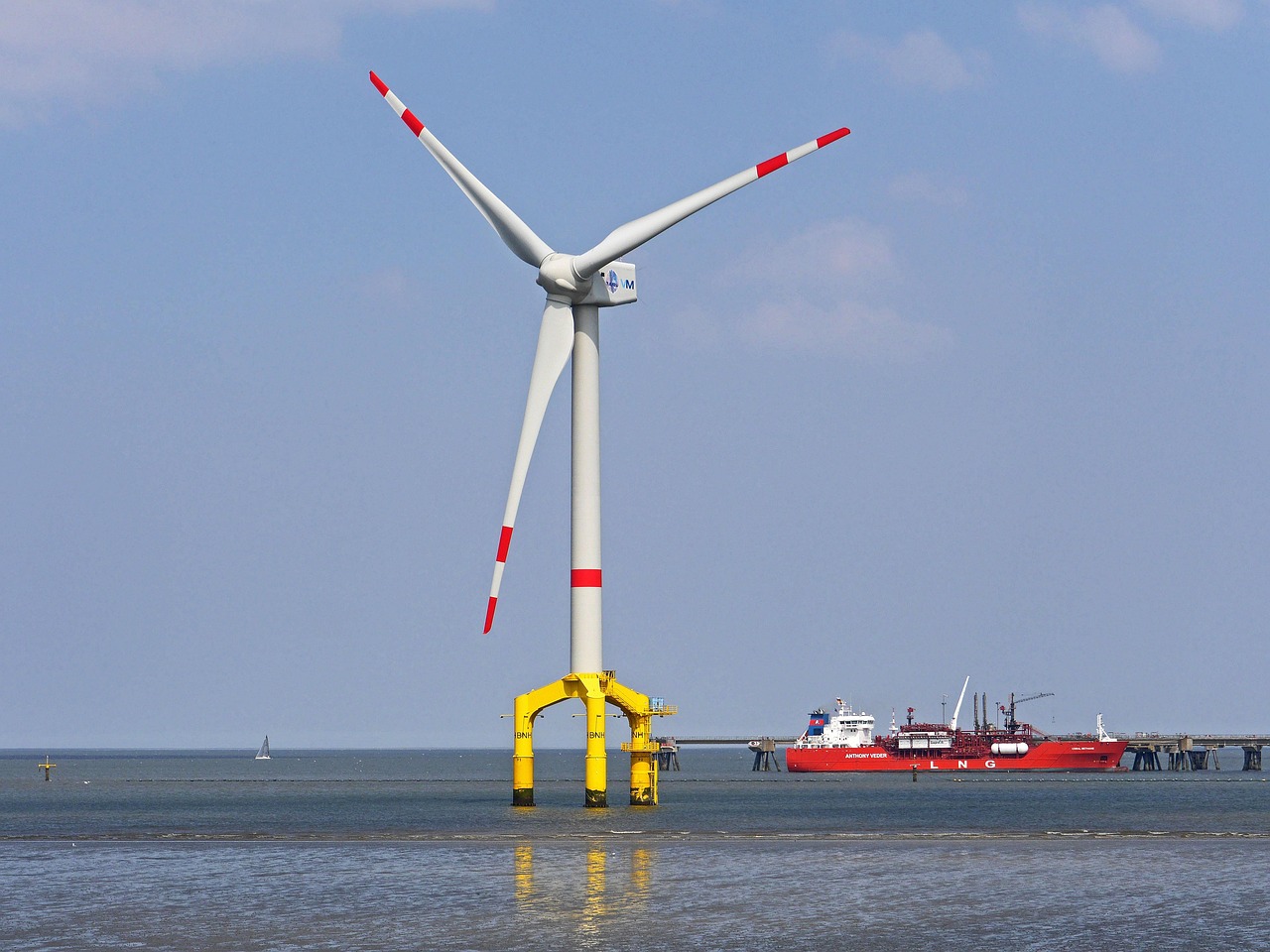
Immediately after Mitsubishi Corp announced a shock exit from Japan’s offshore wind sector METI Minister Muto vowed to re-auction the trading house’s three projects “as soon as possible,” while officials pledged measures to improve business conditions.
The ministry has a lot at stake – more than the writedowns and reputational hit taken by Mitsubishi and its partners, including Chubu Electric. Japan’s top trading house had been expected to lead the creation of an offshore wind industry that METI saw growing to 30-45 GW by 2040 – surpassing the domestic nuclear fleet’s capacity.
The three Mitsubishi-led projects, totaling 1.76 GW, were expected to pave the way to rebuild Japan’s wind power supply chain, to contribute to the aggressive CO2 cuts promised to the UN, and encourage further investment in the nascent sector. Indeed, two more auction rounds followed with three international firms joining Japanese partners to develop projects.
As the remaining offshore wind developers look on with concern, the debacle may yet have a silver lining in highlighting the need for stronger government support for the sector. METI has so far avoided making big changes to the conditions of already auctioned projects, in part fearing it would lead to higher electricity prices. But the government cannot afford further cancelations.
The sector’s future, the CO2 targets, the industrial supply chain development – as well as regional revitalization plans – are all on the line. What happens next will be critical for the struggling sector’s fate. Japan NRG reviews.