
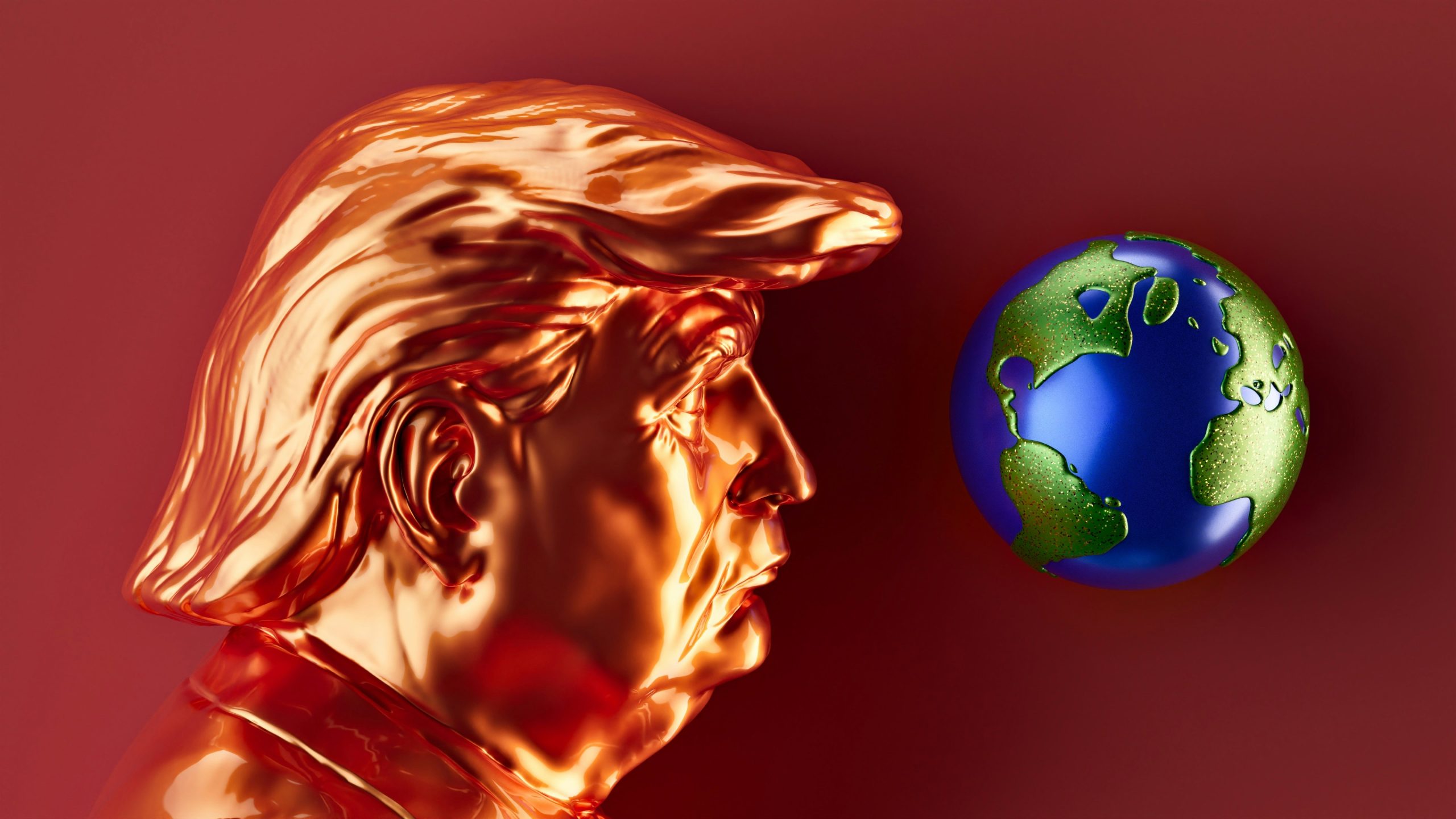
For Japan’s nuclear community, the best domestic news of last year was Niigata Governor Hanazumi Hideyo’s agreement to restart Unit 6 of TEPCO’s Kashiwazaki-Kariwa nuclear power plant. Yet far more consequential for the global nuclear industry were four executive orders issued by President Donald Trump on May 23, 2025.
These orders signaled a fundamental shift in American nuclear policy. The president pledged to quadruple U.S. nuclear power generation, reform Nuclear Regulatory Commission (NRC) safety regulations, mobilize national and defense laboratories for advanced reactor development, and promote plutonium recycling to reduce dependence on Russian enrichment services. If fully implemented, this would mark a huge change in the history of U.S. nuclear technology.
Until now, the U.S. has not pursued a commercial fuel-cycle policy in the reprocessing of spent fuel and the separation of plutonium. But rising energy-security concerns in a new geopolitical environment have pushed Washington to consider the full potential of nuclear power.
These developments are not simply about nuclear technology or climate policy. They reflect a deeper shift in global power: a growing divide between countries that derive influence from fossil-fuel production and those that seek security through electrification. Nuclear power sits at the intersection of these two worlds – providing so-called petro-states with a pathway beyond hydrocarbons, while enabling their alter ego, the electro-states, a route to electrify at GW scale.
And, where does Japan sit in this contest?