
JAPAN NRG WEEKLY
DECEMBER 21, 2020
JAPAN NRG WEEKLY
December 21, 2020
TOP
- Toyota CEO says gasoline ban will destroy auto business; Industry in chaos after Tokyo governor’s expedited gasoline-free pledge
- Environment ministry lobbies for renewables at 40% in energy mix by 2030; the govt.’s own power use to be 30% renewables next year; key energy think-tanks disagree on renewables strategy
- Toshiba eyes wind turbine business as part of $9.7b M&A spree; Co. also to heavily invest in Electric Vehicle power chips
OIL & GAS
- Petroleum group sees crude above $50; demand halving by 2040
- Saibu Gas exports LNG to China in partnership with Novatek
- TOCOM introduces 15-month petroleum futures for hedging
- Idemitsu makes offer to buy all of Toa Oil Co. unit for $147 million
POWER & NUCLEAR
- Japan power prices jump to five times the 2020 average on cold snap; consumer index falls most in 10 years on lower utility fees
- Mitsubishi under pressure over Vietnam coal-fired power project
- Kansai Electric delays restart of Takahama reactor by six weeks
- In major blow to Kansai Electric’s nuclear plans, mayor refuses to discuss the option of Mutsu waste site being used by all utilities
- TEPCO makes pledge for net-zero emissions by 2050
- Industry group plans for 12 reactors to run on plutonium by 2030
- Nuclear regulator slams court decision that challenged its powers
- Hitachi sells Enerchange stock; Hitachi ABB to test HVDC system for world’s most powerful network
RENEWABLES, OTHER
- Govt. and private firms to install 45 GW of offshore wind by 2040
- Restrictions on solar farms triple in three years; govt. to promote more lower-cost solar installations
- Japan pushes utilities to switch to hydrogen, sets 2030 targets
- Uneconomic Fukushima wind farm to be dismantled
- Mitsui E&S and Itochu team up on Ichihara biomass power plant
- Osaka Gas, DBJ to invest in solar energy projects
JAPAN’S ELECTRICITY WATCHDOG GETS NEW REMITS BUT STILL LACKS POWERS TO ENSURE COMPETITION
Discontent over recent power capacity auction, as well as this month’s surprising court decision that challenged state authority over nuclear safety, can be traced to perceived weakness at the Electricity and Gas Market Surveillance Commission (EGC). The Commission will double its range of oversight over the next year or so. However, industry insiders say that in order to promote competition the watchdog needs real clout and a willingness to act independently.
44 REASONS WHY JAPAN’S SOLAR POWER COSTS WILL HALVE WITHIN FIVE YEARS: INNOVATION
The cost of solar power in Japan was expected to drop to ¥14 per kilowatt hour (kWh) by 2020, according to government targets set in 2014. In fact, over the last year it fell as low as ¥10.5. Now, Japan’s state research institute, NEDO, has determined 44 R&D themes that it believes will bring down the cost to just ¥7 by 2025, five years earlier than forecasted. We track the themes that will push down the cost and how the use of panels will change over the next decade. Hint: think walls and water.
GLOBAL VIEW
China bans Australian coal as relations grow tense. The world’s biggest insurer will stop covering coal projects. Copper prices surge on green tech demand. And China vows to triple wind & solar capacity by 2030. See details on these and other political and business events in our regular Global View column.
GLOBAL VIEW: SPECIAL FEATURE
President-Elect Joe Biden’s energy, transportation, and Climate team will likely play a significant role in influencing Japanese energy and climate policies. We profile Biden’s new team, show who their Japanese counterparts will likely be, and what energy issues may meet with particular interest in Japan.
JAPAN NRG WEEKLY
PUBLISHER
K. K. Yuri Group
Editorial Team
Yuriy Humber (Editor-in-Chief)
Tom O’Sullivan (Japan, Middle East, Africa)
John Varoli (Americas)
Contributors
Mayumi Watanabe (Japan)
Daniel Shulman (Japan)
Damon Evans (Indonesia)
Art & Design
22 Graphics Inc.

SUBSCRIPTIONS & ADVERTISING
Japan NRG offers individual, corporate and academic subscription plans. Basic details are our website or write to subscriptions@japan-nrg.com
For marketing, advertising, or collaboration opportunities, contact sales@japan-nrg.com For all other inquiries, write to info@japan-nrg.com
Disclaimer
This communication has been prepared for information purposes only, is confidential and may be legally privileged. This is a subscription-only service and is directed at those who have expressly asked K.K. Yuri Group or one of its representatives to be added to the mailing list. This document may not be onwardly circulated or reproduced without prior written consent from Yuri Group, which retains all copyright to the content of this report.
Yuri Group is not registered as an investment advisor in any jurisdiction. Our research and all the content express our opinions, which are generally based on available public information, field studies and own analysis. Content is limited to general comment upon general political, economic and market issues, asset classes and types of investments. The report and all of its content does not constitute a recommendation or solicitation to buy, sell, subscribe for or underwrite any product or physical commodity, or a financial instrument.
The information contained in this report is obtained from sources believed to be reliable and in good faith. No representation or warranty is made that it is accurate or complete. Opinions and views expressed are subject to change without notice, as are prices and availability, which are indicative only. There is no obligation to notify recipients of any changes to this data or to do so in the future. No responsibility is accepted for the use of or reliance on the information provided. In no circumstances will Yuri Group be liable for any indirect or direct loss, or consequential loss or damages arising from the use of, any inability to use, or any inaccuracy in the information.
K.K. Yuri Group: Oonoya Building 8F, Yotsuya 1-18, Shinjuku-ku, Tokyo, Japan, 160-0004.
NEWS: OIL & GAS
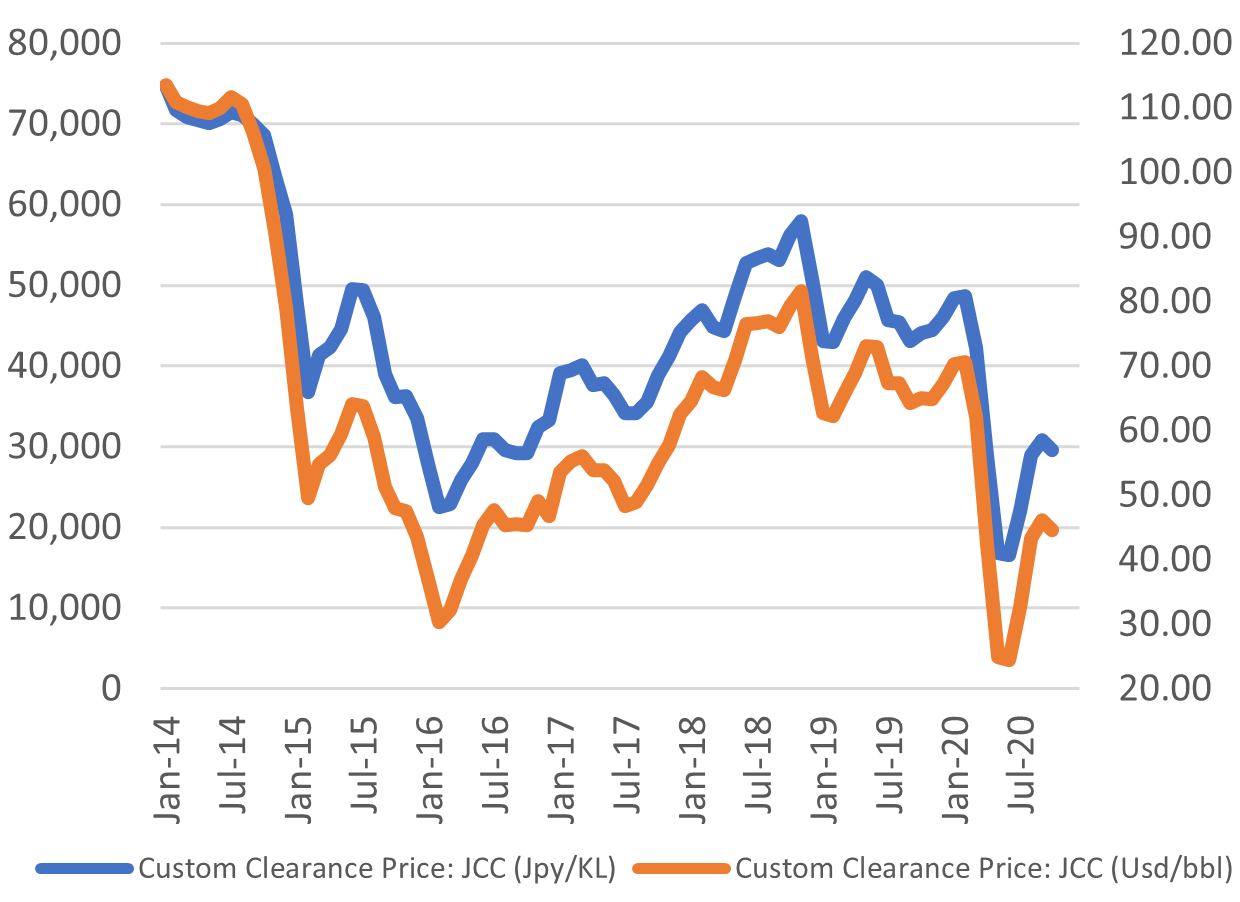
Japan Oil Price: $44.51 / barrel
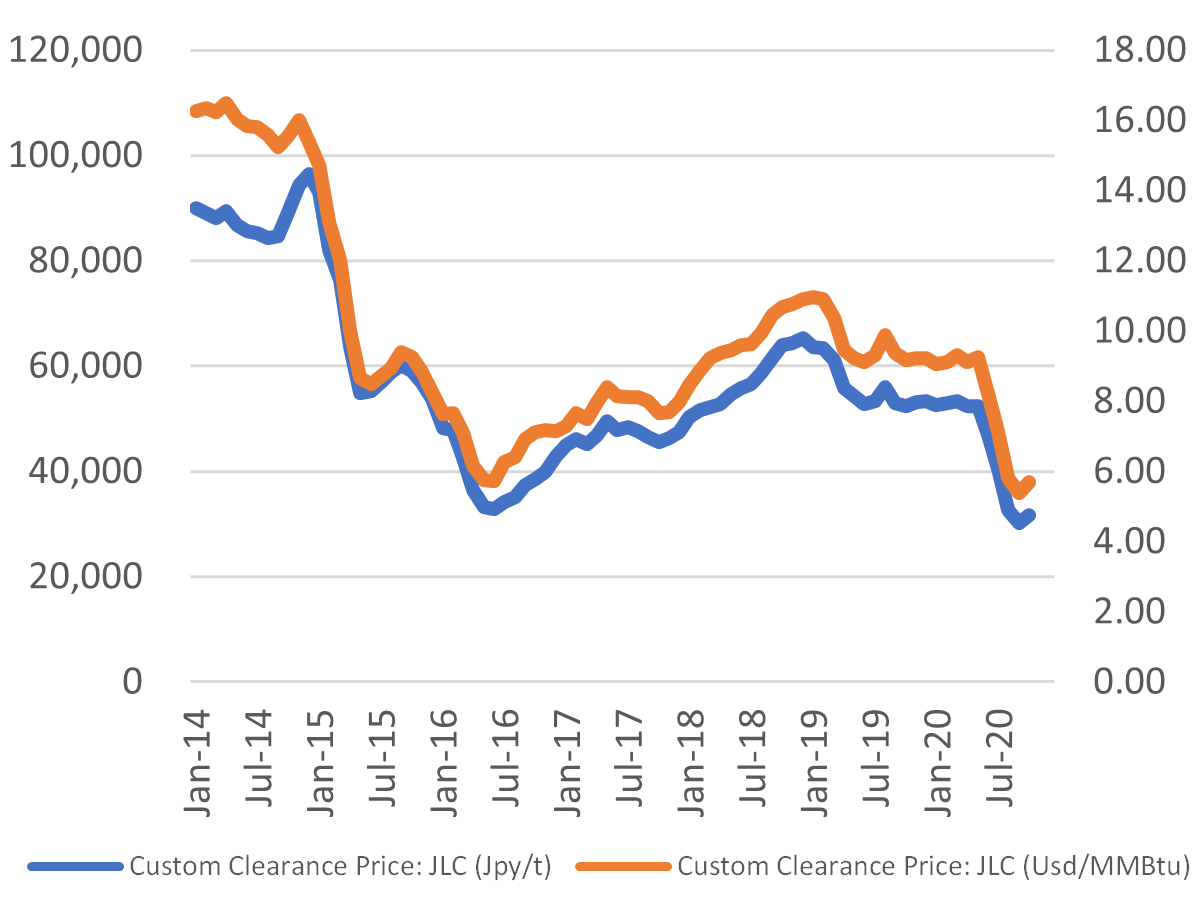
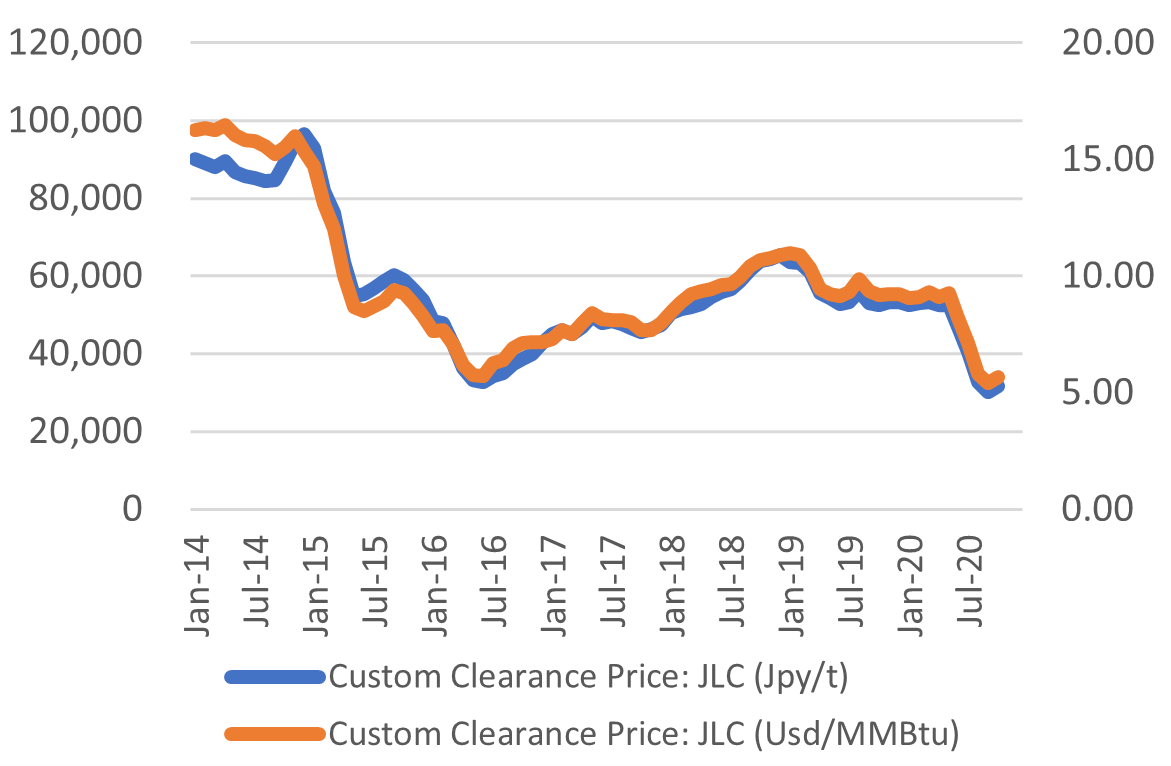
Japan (JLC) LNG Price: $5.68 per Mbtu
Toyota head says gasoline ban will destroy auto business
(Mainichi Shimbun, Dec. 17)
- Toyota CEO Toyoda Akio has expressed fears that the government’s plan to phase out gasoline-powered vehicles in the 2030s will destroy the very business model on which the auto industry is based.
- Toyoda said in an online press conference that Japan’s reliance on coal-fired power stations meant that unlike countries, such as France, transitioning to an electric fleet would not reduce Japan’s CO2 emissions.
- Toyoda pointedly suggested that the politicians calling for the abolition of petrol vehicles do not understand the issues.
- SIDE DEVELOPMENT:
Auto industry in chaos after Tokyo Governor brings forward gasoline ban
(Kuruma News, Dec. 12)- Tokyo Governor Koike Yuriko has unveiled plans to ban gasoline vehicles powered by internal combustion engines by 2030, five years ahead of the central government’s 2035 target. The governor says she is currently finalizing the details of the ban.
- With zero-emission vehicles currently accounting for only 1.6% of new car sales, the announcement has sent shockwaves through the auto industry.
- Koike has also said that she will ban conventional gasoline-powered motorcycles completely by 2035.
- It is unclear whether diesel vehicles will be covered by the ban.
Petroleum Association chair sees crude at above $50; demand halving by 2040s
(Chemical Daily, Dec. 18)
- Petroleum Association chair Sugimori Tsutomu said in a scheduled press conference on Dec. 17 that he believed the crude price would remain at slightly above $50, and attributed the recent appreciation in the price of crude to the development of the coronavirus vaccine and new economic policies in the US.
- In relation to news reports about a phase-out of gasoline vehicles in the 2030s, Sugimori said he was not surprised because he realized there was a need to transition to an electric fleet in order to become carbon neutral. He predicted that demand for gasoline would halve by the 2040s.
Saibu Gas exports LNG to China
(Nikkan Kogyo Shimbun, Dec. 16)
- Fukuoka-based Saibu Gas has begun exporting small-volume shipments of LNG to China in conjunction with partner Novatek.
- Buyers and hardware for the inaugural shipment were organized by Novatek, while Saibu handled refueling operations.
- While Novatek has limited experience with LNG transport in Asia, Saibu recently exported a shipment of LNG to the Shanghai factory of Taiwanese electronics manufacturer Hon Hai.
TOCOM introduces 15-month petroleum futures for simpler hedging
(Nikkei, Dec. 16)
- The Tokyo Commodity Exchange has allowed the trading of 15-month Dubai crude futures in an effort to make it easier for electricity investors to hedge the effects of fuel costs. (Contracts to purchase wholesale electricity up to 15 months in advance are already traded on the exchange.)
- Previously, six months was the maximum length of Dubai crude futures contracts traded.
Idemitsu makes bid to buy all of Toa Oil Co. unit for ¥15.2 billion ($147 million)
(Nikkan Kogyo Shimbun, Dec. 16)
- Idemitsu Kosan on Dec. 15 announced a takeover bid (TOB) of its subsidiary Toa Oil Co., Ltd., and will buy all shares it doesn’t already own. The TOB period is from Dec. 16 to Feb. 2, 2021, and the purchase price is ¥2,450 per share.
- The total purchase amount is ¥15.2 billion ($147 million).
- Toa Oil is a unit that formerly belonged to Showa Shell Sekiyu, which merged with Idemitsu.
NEWS: POWER & NUCLEAR
| No. of operable nuclear reactors | 33 | |||
| of which | applied for restart | 25 | ||
| approved by regulator | 16 | |||
| restarted | 9 | |||
| in operation today | 2 | |||
| able to use MOX fuel | 4 | |||
| No. of nuclear reactors under construction | 3 | |||
| No. of reactors slated for decommissioning | 27 | |||
| of which | completed work | 1 | ||
| started process | 4 | |||
| yet to start / not known | 22 | |||
Power Utilities’ LNG Imports Vs Stockpiles
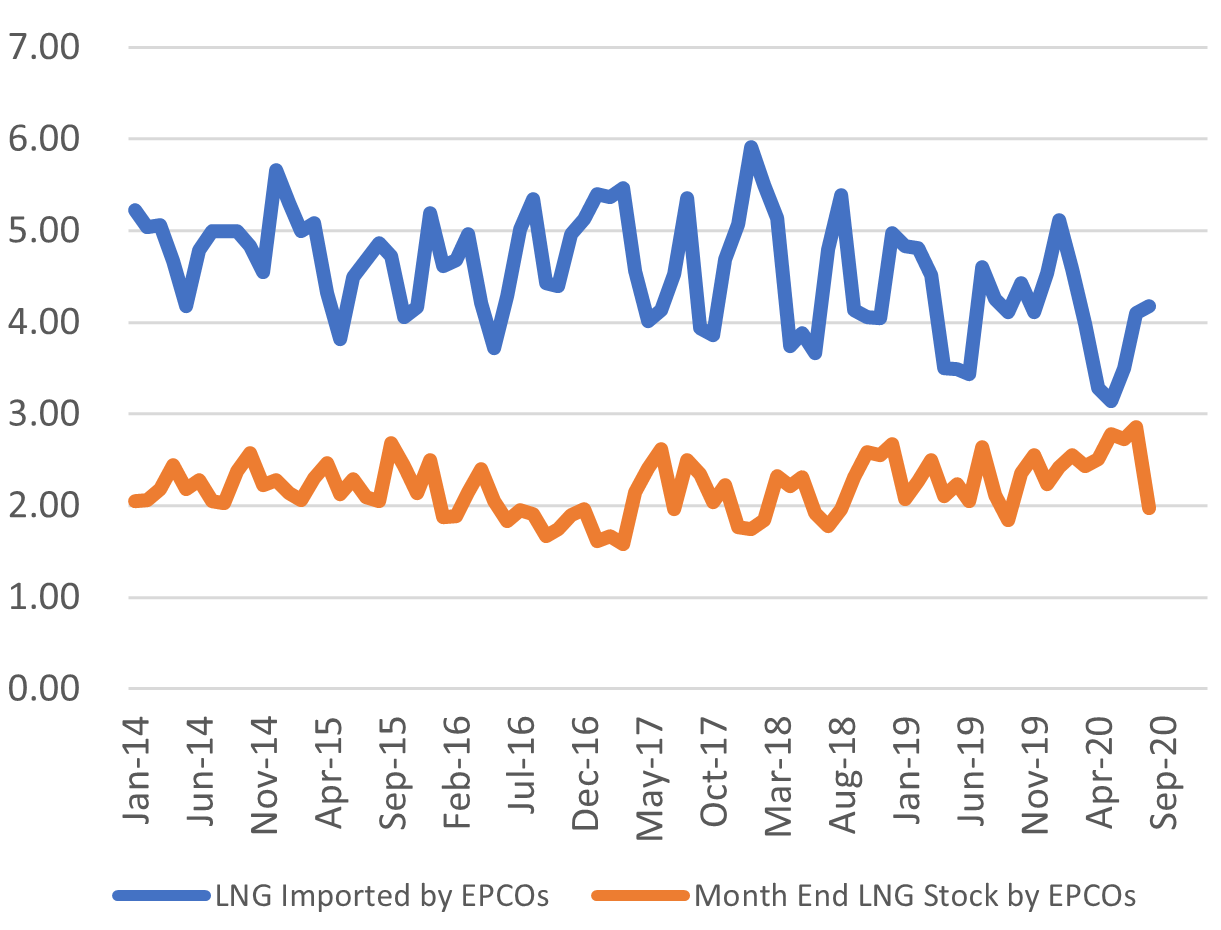
Source: Company websites, JANSI and JAIF, as of Dec. 18, 2020
Japan power price jumped to five times 2020 average due to cold snap and nuclear issues
(Japan NRG, Dec. 20)
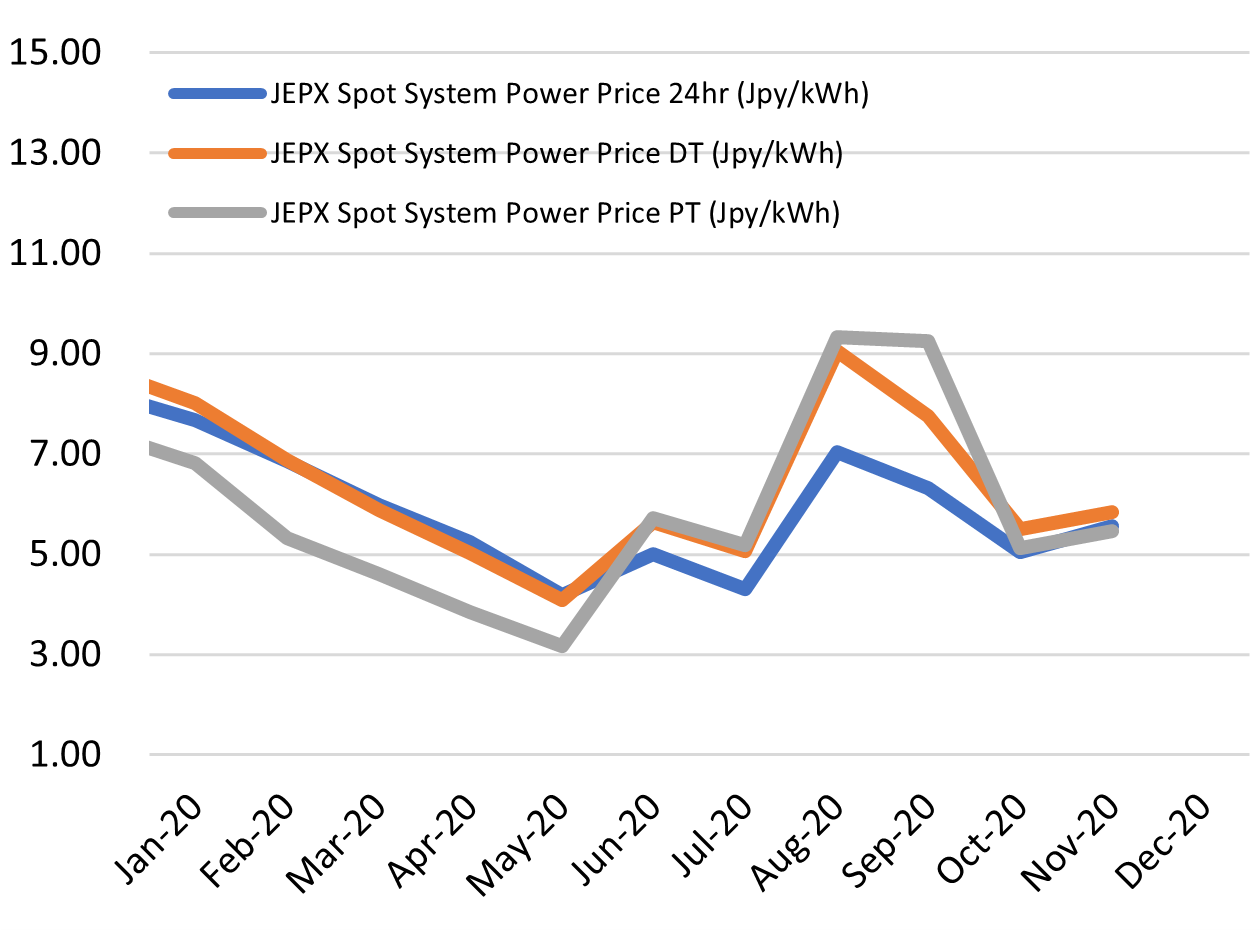
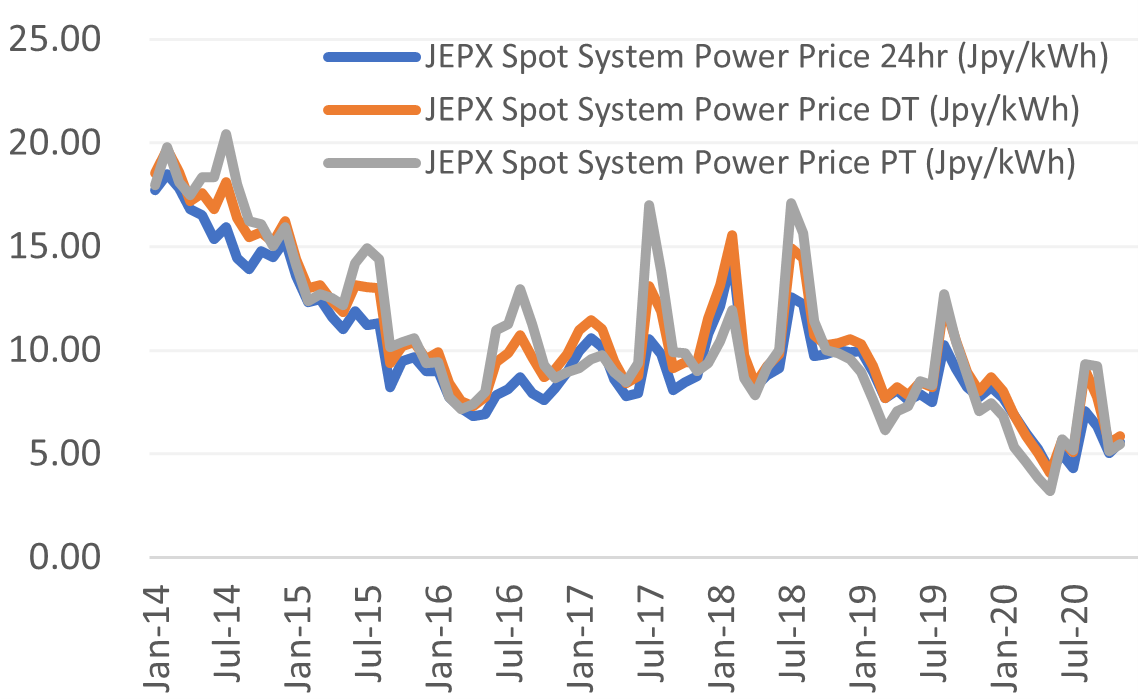
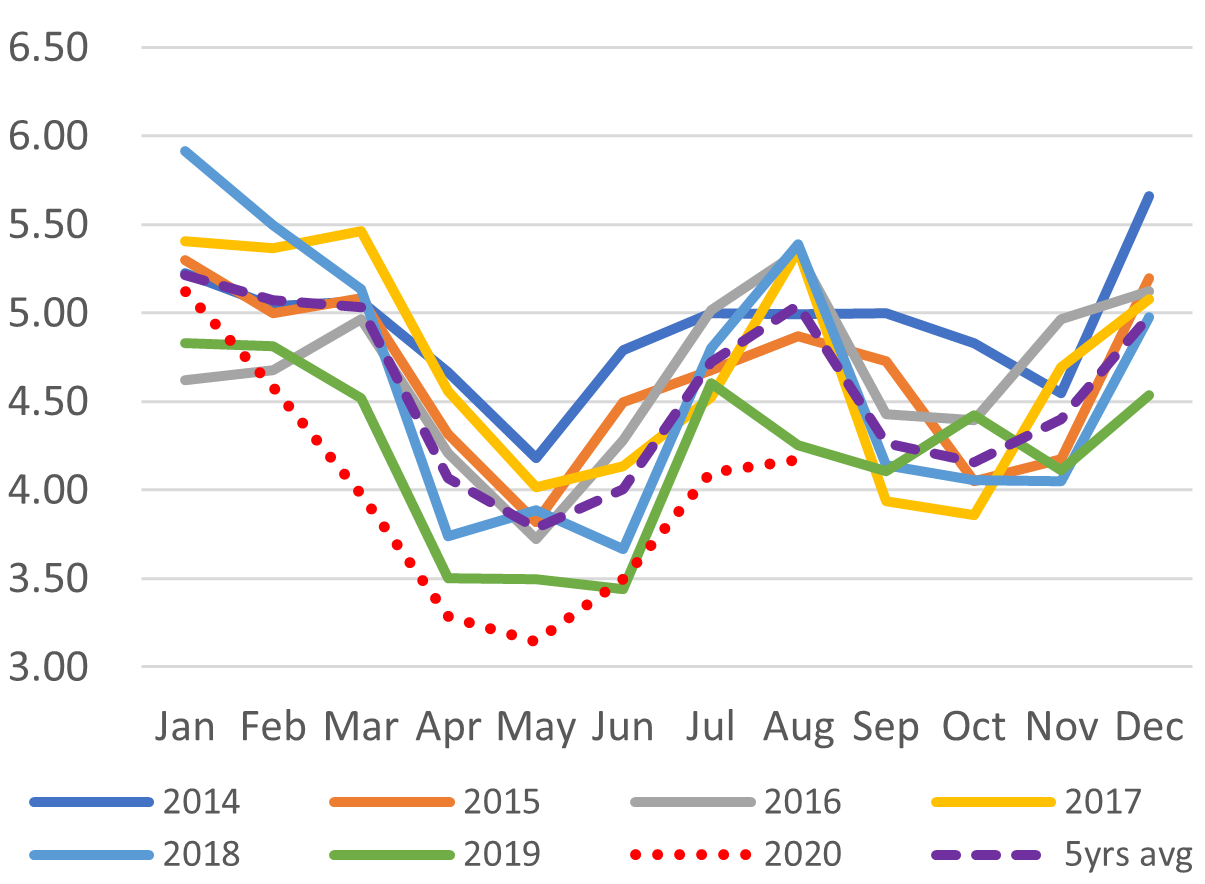
- JEPX 24-hour spot price rose to ¥24.66 / kWh on Dec. 18. The average for this year to date is ¥5.75 / kWh.
- Factors include a cold snap last week, forecasts for a further drop in temperatures over the next month, delays on a few LNG cargos destined for Japan, and several issues that inhibit the restart of nuclear power plants in the Kansai region.
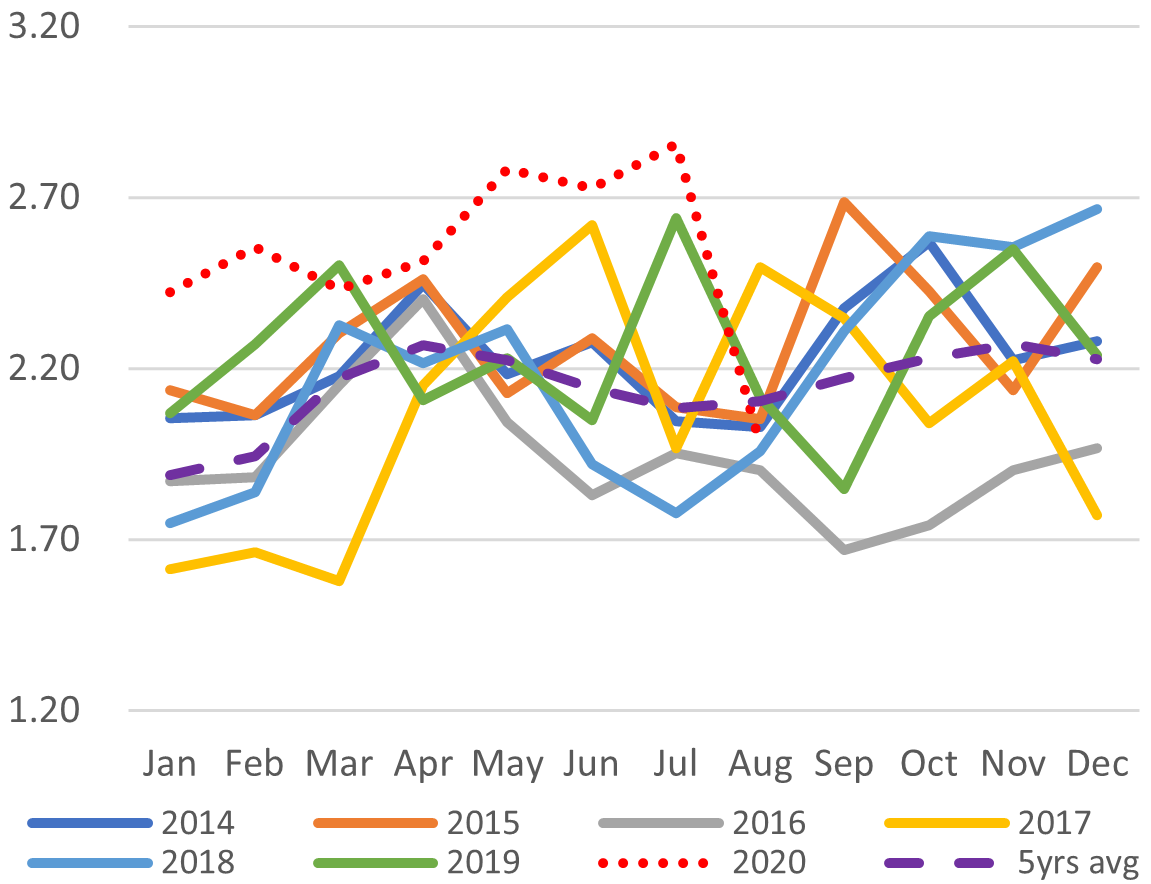
- See the Data section for details of price averages and YoY comparisons.
- SIDE DEVELOPMENT:
Consumer price index sees largest fall in 10 years due to plummet in energy prices
(Jiji.com, Dec. 18)- In November the consumer price index recorded its largest fall in over 10 years. The reasons were significant falls in electricity (7.3%) and gas tariffs (7.1%) compared with the previous month.
Mitsubishi Corp. under pressure from MoE, investors over Vietnam coal-power project
(Nikkei, Dec. 14)
- A consortium of European investors has demanded Mitsubishi Corp. pulls out of a project to build “Vung Ang 2”—a coal-fired power station in Vietnam.
- Part of a bilateral agreement between Japan and Vietnam, the project involves a consortium of 12 enterprises and financial institutions, eight of which are Japanese.
- The Vietnamese government has expressed a strong desire for the project to go ahead, making cancellation unlikely, although there is disunity on the Japanese side, with Environment Minister Koizumi Shinjiro coming out in opposition to the project.
- Nordic Asset Management is among the investors to have protested against the project. While Nordic only holds a small stake in Mitsubishi, it carries much sway in the market, and Mitsubishi shares fell 2% in the wake of the protest.
Kansai Electric delays restart of nuclear reactor by six weeks
(Jiji Press, Dec. 16)
- CONTEXT: Unit 3 at Kansai Electric’s Takahama Nuclear Power Plant was due to restart around Dec. 22.
- Restart of Unit 3 has been delayed for additional maintenance work. The restart may not occur until at least early February 2021, according to reports on Dec. 15.
- Depending on the severity of the pipe problem, maintenance work may take more than six weeks.
- CONTEXT: Kansai Electric recently had a similar issue with heat transfer pipes at Unit 4. Four pipes connected to the steam generator were found to have cracks. This delayed the restart, initially planned for the end of 2020, until January 2021.
TAKEAWAY: Kansai’s continuing problems with nuclear restarts are compounded by issues with LNG supplies. The utility had to cut output at thermal plants last week after two scheduled LNG cargoes were delayed due to poor weather. The utility’s predicament, coupled with a drop in temperatures, helped to send Japan power prices to the highest level since July 2018. Other regional utilities sent electricity to Kansai area to avert brownouts.
The extended closure of Takahama’s Unit 3 now leaves Kansai Electric without any nuclear power generation until Jan. 17, 2021, when it plans to bring back online the Ohi Unit 4. The restart was temporarily thrown into disarray after an Osaka court rescinded the validity of the nuclear regulator’s authority in judging it to be safe. However, since the government has filed an appeal of the ruling last week, the utility is seemingly allowed to operate the reactor until the final ruling is made.
With public confidence in Kansai Electric low after last year’s scandal and the general public remaining largely anti-nuclear, the utility could not have picked a worse time to announce technical problems at several of its reactors. Suddenly, its nuclear restart program for the next six months looks very vulnerable.
Mutsu mayor refuses to meet power company reps over nuclear waste site usage rules
(Nikkei, Dec. 16)
- On Dec. 15 Mutsu Mayor Miyashita Soichiro refused to meet with a delegation from the Federation of Electric Power Companies of Japan to discuss the nuclear waste storage facility being built in the municipality.
- The municipality has misgivings about a proposal that would allow Federation members to share the storage facility.
- CONTEXT: This situation is all about Kansai Electric. See last week’s Japan NRG for details. In short, Kansai Electric first needs to move its nuclear waste out of Fukui prefecture to go ahead with reactor restarts and possibly new nuclear construction. So far, the new facility in Mutsu is its only hope, but the local govt. does not want to take on the extra problems from Kansai Electric.
TEPCO aims to reduce net emissions to zero by 2050
(Nikkei, Dec. 15)
- TEPCO Holdings’ new recovery proposal aims to reduce the utility’s net emissions to zero by 2050 by restarting nuclear reactors and boosting renewables.
- TEPCO would not say when it aims to restart the giant Kashiwazaki-Kariwa plant, which has a major impact on the company’s revenue.
- Each year, TEPCO plans to put ¥500 billion towards decommissioning the Fukushima power plant. The Co. is required to foot a total bill of ¥16 trillion for the project. The Co’s target of an annual consolidated net profit of ¥45 billion remains unchanged.
FEPC plans 12 “Pluthermal” reactors by 2030
(Denki Shimbun, Dec. 18)
- Representatives of the Federation of Electric Power Companies of Japan met with METI minister Kajiyama on Dec. 17 to report on measures to step up the use of reprocessed nuclear fuel.
- Sticking to its future target of 16 to 18 “pluthermal” reactors fueled by plutonium-enriched uranium, the Federation aims to have at least 12 of the reactors operational by 2030/2031.
Nuclear regulator slams “unacceptable” Ohi reactor court decision
(Sanyo Shimbun, Dec. 18)
- The Nuclear Regulation Authority (NRA) said on Dec. 17 that the govt. appealed an Osaka District Court decision to annul a permit granted by the Authority for the restarting of the number three and four reactors at the Ooi nuclear power plant.
- The NRA said the court’s judgement that there were failings in its vetting process was hard to accept; says its assessment was made after considering a wide range of geological and seismological data.
- The govt’s arguments against the decision will be clear when the grounds for appeal are submitted, said the NRA.
TEPCO vows to take to social media to dispel tritium fears
(Nikkei, Dec. 20)
- Okura Makoto, who is in charge of TEPCO’s Fukushima rebuild operation, said on Dec. 15 that the Co. would use every means at its disposal, including social media, to dispel fears about the discharge into the sea of radioactive tritium stored at the reactor site.
- “Even if people don’t trust us, we have to be more active than anyone else in getting this message out there”, said Okura.
- Okura also pledged to work to remedy damage to the reputations of local farmers and tourism operators, and to pay compensation where necessary.
Hitachi to sell its stock in Enerchange energy fees comparison site
(Nikkei; Dec. 14, 2020)
- Due to the listing of energy fees comparison site ENECHANGE on the TSE Mothers market on Dec. 23, Hitachi will sell its stock in ENECHANGE.
- SIDE DEVELOPMENT:
Hitachi ABB tests high voltage system for world’s most powerful network
(NNA; Dec. 14, 2020)- Hitachi ABB Power Grid has started testing an HVDC Light (high-voltage, direct current) system.
- The testing is part of the NordLink project between Germany and Norway, which will be the biggest, most powerful network in terms of voltage and power capacity.
- Hitachi ABB Power Grid is in charge of designing, engineering, and supplying two electrical converting stations in southern Norway and northern Germany.
NEWS: RENEWABLES & OTHERS
Spot Electricity Prices (24h)
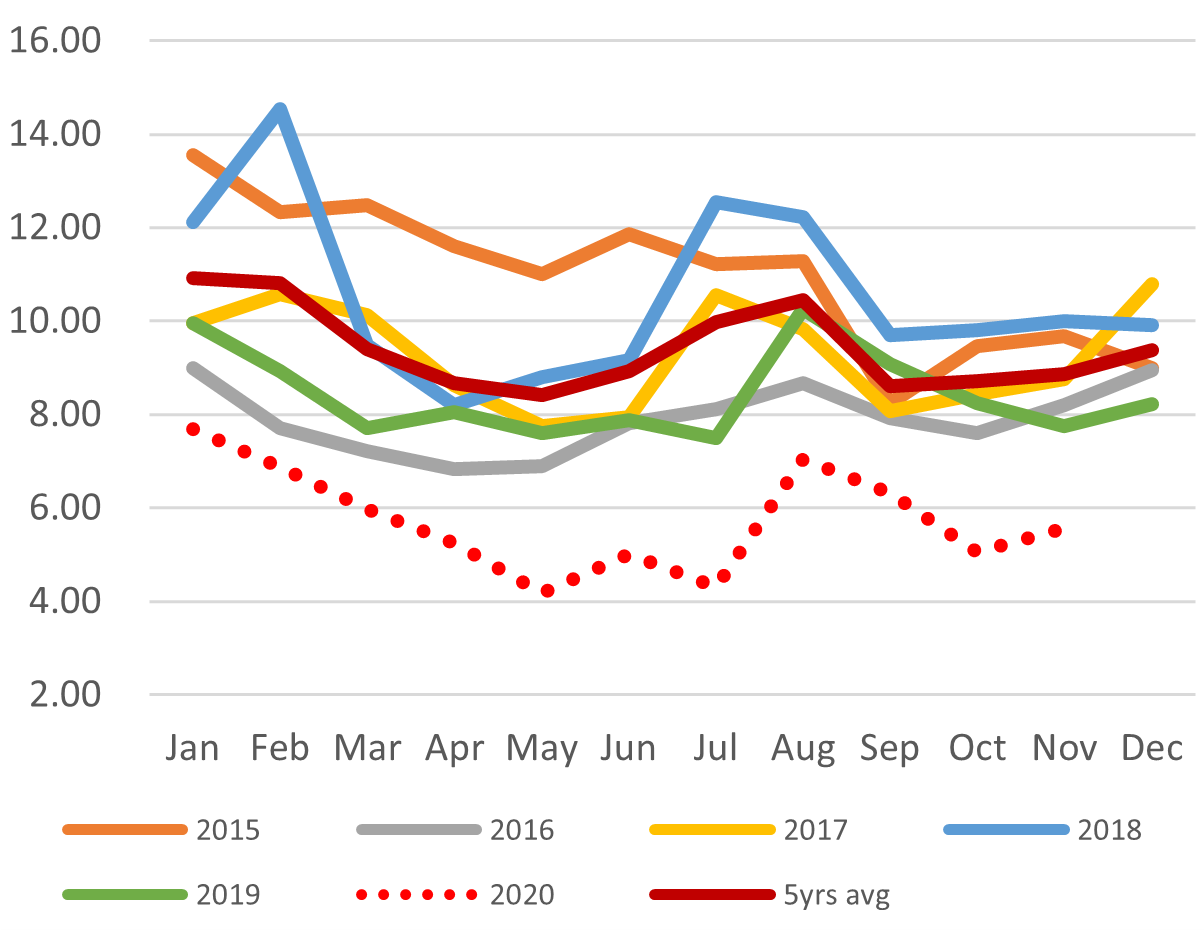
Spot Electricity Prices (2020)
Environment minister lobbies for renewables to be 40% of energy mix by 2030
(Nikkei, Dec. 16)
- Japan’s environment minister Koizumi proposed increasing renewable power sources to more than 40% of the nation’s energy mix by 2030, which is twice the current level.
- CONTEXT: Renewables now make up about 20% of the energy mix.
- Minister Koizumi is supported by the National Governors Association, which also wants a goal of more than 40% by 2030.
- An official at the powerful METI ministry said such a target is “not impossible, but difficult.”
- SIDE DEVELOPMENT:
Japan’s government to boost its own use of renewables to 30% next year
(Asia Nikkei, Dec. 10)- Ministries and state-owned facilities plan to use more electricity from renewable energy sources. Next year’s target is to source 30% of power this way.
Key policy committee gathers forecasts for renewable power development
(Nikkei Shimbun, Dec. 15)
- Subcommittee of the Agency for Natural Resources and Energy (a part of METI) discussed issues and measures for the spread of renewable energy with reports from public and private research institutes. The main idea raised was that Japan’s grid needs to be improved to handle a higher ratio of generation from renewable (and intermittent) sources.
- Four organizations delivered their reports to the Agency: the National Institute for Environmental Studies, the Renewable Energy Institute (REI), the Institute of Energy Economics, Japan, and the Central Research Institute of Electric Power Industry.
- REI set the most ambitious goals, saying Japan could use 100% renewables by 2050 as energy demand will drop by as much as 30% by that time. REI also lobbied for wider land use to install renewable energy, arguing that if Japan’s vacant and abandoned farmland were fitted with solar panels, an additional 100 GW could be generated.
- The National Institute for Environmental Studies emphasized the need to maximize use of electrification and renewable energy in the automobile and industrial sectors. It also noted the need for a mechanism to balance the uneven distribution of resources across Japan.
- The Institute of Energy Economics believes that widespread uptake of renewable energy could reduce power tariffs during daylight hours to the point that investors would be unable to make a return on investment. Japan should be guided by meteorological data for further green energy build-out, it said.
- The Central Research Institute of Electric Power Industry said that a zero emissions goal is not guaranteed under a 100% renewable energy ratio. The institute argued for the combination of nuclear, hydrogen, carbon capture and storage, and other approaches in order also to minimize costs. The instate believes that depending on the region, the ratio of renewables may be 38% to 50% by 2050.
Government and private sector aim to install 45GW of offshore wind capacity by 2040
(Nikkei, Dec. 16)
- The Ministry of Economy, Trade and Industry (METI) and the Ministry of Land, Infrastructure, Transport and Tourism announced a “wind farm industry vision” calling for the installation of 45 GW of offshore wind capacity by 2040 in collaboration with the private sector.
- The plan calls for 35GW, or 80% of the total, to be constructed in Hokkaido, Tohoku and Kyushu. New solutions will be implemented to efficiently transport the electricity generated to metropolitan areas.
Toshiba eyes acquisitions in renewables space as part of $9.7 billion M&A spree
(Asia Nikkei, Dec. 17)
- Toshiba said that within the next five years it will spend ¥1 trillion ($9.67 billion) on business expansion, including entry into wind power.
- The engineering firm seeks acquisition targets and partnerships in the wind power sector. Toshiba believes it can catch up in the sector by leveraging past experience from coal and nuclear power generation.
- One option is buying a turbine-parts maker. The profit margins for power plant and infrastructure services are around 9%, which Toshiba finds attractive.
- Rather than one big M&A deal, Toshiba is looking for several smaller deals in the range of several hundred million dollars in order to diversify risks. The company will fund its M&A spree binge through loans and by selling part of its 40% stake in chipmaker Kioxia.
- SIDE DEVELOPMENT:
Toshiba and Fuji Electric to invest $2bn in EV power chips
(Asia Nikkei, Dec. 15)- Toshiba and Fuji Electric will invest a combined ¥200 billion ($1.9 billion) to ramp up output of power-saving chips for electric vehicles.
- Toshiba will spend about ¥80 billion through the fiscal year ending March 2024 to boost the capacity for producing wafers. Toshiba is strong in low-voltage products and already supplies power converters for electric grids.
- Separately, Fuji Electric will invest ¥120 billion through fiscal 2023, both at home and abroad.
Restrictions on solar farms triple in three years
(NHK, Dec. 12)
- A survey by the Tokyo-based Institute for Sustainable Energy Policies found that the number of local bodies passing bylaws to restrict solar generation has tripled over the last three years to 94, as residents are more concerned about visual pollution from solar panels.
- Some local bodies were prompted to introduce restrictions on panel installations after incidents in which panels suddenly fell to the ground, posing a safety hazard.
- Of the 94 local bodies, 13 hail from Nagano prefecture, where visual pollution and the risk of landslides has galvanized residents against solar farms.
- SIDE DEVELOPMENT:
- Government encourages lower-cost solar installations
- (Nikkei, Dec. 14)
- The Ministry of the Environment has introduced a new subsidy for rooftop solar panels and other solar installations.
- For an installation with a capacity of between 50 and 500kW, the total cost of the system needs to be no more than ¥210,000 per kilowatt in order to be eligible for the subsidy.
- The subsidy covers a third of installation costs.
- The Ministry has also introduced a subsidy for storage batteries.
Japan to encourage utilities to switch to hydrogen, sets 2030 target
(Yomiuri Shimbun, Dec. 18)
- The govt. is due to publish a new hydrogen strategy within the year as part of the 2050 net-zero emissions roadmap. This includes strong encouragement towards power utilities to start switching to hydrogen as a fuel.
- Govt. sees hydrogen consumption at 3 million metric tons in 2030, 50% higher than now, and 20 million tons in 2050.
- CONTEXT: The current govt. hydrogen strategy was published in 2017. See the Aug. 24 edition of Japan NRG Weekly for details.
TAKEAWAY: The numbers published by Yomiuri differ from more bullish figures printed in the Nikkei a week earlier. This could be because the Yomiuri numbers refer specifically to consumption targets for electricity utilities. Or, it may be due to the govt’s realization of the difficulty in ramping up hydrogen production quickly. We expect the numbers to continue fluctuating depending on the news report. The key thing is the direction of govt. strategy, which is very bullish towards hydrogen use.
Uneconomical Fukushima wind farm to be torn down
(Livedoor News, Dec. 12)
- A ¥60 billion wind farm off the coast of Fukushima is to be decommissioned, it was revealed on Dec. 12.
- Constructed as a symbol of Fukushima’s recovery from the 2011 nuclear disaster, the wind farm was intended to be sold to a private operator, but is now seen as uneconomical.
- The METI will spend ¥5 billion on dismantling the three turbines.
Osaka Gas, Mitsui E&S and Itochu power up 50 MW Ichihara biomass plant
(Chemical Daily, Dec. 18)
- Mitsui E&S, Itochu Corporation and Osaka Gas said on Dec. 17 that their new power station in Ichihara, Chiba had begun commercial operation.
- The 50 MW power station is fueled by palm kernel husks and generates enough to power 120,000 households.
- In an arrangement that draws on the strengths of the respective parties, Mitsui E&S is responsible for the construction, operation, and maintenance of the power plant, while Itochu supplies the biomass, and Osaka Gas provides advice on power plant operation.
Osaka Gas, DBJ to invest in solar energy
(Denki Shimbun, Dec. 18)
- Osaka Gas and the Development Bank of Japan said on Dec. 17 that they had invested in D&D Solar, a joint venture for the acquisition of solar farms.
- The first facility acquired by D&D Solar was the 12 MW Kuwabarajo solar farm (Kagoshima), formerly owned by BayWa r.e. Solar Projects.
ANALYSIS
BY MAYUMI WATANABE
Japan’s Electricity Watchdog Gets Expanded Remit,
Still Lacks Real Clout to Maintain Market Competition
Japan has finally split the electricity grid from generation. While power utilities have had to unbundle, the electricity market’s regulatory framework has yet to follow the full course. This in turn is starting to cause some loss of confidence in the market watchdog, while also clouding the future of certain developments in the nuclear and renewable energy sectors.
Discontent over recent power capacity auction, as well as this month’s surprising court decision that challenged state authority over nuclear safety, can be traced to perceived weakness at the Electricity and Gas Market Surveillance Commission (EGC). The Commission will double its range of oversight over the next year or so. However, industry insiders say that in order to promote competition the watchdog needs real clout and a willingness to act independently.
Ostensibly, the EGC is the market regulator with authority over the electricity transmission network and related infrastructure. Its role in protecting independent access to the grid is pivotal in fostering competition between power generators. The watchdog has oversight of some 20 regulatory categories, from capacity auctions to wholesale and retail electricity trades, and even household gas pipe system inspections.
The sectors of oversight will double in number to 40 by April 2022, when the Electricity Resilience Law comes into force. Added roles include monitoring transmission network operators’ revenue cap and other market parameters.
However, the EGC is a regulator with little carrot and no stick. For example, it can’t impose fines, and its enforcement capacity is limited to administrative guidance in the form of advice. That advice is further constricted by the Electricity Business Law.
Until this year, the EGC didn’t even have its own telephone number and had to use the contact details of METI, the ministry in charge of most energy policies. This further blurred the lines between policy and regulation.
An understanding that Japan’s electricity market requires clear separation of regulatory jurisdictions has been around for almost a decade. In 2012, the Japan Fair Trade Commission published a policy paper on the matter. The Commission also argued for the separation of the grid’s transmission, wholesale and retail functions.
While even METI is supposed to consult with the EGC before taking actions that fall within the scope of the Electricity Business Law, insiders say this process is ignored. In fact, the EGC’s daily operations make it heavily dependent on METI.
The EGC needs sanctioning authority and independence from METI if the watchdog is to play its role effectively, according to Mika Obayashi, the secretary general of Renewable Energy Institute. Since 2016, the EGC has issued just eight administrative guidance memorandums, and four went to TEPCO Energy Partner.
Administrative guidance, however, is a soft sanction that can be easily ignored. In theory, the EGC could escalate an issue to METI’s minister, who has the authority to remove licenses. But the reality is that the minister very rarely takes action.
WHAT’S THE VALUE IN WATCHDOG INDEPENDENCE?
The ability to act independently from METI is important in light of the scandal around Kansai Electric (KEPCO). Earlier this year, the utility was found guilty of bribery and other misdeeds. KEPCO officials received financial gifts from a then deputy mayor of the township that hosted one of the company’s nuclear power plants.
The scandal enraged the local population and many from the general public questioned whether policies and plant safety were connected. Several months later, an Osaka court ruled that the Nuclear Regulation Authority, a state agency, was not correct in its issuance of approval for a restart of KEPCO nuclear plants.
The incursion of the judiciary based on a citizen group’s plea is perhaps no coincidence. This is what happens when the industry regulator, when asked to review the KEPCO case, concludes that bribery was a “compliance issue” and irrelevant to electricity trading.
The Kansai Electric case was a prime example of how the EGC failed to act as an independent watchdog, outside of METI’s interests, according to REI’s Obayashi.
The EGC now faces a vastly different electricity market from the one Japan had a decade ago. At that time, it was dominated by 10 regional utilities that essentially didn’t compete and handled all steps of the electricity supply chain, from generation to retail. Today, the EGC, which has just 120 staff, must monitor over 880 power retailers, as well as wholesale, retail and capacity auction markets; all the while keeping an eye on consumer issues.
This summer’s capacity market auction made clear the extent to which the EGC’s staff is overworked and stretched too thin. The event was hosted by the Organization for Cross-regional Cooperation of Transmission Operators (OCCTO), but the EGC was tasked with monitoring. The auction results caused massive arguments between energy factions and calls for a complete re-think of the format after prices spiked to the allotted maximum. Even the Environment Ministry got involved, complaining that the auction effectively worked against the development of renewable energy in Japan.
Regulatory experts say that since the EGC is overstretched, other state agencies are starting to encroach on its territory. While there’s nothing wrong with other state actors making recommendations on areas that fall within the EGC’s remit, the danger is that inconsistency in policy and regulatory action could arise.
It would be unrealistic to expect the government to allow the EGC to have powers that supersede those of METI. Yet, unless the electricity market gets a regulator with teeth, the competitive energy landscape that METI wants to create may in fact never materialize.
ANALYSIS
BY YURIY HUMBER
BASED ON ARTICLE IN
SHIN ENERGY SHIMPO
44 Reasons Why Japan’s Solar Power Cost Will Halve in Five Years
The cost of solar power in Japan was expected to drop to ¥14 per kilowatt hour (kWh) by 2020, according to government targets set in 2014. In fact, over the last year it fell as low as ¥10.5 / kWh.
Now, Japan’s state research institute, NEDO, has determined 44 R&D directions and themes that it believes will bring down the cost to ¥7 by 2025, five years earlier than forecasted. Innovative developments, such as crystalline silicon and CIS (Copper Indium Selenide) solar cell modules, will drastically cut the purchase price of solar and alleviate the need for the current state-administered pricing support system, according to NEDO.
In short, the hope is that solar power will no longer be an extra levy on the Japanese electricity bill. The industry will compete and beat most other generation on price.
Japan kickstarted its solar and wind power revolution following the 2011 Fukushima nuclear disaster. The country introduced the world’s highest Feed-In Tariff (FIT), initially set at ¥42 / kWh, and saw investors flood into the space. As a result, Japan tripled its solar power capacity in less than a decade – a faster rate of increase than the EU or the global average.
As new capacity came online, so did the price. Solar is the only generation source to come down in price in the last five years apart from onshore wind, according to data from JEPIC. The price reduction in solar exceeds that of wind by several fold.
Yet, despite these successes the cost of the electricity generated by photovoltaic solar panels in Japan is much higher than the global average. It’s almost double that of Germany and France. The price differential with the U.S. is even more stark; it’s a factor of 10 when compared with some of the most successful outlier projects in the global solar industry.
France’s EDF Renewables won its bid this year for an Abu Dhabi solar farm with a price offer of 1.35 U.S. cents / kWh, the equivalent of ¥1.39 / kWh.
Taming this huge differential, and lowering the price of renewable energy in general, is one of the key themes for Japan as it looks at ways to meet the country’s newly-set 2050 net-zero emissions target. The government wants to make solar and wind a central part of the power industry, rather than filler for the more traditional, baseload power, such as thermal plants and nuclear generation.
For that, it needs solar and wind costs to drop dramatically – and soon.
PANELS THAT CURVE, FLOAT, AND FLY
The next challenges for solar development were outlined by The New Energy and Industrial Technology Development Organization, or NEDO, in its new solar industry strategy published this summer.
Considering the rapid decrease in the number of suitable sites for PV solar due to the country’s mountainous and urbanized landscape, NEDO argued that Japan needs to improve the efficiency of solar panels, which would then make it feasible to start adding them to building walls, factory roofs, automobiles and even drones.
The research institute picked 44 directions in total, outlined in the table below. These are the most promising ways NEDO found to meet its near-term goals for solar PV panels: a drop in weight to one-tenth of the current average and an improvement in conversion efficiency to 35%, as well as curved surface tracking.
The innovations promise to absorb a wider range of wavelength light, thus bolstering the power generation potential. New approaches to panel device structure and installation are also part of the group of 44, which aims for better durability, easier recycling of materials and longer service life on top of lowering the overall cost.
These breakthroughs should be ready for a mass rollout around 2030, with the technical side in place much earlier.
METI has allocated ¥3.6 billion in next year’s budget to support these innovations.
While Japan also places faith in wind generation, especially offshore, to increase the nation’s renewables capacity, solar farms are much faster to install, easier to operate, and appeal to a broader set of operating companies and investors eager to show commitment to the ESG theme.
Solar farms alone could account for 320 GW of capacity by 2050, according to NEDO estimates. Note, Japan already has about 56 GW of solar capacity installed.
When adding in the new panel features, such as flexible, curved and ultra-light and water-resistant materials, new opportunities for another 170 GW open up. Consumer, residential and industrial facilities could see walls and roofs adorned with panels. Units could even be placed on farmland and on water surfaces.
In total, NEDO’s solar targets promise a 110-million-ton reduction of CO2. That’s equivalent to a fifth of the country’s total emissions, and this is precisely the reason why Japan is investing heavily in solar development in the coming decade.
For details of the technical innovations, see the table on the next page.
The 44 Innovation Themes in Solar Panel R&D Backed by NEDO
| THEME | COMPANY / ORGANIZATION |
| A high-quality joining interface structure via dry process of CIS (Copper Indium Selenide) solar cell | Ritsumeikan University |
| A new buffer-less CIS solar cell by hetero-interface control | Tokyo Institute of Technology |
| CIS solar cell high efficiency element technology that can be used on various substrates | AIST: National Institute of Advanced Industrial Science and Technology |
| Lightweight CIS solar cell that can be applied to various substratesDevelopment of manufacturing element technology | Idemitsu Kosan |
| A high degree of freedom of design for film-type perovskite solar cell module | SHARP |
| Modularization element technology for a high degree of freedom of design film-type perovskite solar cell module | Enecoat Technologies |
| Generic technology for a high degree of freedom of design for film-type perovskite solar cell | Kyoto University |
| Ultra-lightweight module technology | TOSHIBA |
| High-performance technology and performance evaluation technology by interface control | AIST |
| Ultra-lightweight thin film (perovskite) solar cellsRoll-to-roll manufacturing technology | Sekisui Chemical |
| High-efficiency material technology and film-forming technology to create a new market for perovskite solar cells | Tokyo University |
| Quantum dot solar cells that make effective use of infrared light | Tokyo University |
| Inverse design and development of transparent quantum dot solar cells using AI prediction optimization | The University of Electro-Communications |
| Intermediate band solar cells using wet process; Life prolongation of wall-mounted solar cell modules by using multifunctional and high-quality thin films | KaoJAIST: Japan Advanced Institute of Science and Technology |
| Structural optimization of wall-mounted tandem solar cell modules and development of outdoor performance evaluation technology | Aoyama Gakuin University |
| Technology for maximizing lifetime power generation of wall-mounted photovoltaicpower generation systems | Niigata University |
| Perovskite BIPV (Building-integrated photovoltaics) module | Panasonic |
| BIPV material technology for high performance | Waseda University |
| High-performance technology for wall-mounted photovoltaic modules | AIST |
| Improvement of efficiency of wall-mounted photovoltaic power generation systems and development of life prolongation technology | Kaneka |
| Development of common fundamental technology for expanding the market for wall-mounted photovoltaic power generation systems and formulation of guidelines | PVTEC: Photovoltaic Power Generation Technology Research Association |
| Demonstration of BIPV systema for new and existing construction that considers design / can be retrofitted | LIXIL |
| Demonstration of a photovoltaic power generation systems that implement balancing to achieve ZEB (Zero Energy Building) | Kaneka |
| Ultra-high efficiency multistage joining module | Toyota Technical Skill Academy & Toyota Technological Institute |
| Ultra-high efficiency low-cost cell module technology | SHARP |
| Ultra-high efficiency bottom cell (CIS) | Idemitsu Kosan |
| Low-cost film deposition equipment | Taiyo Nippon Sanso |
| Low-cost epi / joining technology | AIST |
| Evaluation and structural design technology for moving body modules | Miyazaki University |
| High-efficiency multi-junction thin film cell; Development of process technology for realizing practical size perovskite silicon tandem solar cells | Tokyo UniversityAIST |
| High-efficiency tandem solar cell module | Kaneka |
| Formulation of technical standards for high-safety PV modules and high-safety PV systems | PVTEC |
| Formulation of guidelines for ensuring safety of photovoltaic power generation facilities with special installation formsThree items: sloping land installation type, farming type, and water installation type | AIST, Structural Performance Evaluation Institute, Yachiyo Engineering, JPEA: Japan Photovoltaic Energy Association, Deloitte Tohmatsu Consulting |
| Safety / reliability evaluation of photovoltaic power generation, technical information infrastructure maintenance of recovery technology | AIST, Structural Performance Evaluation Institute, SOMPO Risk Management, JPEA |
| Technological development to promote practical application of evaluation and recovery for long-term and stable PV power generation | KEPCO, XSOL, CO2O, Nippon Chiko, Asia Air Survey |
| Demonstration of low environmental impact material recycling technology for crystalline silicon and CIS solar cell modules | Solar Frontier |
| Recycling technology using low-temperature thermal decomposition process of solar cell modules | Tokuyama |
| Research on the feasibility for creating adjusted power via photovoltaic power generation | AIST, Central Research Institute of Electric Power Industry |
| Basic design of supply-demand integrated photovoltaic power generation systems utilizing self-consignment between multiple points | TEPCO Energy Partner, NEC |
| Advancement of new solar cell evaluation element technology and development of high-precision evaluation technology | AIST |
| Short-term prediction of solar radiation | Japan Weather Association |
| Power generation prediction evaluation technology | Tokyo University of Science |
Source: Shin Energy Shimpo
GLOBAL VIEW
BY TOM O’SULLIVAN
Below are some of last week’s most important international energy developments monitored by the Japan NRG team because of their potential to impact energy supply and demand, as well as prices. We see the following as relevant to Japanese and international energy investors.
Coal:
1). China has banned coal imports from Australia, which totaled nearly $14 billion last year and accounted for nearly 1/3 of Australia’s total global coal exports. Shipments of Australian coal to China are estimated to be down by 50% YTD.
2). Lloyd’s, the world’s biggest insurance market, has set a market-wide policy to stop new insurance cover for coal projects by January 2022.
3). IEA estimates that global coal demand will fall by 5% in 2020, the largest since World War II.
Copper:
Last week, copper prices exceeded $8,000 a ton for the first time in more than seven years partially due to increased usage in electricity infrastructure and renewables.
Oil:
IEA oil demand forecasts for 2021 were revised down by 170,000 b/d mainly because of a downgrade for jet fuel and kerosene demand that accounts for around 80% of the overall 3.1 million b/d shortfall in oil consumption in 2021 versus 2019. IEA forecasts that oil demand in 2021 will be 97 million b/d, up by 5 million b/d vs. 2020.
Green Bonds:
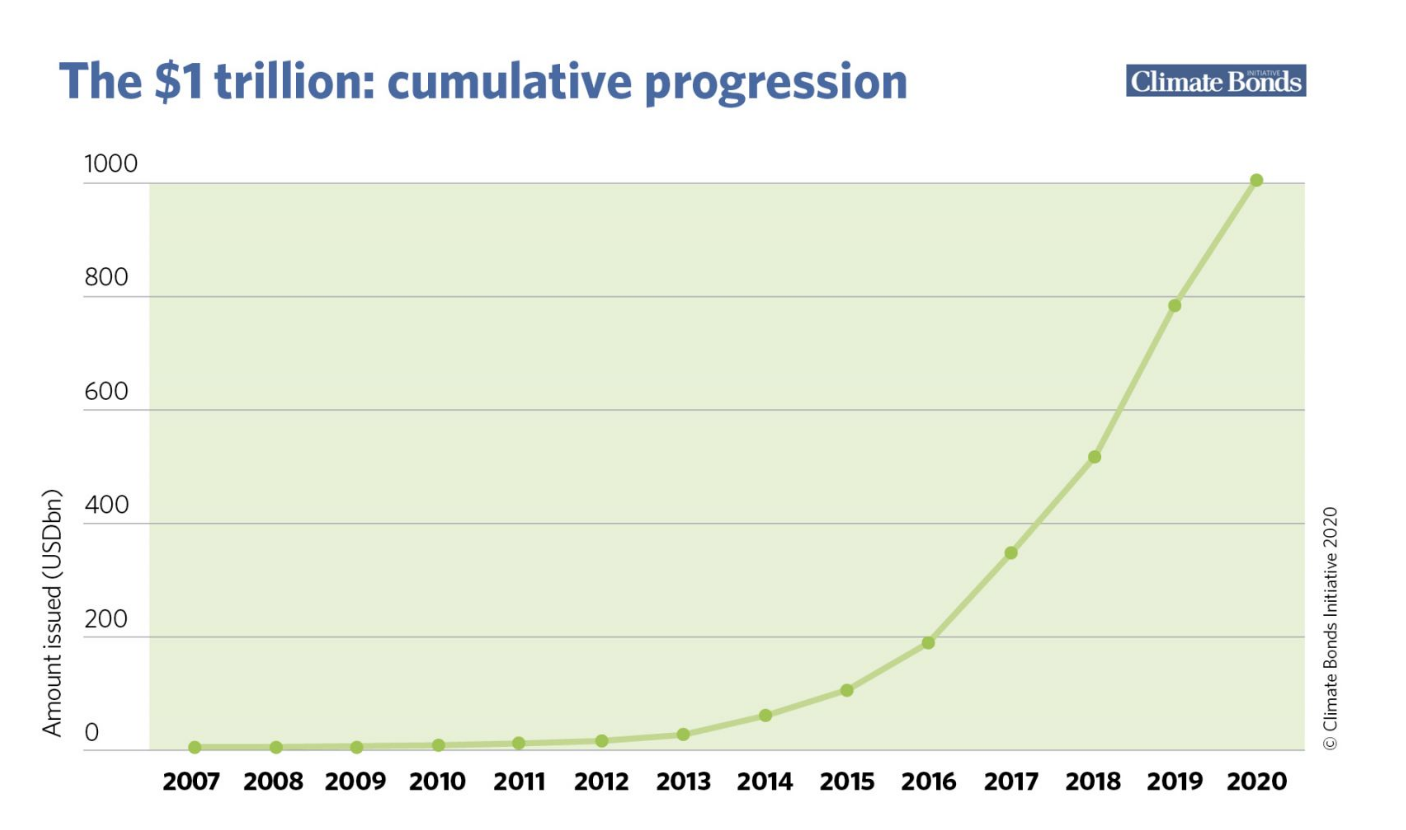
Cumulative global green bond issuance exceeded $1 trillion in December, a record.
ESG:
The $5 billion Rockefeller Foundation has decided to divest from fossil fuels and will not make any new investments in the fossil fuel industry.
EVs:
Tesla enters the S&P 500 index today, with the largest market capitalization ever of a debuting company as it exceed $650 billion on Friday. Tesla’s market cap is expected to be 1% of the index total, and it will be the 6th largest company in the index. Nearly $4.3 trillion of assets track the S&P 500 index, and the inclusion of Tesla is thought to have generated $85 billion in asset allocation switches.
The four Chinese EV companies – NIO, Li Auto, BYD and Xpeng – have also seen significant increases in their market valuations in 2020.
Electric Aviation:
The magazine, Scientific American, voted electric aviation as one of the 10 most promising technologies of 2020.
Carbon Offset Trading:
The Taskforce for Scaling Voluntary Carbon Markets, led by Mark Carney, the former governor of the Bank of England, aims to create a pilot tradable standardized carbon offset contract within 2021.
China:
1). President Xi Jinping committed to almost tripling China’s wind and solar capacity by 2030, which would bring cumulative wind and solar capacity in China to 1,200 GW. The country’s total installed electricity capacity exceeded 2,000 GW in June 2020.
2). Bank of China will sue BP over alleged involvement in oil deals with Hin Leong Trading, the Singapore-based commodity trader that filed for bankruptcy in April.
Pakistan:
Pakistan has commenced phase 1 of its initiative to plant 10 billion trees by 2023. The U.N. says Pakistan will be among the six countries most impacted by climate change.
Middle East:
1). New estimates show Iran’s oil exports may have tripled in Q4 vs. Q1 to over 1 million b/d due to increased trade with China, Venezuela, and Syria.
2). A Singapore-flagged oil tanker was attacked at the Saudi port of Jeddah last Monday, the third terrorist attack at a Red Sea oil facility in recent months.
Africa:
President Edgar Lungu of Zambia may nationalize copper mines as part of an economic recovery plan. The country defaulted on sovereign debt in November.
U.K.:
1). The government began negotiations with EDF over construction of a $27 billion 3.2 GW nuclear plant at the Sizewell C site. It could generate 7% of U.K’s energy.
2). Nissan halted plans to produce an EV in the U.K. due to Brexit disruptions and will instead produce the Ariya vehicle in Japan. From there, it will export EVs to the E.U.
3). BP has acquired a majority stake in Finite Carbon, the largest U.S. developer of forest carbon offsets, expanding an initial $5 million venture investment made in 2019.
Americas:
1). ExxonMobil plans to reduce upstream greenhouse gas emissions by 15% to 20% by 2025, compared to 2016. This includes up to 50% decrease in methane intensity, and an up to 45% decrease in flaring intensity globally. The emission reduction plans, which cover Scope 1 and Scope 2 emissions from operated assets, will be consistent with the goals of the Paris Agreement.
2). The ruling Canadian Liberal Party launched a new climate plan last week, including an increase in the federal carbon tax by C$15 per ton each year from 2020 to 2030.
3). One quarter of the proceeds of a proposed new wealth tax in Argentina will be used to build natural gas infrastructure.
GLOBAL VIEW: SPECIAL FEATURE
BY JOHN VAROLI
Joe Biden’s Energy, Transportation, and Climate Team Likely to Play Significant Role in Influencing Japanese Energy Policies in the 2020s
The climate crisis is at the top of Joe Biden’s agenda, and to tackle the problem he’s assembled a team of professionals who bring decades of climate and environmental experience to the White House. In Japan Prime Minister Suga also made an historic pledge to achieve carbon neutrality by 2050 shortly after he took office in September.
Below is a brief overview of the key players in the Biden Administration with their respective counterparts in the Suga administration.
First, it’s important to note that the extent of White House influence on the U.S. energy policy is still unclear. Unless the Democrats win in the Jan. 5, 2021 Georgia race, Biden’s administration will have to tackle a Republican-led Senate. Also, as some of Biden’s cabinet nominations are from the U.S. House of Representatives, including the secretary of the interior, which could deplete the Democratic majority in the lower house for several months, further constraining Biden’s legislative agenda.
However, the U.S. federal system allows states, and even cities, to pursue their own energy and climate policies. While Democratic-controlled New York and California have long been leaders in green energy policies, Republican-controlled and sunny Texas also has a strong track record as a proponent of green energy, such as solar power.
Biden is also expected to make use of Executive Actions to push his energy and climate policy agendas. This will allow him to bypass the U.S. Congress but these could be subject to litigation in courts where GOP nominees predominate. Nevertheless, Biden will begin his term with the most climate-focused group of appointments in U.S. history.

JENNIFER GRANHOLM
Secretary of Energy, Cabinet position
Despite its name, the Department of Energy’s main mission is to oversee the safety of the U.S. nuclear weapons arsenal. But as head of the department former Michigan governor Jennifer Granholm will also be in charge of 17 laboratories and many energy R&D projects, including a loan office that helped launch Tesla Motors to the tune of $465 million in January 2010.
A longtime champion of renewable energy, as Michigan’s governor (2003-2011) Granholm worked with the Obama administration on a 2009 financial bailout of car industry that pushed through investments in clean energy and championed incentives for automakers to invest in innovative green tech, such as battery storage.
Her counterpart in Japan will be METI minister Kajiyama. Granholm’s policies on use of nuclear power will be closely scrutinized in Japan.
PETE BUTTIGIEG
Secretary of Transportation, Cabinet position
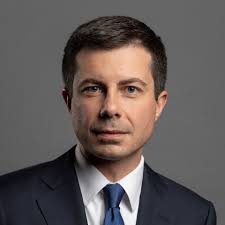
During his presidential campaign bid earlier this year, the former mayor of the city of South Bend, Indiana (2012-Jan. 2020) promised to restore Obama-era vehicle emissions standards and to achieve carbon neutrality by 2050. Now, under Biden, Buttigieg’s will have the chance to cement his climate-centric stance at the Department of Transportation.
Buttigieg’s authority, however, is expected to also impinge on the auto industry. In addition to tougher regulation on auto emissions, the leading source of greenhouse gases in the U.S, he will push for policies that encourage electric vehicles and provide more funding for mass transit in order to get cars off the road. How that will be received by the wider public in a post-COVID world is yet to be seen.
His counterpart in Japan will be Ministry of Land, Infrastructure, Transport and Tourism (MLITT) minister Akaba, who is the sole representative of the ruling LDP party’s junior coalition partner, Komeito, in the cabinet. We expect policy initiatives around CAFÉ automobile standards and public transportation policies to be of significant interest to Japan’s private sector.

DEB HAALAND
Secretary of the Interior, Cabinet position
Elected to Congress in November 2018 from the State of New Mexico, Deb Haaland has spent her entire life advocating for Native American tribal nations, disenfranchised rural communities, as well as communities of color. She currently serves as vice chair of the House Committee on Natural Resources. A member of the Pueblo of Laguna, Haaland is the daughter of a highly decorated U.S. Marine and she will be the first Native American to hold a Cabinet position and lead the Department of the Interior, which has long wielded influence over the country’s nearly 600 federally-recognized tribes.
More importantly for climate change policy, the Department also holds jurisdiction over much of the country’s public lands, waterways, wildlife, national parks and mineral wealth. This makes Haaland a key link in Biden’s climate and environmental policies. She’ll have the power to put an end to, and prevent, further encroachment by fossil fuel corporations into federal lands for extraction. By the end of 2018, nearly 26 million acres of federal lands was leased to oil and natural gas companies, which were operating a total of 96,000 wells there.
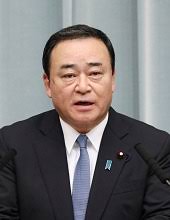
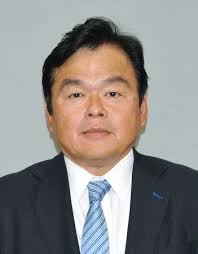
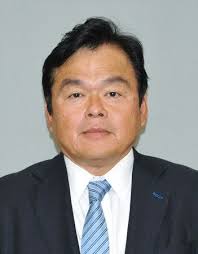
Her counterparts in Japan would likely fall between MLITT minister Akaba and Ministry of Internal Affairs and Communications (MIC) minister Takeda (far right photo). Haaland’s use of federal land to affect energy policy will be of interest to Japan, whose own green reformers want to overhaul land use regulations to ease permissions for renewable energy projects, including on national park property.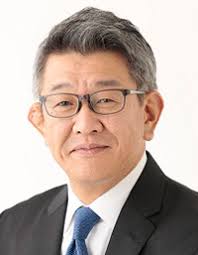
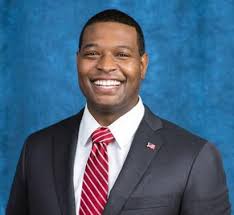
MICHAEL REGAN
Head of the Environmental Protection Agency, Cabinet position
Michael Regan has been North Carolina’s top environmental regulator for the past four years, and now he’ll head the Environmental Protection Agency. In fact, Regan started his career at the EPA but left in 2008 to work at the Environmental Defense Fund, where he eventually served as a vice president for U.S. climate and energy.
Regan captured the national limelight earlier this year when he successfully negotiated a multibillion-dollar deal with Duke Energy, long one of the most powerful corporations in North Carolina, to clean a toxic byproduct that results from burning coal at power stations. A staunch supporter of environmental justice, Regan’s nomination is Biden’s recognition of the environmental challenges and threats faced by ethnic minority and economically struggling communities. In North Carolina, Regan chairs the subcommittee on environmental justice for a task force focusing on racial inequality.
His counterpart in Japan will be Ministry of the Environment (MoE) minister Koizumi.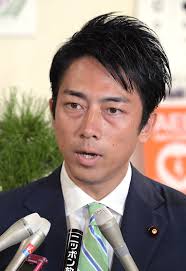
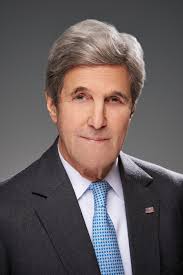
JOHN KERRY
Climate envoy, new Cabinet-level position
Previously serving in the Obama Administration as Secretary of State (2013-2017), John Kerry will act as Biden’s international climate envoy. Kerry played a key role in negotiating the Paris climate accord in December 2015 and which went into effect in November 2016. Since President Trump pulled the U.S. out of the Paris deal last month, Kerry’s first move will be to make sure the U.S. rejoins.
When Kerry ran the State Department Gina McCarthy led the EPA. In addition to the Paris agreement, Kerry joined forces with McCarthy to draw up other international climate agreements, such as one in 2016 to phase out hydrofluorocarbons, (HFCs), the greenhouse gases found in almost all air conditioners. Of the agreement, Kerry described it as “the single most important step that we could take at this moment to limit the warming of our planet”.
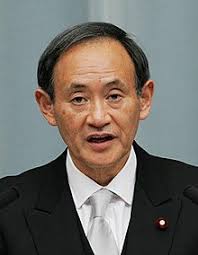
We expect Kerry may interface globally with heads of government and foreign ministers so we expect his counterparts in Japan to be Prime Minister Suga (first picture on the right) and Foreign Minister Motegi.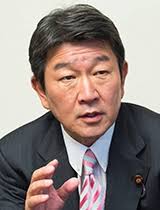
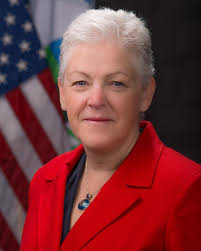
GINA MCCARTHY
National Climate Advisor, new position, not clear if it will be Cabinet-level or not
Arguably the most important person on Biden’s climate team is Gina McCarthy, a former Environmental Protection Agency Administrator (2013-2017). She’ll be Biden’s national climate adviser, and will work in tandem with former Secretary of State John Kerry, who will serve as Biden’s international climate envoy. Thanks to her proximity to the White House, while Kerry will be jet-setting, McCarthy will likely have Biden’s ear and act as the top Cabinet voice on climate.
Both McCarthy and Kerry are from the traditionally liberal Massachusetts. They worked together in the Obama administration to reduce GHG emissions. McCarthy pushed through the Clean Power Plan, the first national standard to reduce CO2 from power plants, but the Supreme Court and President Trump later blocked those rules from taking effect. Now McCarthy is back to restart her agenda. She’ll want to restore the Obama-era regulations and international agreements undone by Trump, but this time we expect her to go much further in terms of aggressive policy making.
We expect McCarthy’s counterpart in Japan will also likely be MoE minister Koizumi.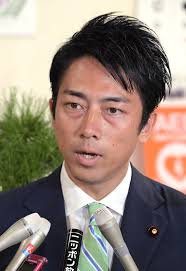
DATA
Japan Oil Price
Crude Imports Vs Processed Crude
Monthly Oil Import Volume (Mbpd)
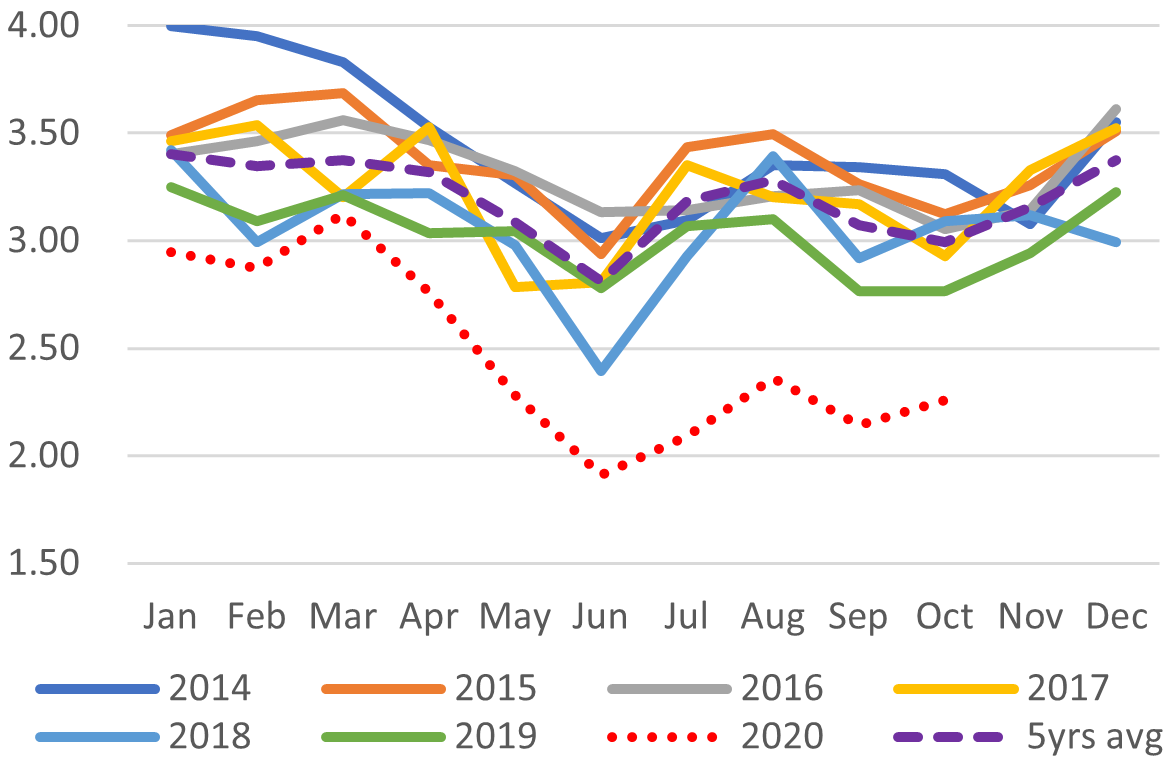
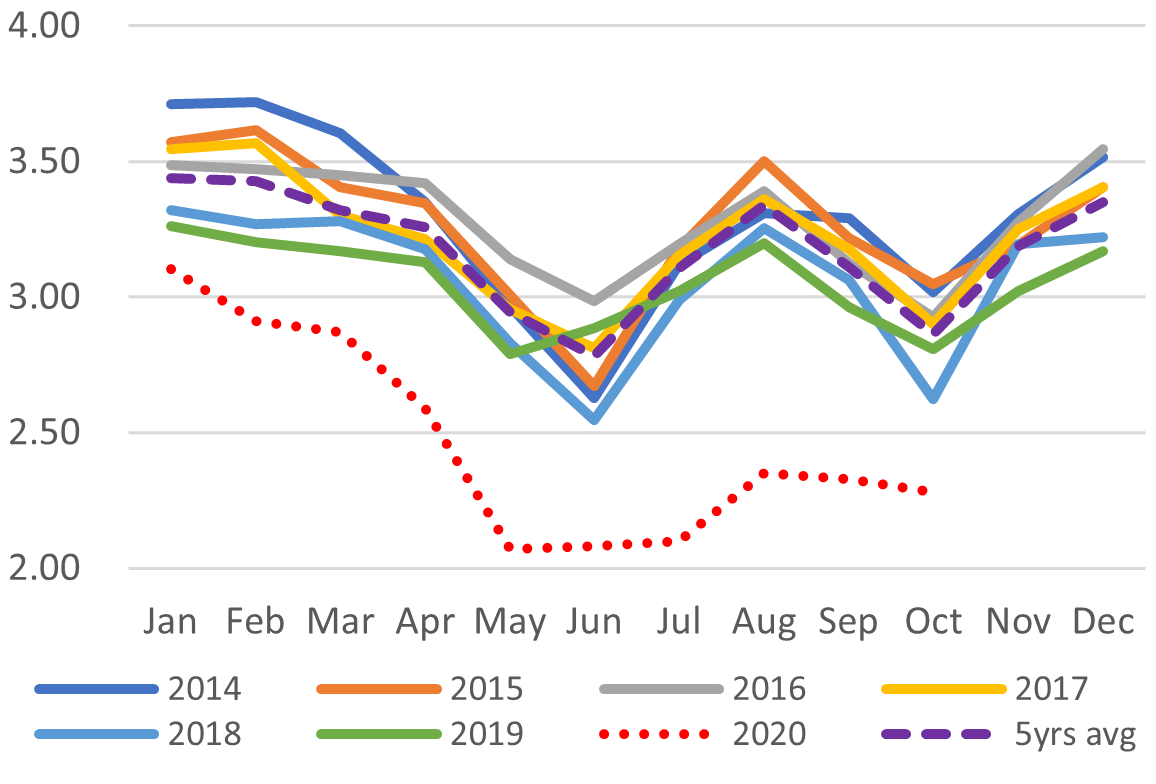
Monthly Crude Processed (Mbpd)
Domestic Fuel Sales
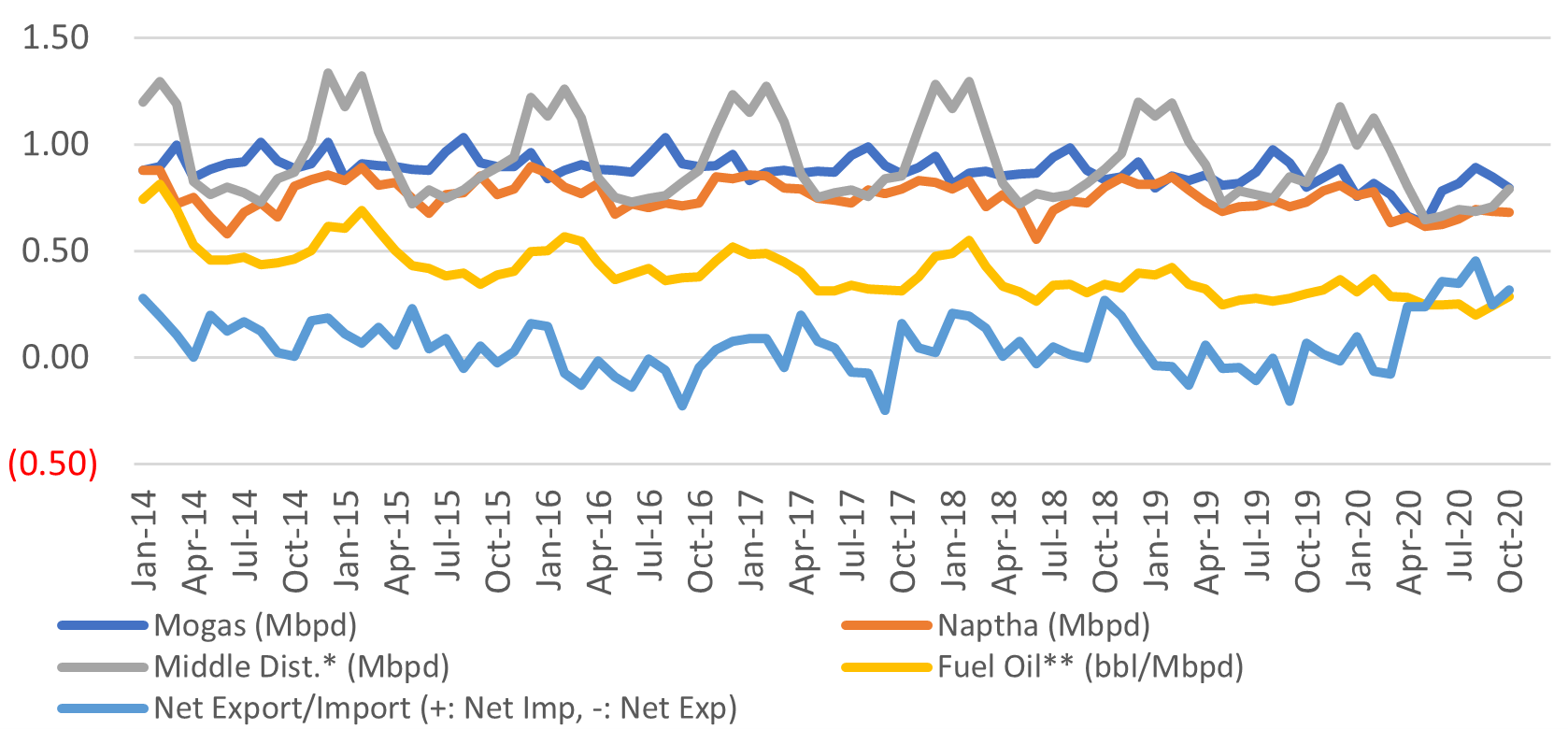
SOURCES: the Ministry of Economy, Trade, and Industry (METI), Ministry of Finance, and the Petroleum Association of Japan
Japan LNG Price
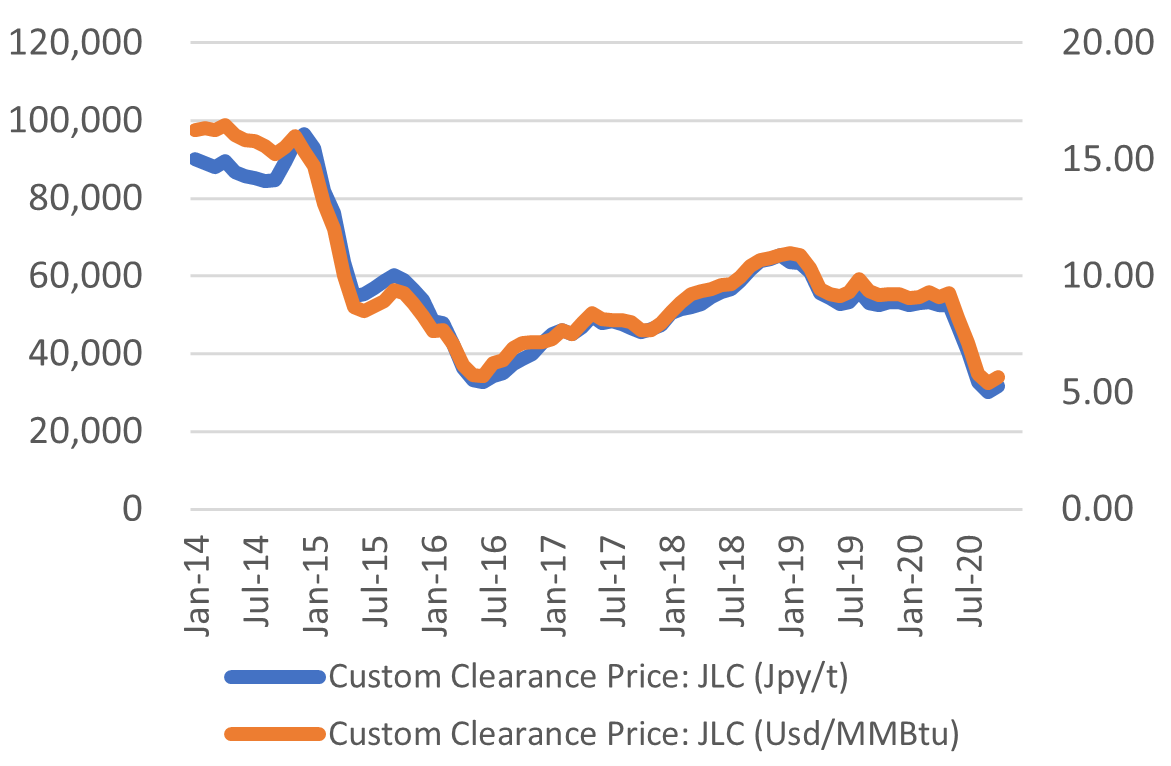
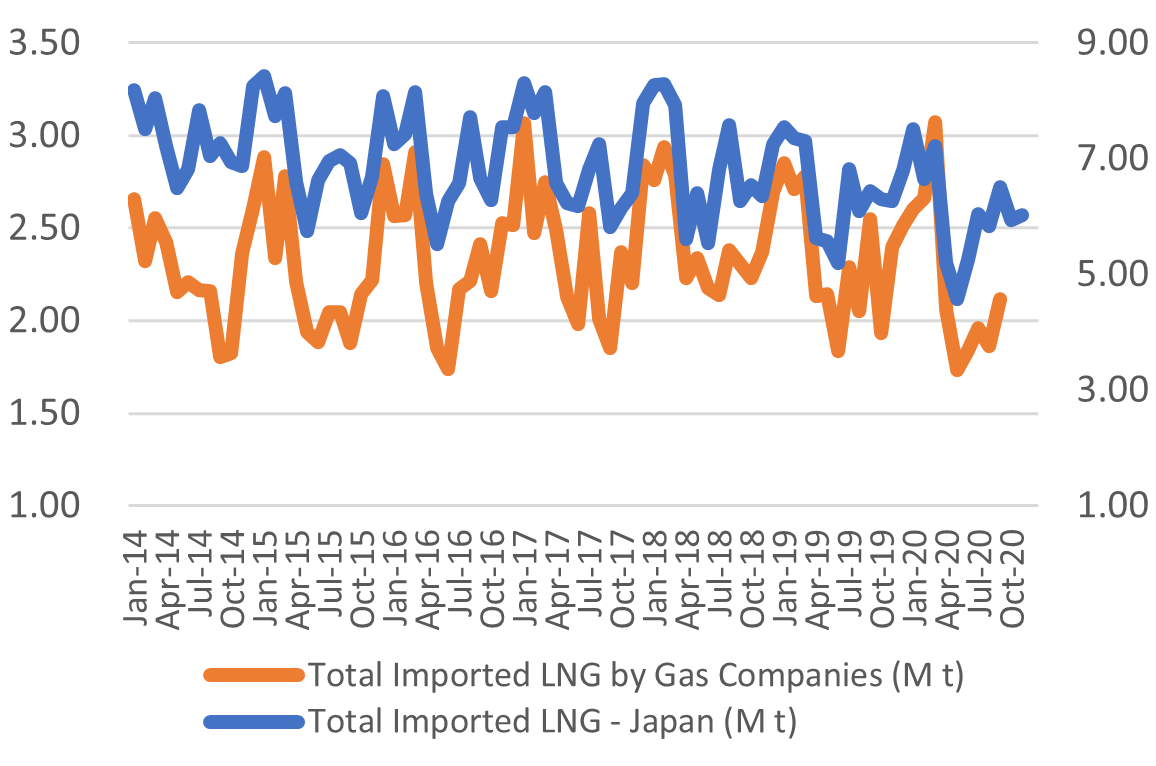
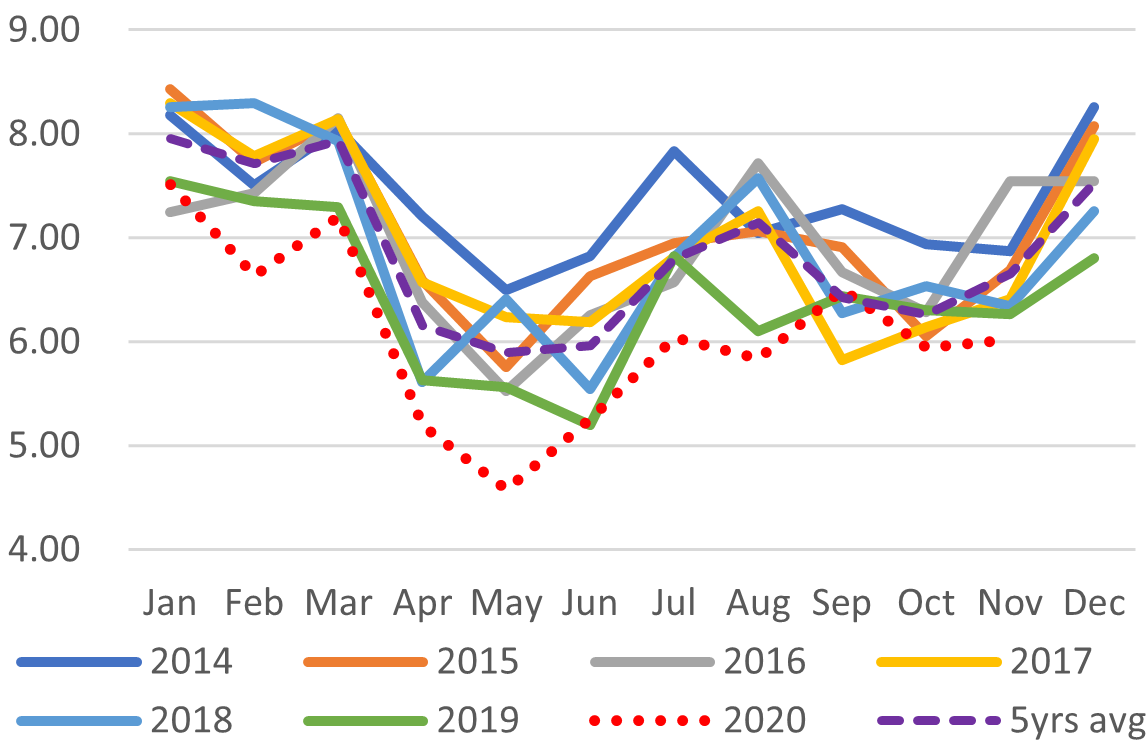
LNG Imports: Japan Total vs Gas Utilities Only
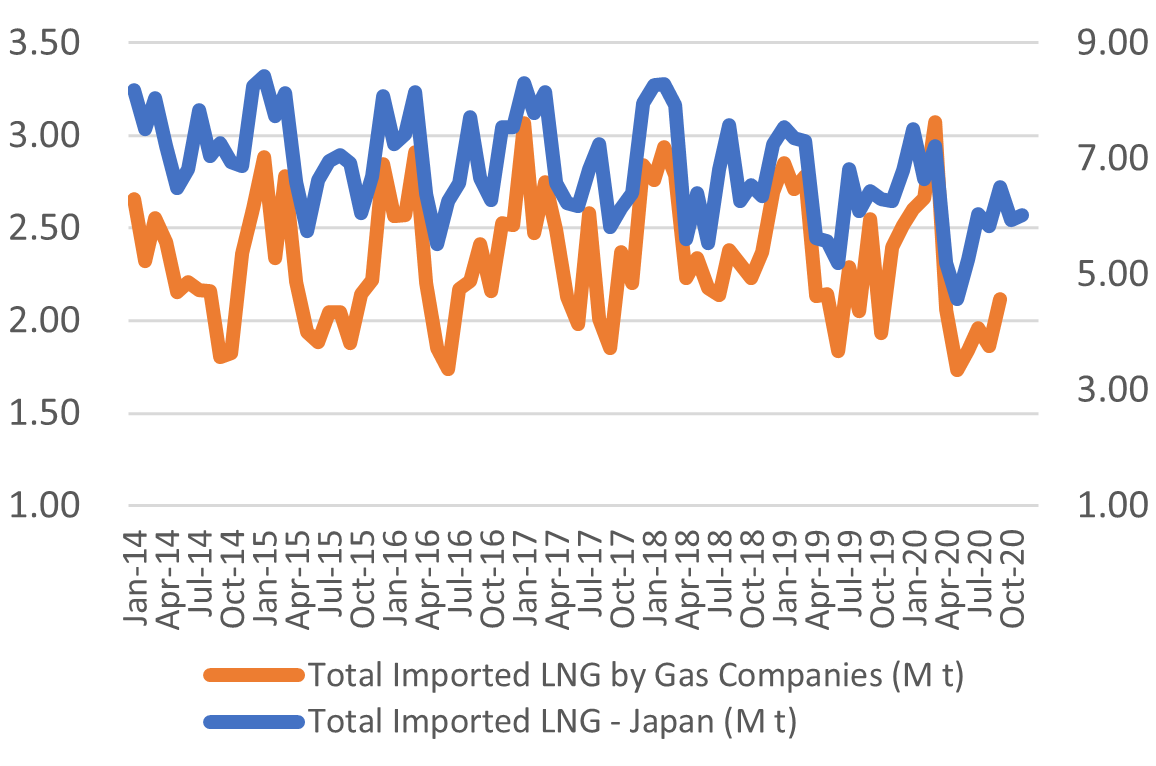
Total LNG Imports (M t)
LNG Imports by Gas Firms Only (M t)
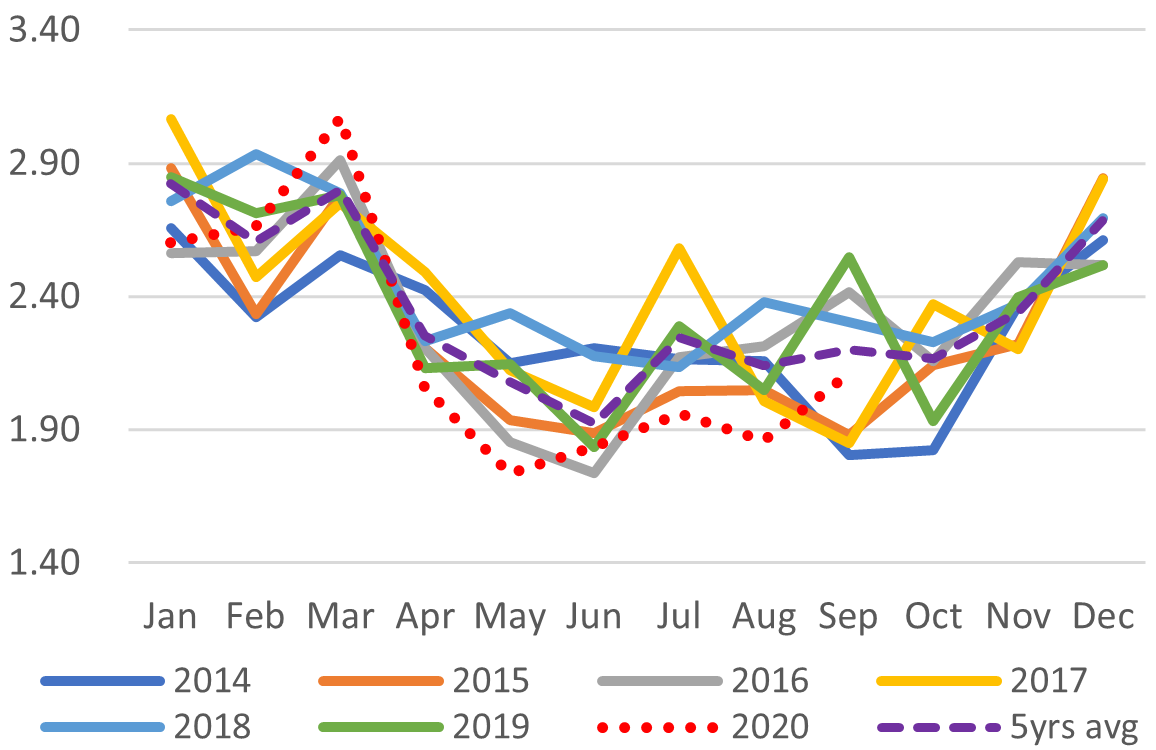
City Gas Sales – Total (M m3)
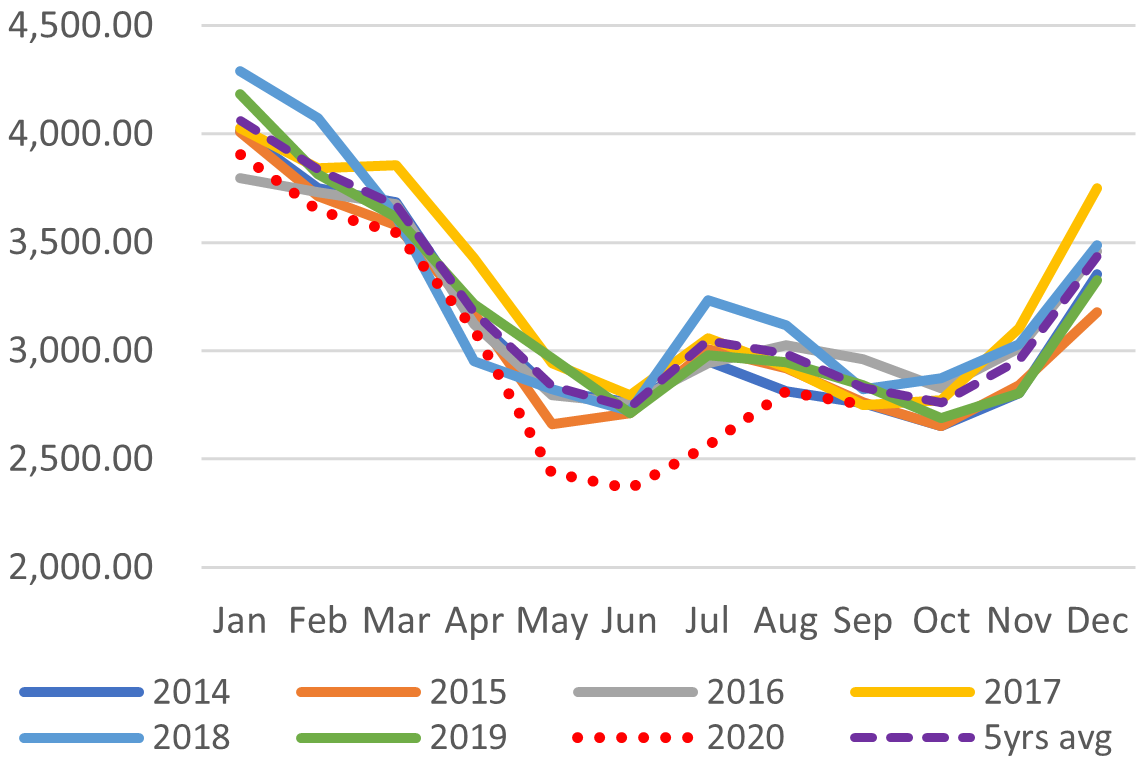
City Gas Sales by Sector (M m3)
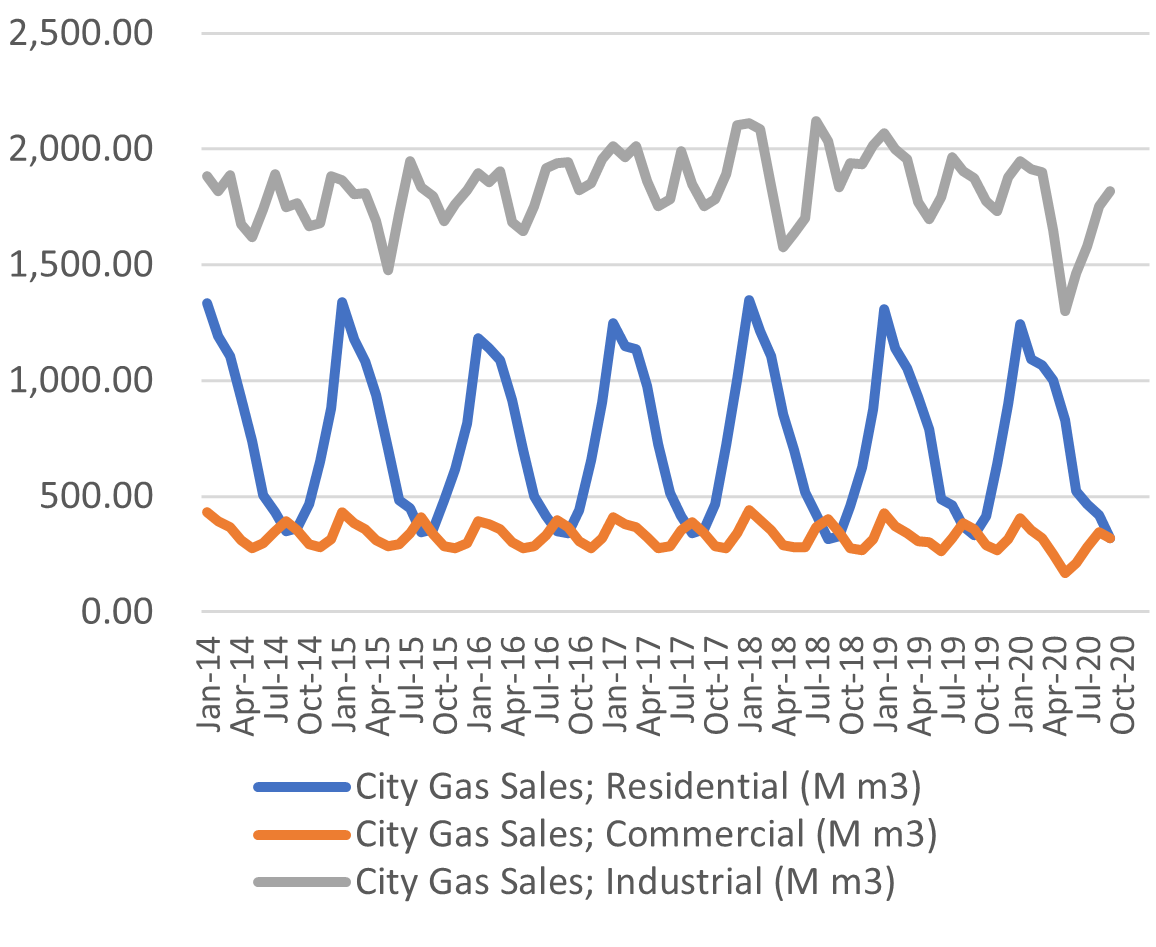
SOURCES: the Ministry of Economy, Trade, and Industry (METI),
Ministry of Finance
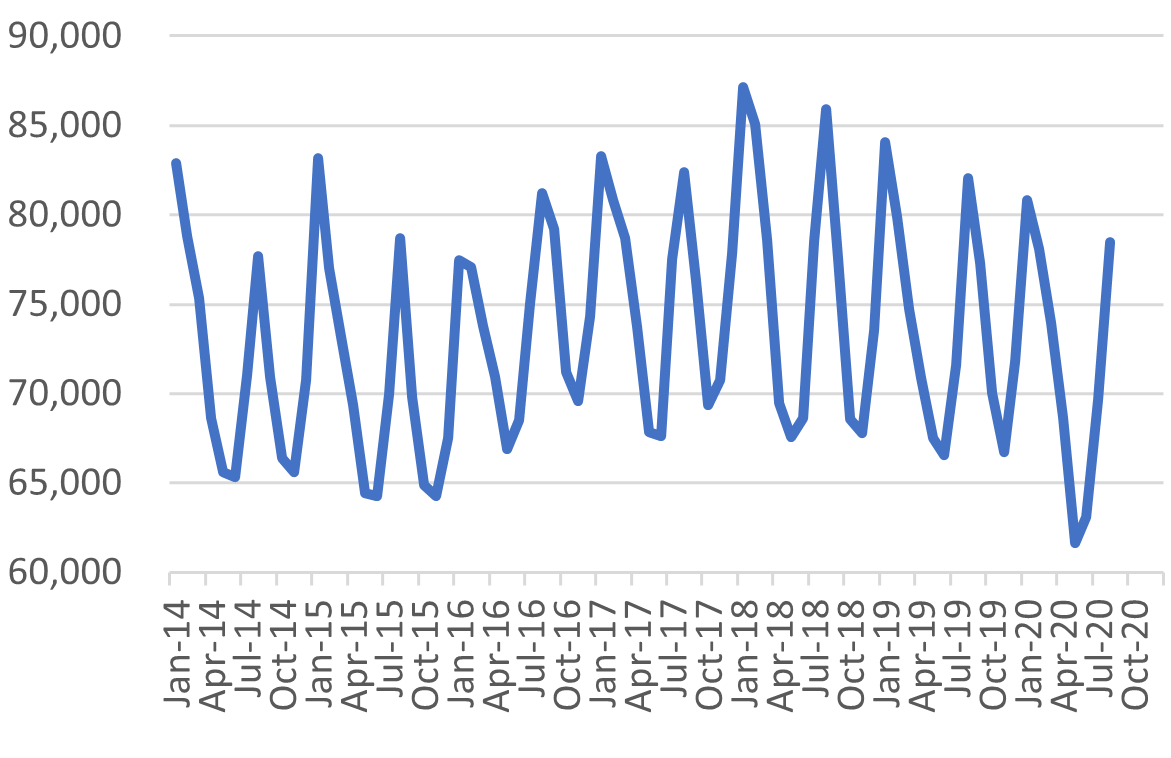
Japan Total Power Demand (GWh)
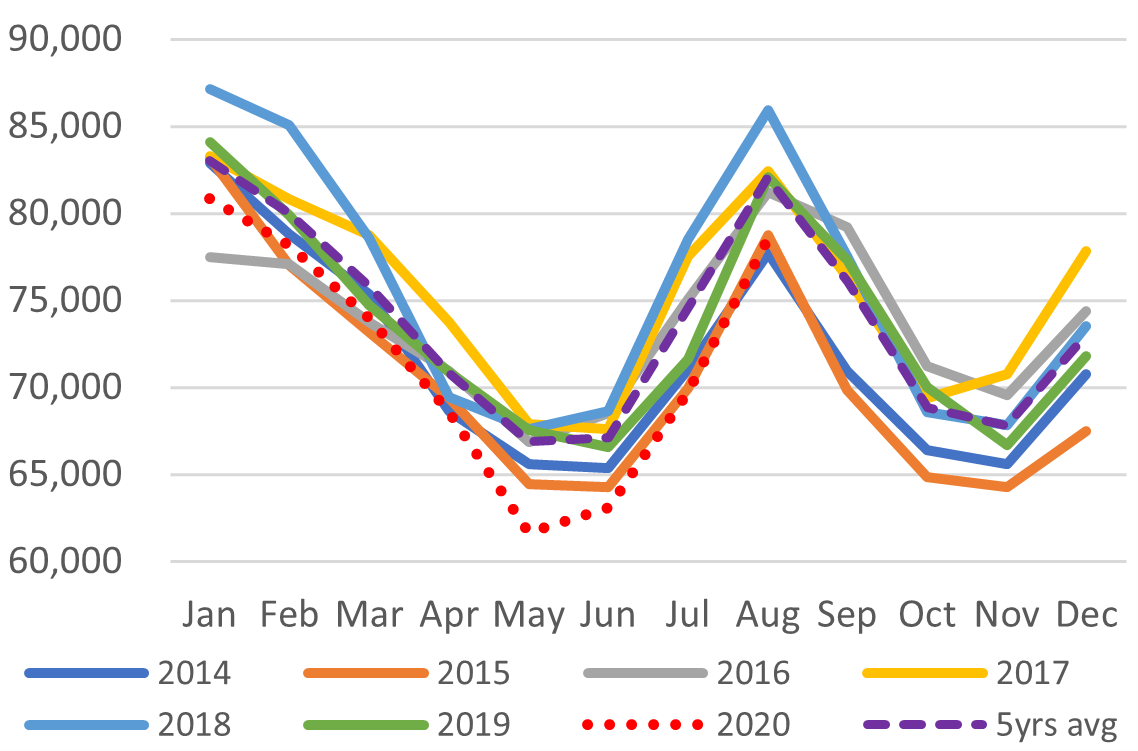
Current Vs Historical Demand (GWh)
Day-Ahead Spot Electricity Prices
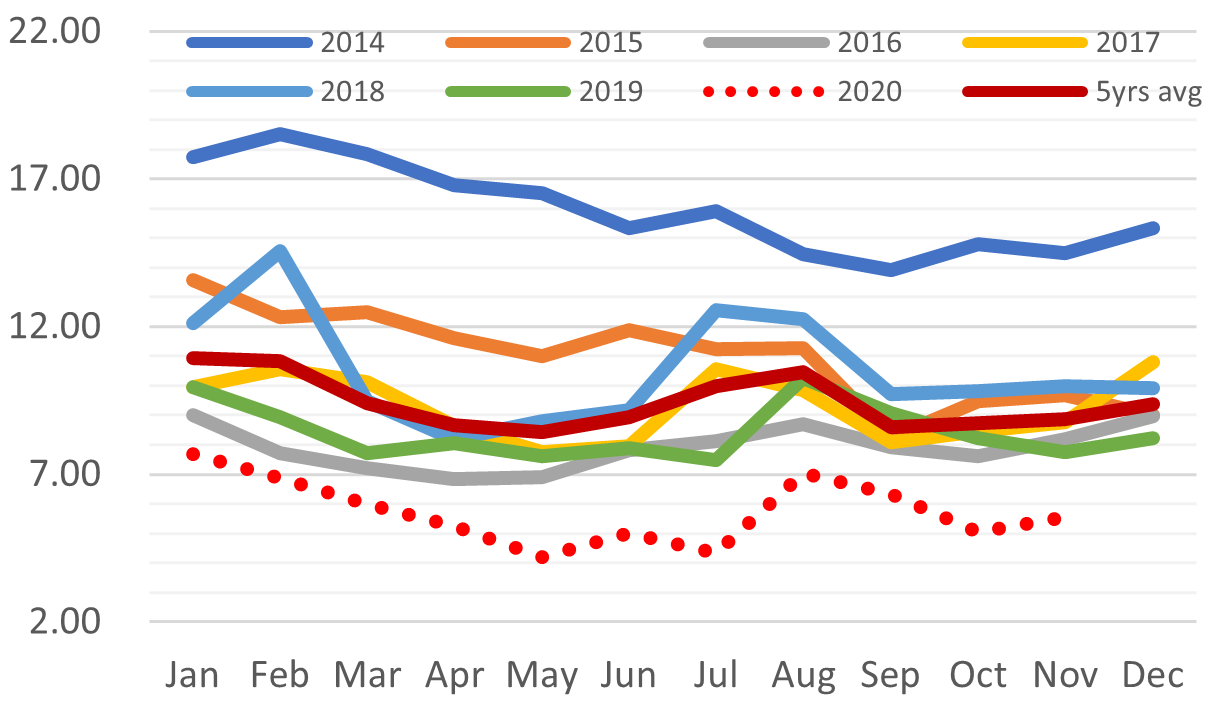
Day-Ahead Vs Day Time Vs Peak Time
LNG Imports by Electricity Utilities
LNG Stockpiles of Electricity Utilities
SOURCES: the Ministry of Economy, Trade, and Industry (METI), and the Japan Electric Power Exchange