Panasonic to produce EV batteries from recycled nickel
Hitachi to launch high-capacity multi-power EV charger
ELECTRICITY MARKETS
Power retailer rankings see big changes as some firms exit sector
TEPCO in next consultation phase for Akita offshore wind farm
Tohoku Electric delays restart of Onagawa NPP unit for sixth time
TEPCO to develop corporate rooftop solar PPAs across APAC
Kyocera starts onsite PPA electricity supply service
Mayor declines to green light NPP waste site survey
erex and Taiheiyo Cement tested co-firing of woody biomass
Itochu Enex to start electricity self-consignment service for retailer
OIL, GAS & MINING
JOGMEC will source nickel from Canada
Saudi-sourced crude oil imports surge to seven-month high
LNG imports from Australia stay flat, but its share falls
LNG stocks fall to most in 18 months but govt says not concerned
ANALYSIS
LARGE-SCALE STORAGE BATTERY PROJECTS ON THE RISE TO MANAGE POWER CURTAILMENTS
Japan has seen a spate of storage battery projects as many take advantage of state subsidies. The goal is to encourage the installation of batteries to help the grid cope with more weather-reliant generation in the system. The government promises tax breaks for battery manufacturers. This should lower the cost of installing the technology, but even at today’s prices and amid uncertain supply, the capacity of applications of grid-scale battery projects in Japan is unprecedented.
JAPAN BETS BIG ON CARBON CAPTURE IN THE ASIA PACIFIC
Energy demand in Asia Pacific will continue to grow and this will be met mostly by fossil fuels. The region must manage its emitted CO2 emissions. Carbon capture is the only feasible solution. Japan is determined to lead the carbon capture and storage (CCS) effort. Still, there are many obstacles, including an absence of common rules and regulations among interested nations in Asia-Pacific, as well as a lack of proven business history and how to transform CCS into a profitable business.
New Energy and Industrial Technology Development Organization
kWh
Kilowatt hours (electricity generation volume)
TEPCO
Tokyo Electric Power Company
FIT
Feed-in Tariff
KEPCO
Kansai Electric Power Company
FIP
Feed-in Premium
EPCO
Electric Power Company
SAF
Sustainable Aviation Fuel
JCC
Japan Crude Cocktail
NPP
Nuclear power plant
JKM
Japan Korea Market, the Platt’s LNG benchmark
JOGMEC
Japan Organization for Metals and Energy Security
CCUS
Carbon Capture, Utilization and Storage
OCCTO
Organization for Cross-regional Coordination of Transmission Operators
NRA
Nuclear Regulation Authority
GX
Green Transformation
NEWS: ENERGY TRANSITION & POLICY
Tokyo GX Week:Hydrogen Energy Ministerial Meeting (H2EM2023)
(Japan NRG, Sept 25)
METI and NEDO hosted the event.
In workshops, speakers from around the world presented and discussed the status of hydrogen industry development and their thoughts on four themes: global status in 2023; H2 standards & certifications; safety regulations; and finance.
The main idea to arise from the conference was that international collaboration is crucial in order to accelerate supply, demand, and adoption of clean hydrogen. To lower import/ export barriers, countries need to speak the same industry language – for example, to precisely define what is “green hydrogen”, and implement universal rules for standards and safety regulations.
SIDE DEVELOPMENT: Third Asia CCUS Network Forum in Hiroshima (Japan NRG, Sept 27)
METI Minister Nishimura started the conference. In attendance were ministers from Australia, Brunei, Indonesia, Laos, Malaysia, Singapore, the U.S., and Vietnam.
There were several sessions on CCS opportunities in Southeast Asia: 1) CCS policies and roadmap; 2) global CCS trends and the goals of the Southeast Asia CCS Accelerator; and 3) CO2 storage activities in Asia.
Recently, many countries have started to focus more on CCS and CCUS. Shipping CO2 from countries where storage space is limited to those countries that are more suitable for storage is seen as cost efficient.
Since CCUS is suitable for industries that are heavily reliant on fossil fuels, such as cement and steel, countries will have to accelerate global partnerships.
SIDE DEVELOPMENT: Fifth International Conference on Carbon Recycling (Japan NRG, Sept 27)
The conference was held in Hiroshima. In the first session, panelists discussed the role of carbon recycled fuel (e-fuel), including e-methane. The advantage of e-fuel is that it can utilize existing infrastructure. However, the negative aspects of e-fuels are high production costs and determining exactly how much to blend.
Production of e-fuels in locations where the cost is low, and then transporting it to international markets, is seen as a viable cost-efficient strategy.
Collaboration among different industries, especially among non-energy related companies, can help participants to find new insights.
The second panel discussion focused mainly on R&D and the technical aspects of carbon recycling. Featured were new technologies and products that are near to commercialization or still under development.
GX Week: IEA sees ammonia as potentially dominant hydrogen carrier
(Japan NRG, Sept 29)
Ammonia is expected to account for 80% of hydrogen carriers by 2030, the IEA said at the International Conference on Fuel Ammonia.
By 2030, about 16 million tons of hydrogen will be traded internationally.
Non-carbon GHGs emissions from combustion, and a lack of hydrogen/ammonia standards are challenges to establish ammonia as a major energy source, IEA said.
As a first step, the IEA proposes an A-to-E scale to classify hydrogen according to its emissions during production. It will announce details at a later date.
CONTEXT: Executives from shipping, glass manufacturing and other sectors expressed their forecasts for ammonia to replace fossil fuels, adding that there is no perfect solution yet. Yokoyama Tsutomu, the executive officer of NYK Line, said ammonia was the best candidate for marine fuel because the industries have the experience with its handling, but safety issues remain. “We do not rule out any solutions (such as hydrogen, synthetic methane and methanol),” Yokoyama said.
TAKEAWAY: Ammonia’s main advantage is that it can be used as fuel for power generation and fuel cells, without converting it back to hydrogen gas as required for other hydrogen carriers methylcyclohexane (MCH) and liquid hydrogen. Meanwhile, ENEOS is developing the direct use of MCH for power generation. The research is conducted in Australia, which has abundant renewables capacity to produce green hydrogen.
SIDE DEVELOPMENT: Mitsubishi mulls converting oil and gas terminal to handle ammonia imports (Reuters, Sept 29)
Mitsubishi is considering whether to convert the oil and gas Namikata terminal near Hiroshima into a fuel ammonia import hub, the company said at the GX conference.
The plan envisages receiving ammonia from potential production projects in Lake Charles and Corpus Christi on the Gulf of Mexico coast in Texas.
Mitsubishi signed an MoU with Swiss-based Proman to study a potential clean ammonia production project in Lake Charles.
Takao Hariya, head of Mitsubishi’s next-gen fuels and petroleum division, told the conference that if successful, the Lake Charles project could be built by the late 2020s and potentially supply ammonia to Japan.
CONTEXT: Japan views ammonia, which could be also produced as a derivative of hydrogen, as a key element in its net zero transition, and is pursuing this together with coal in a test project which it hopes to expand nationwide. The terminal currently handles approximately 1 million tons of LPG and other petroleum products brought in from Japan and overseas.
The Corpus Christi project, which Mitsubishi earlier agreed to study with its partners, targets first production by 2030 and would have an annual production capacity of up to 10 million tons of clean ammonia. Mitsubishi said its existing LPG storage capacity at the Namikata terminal could be converted to ammonia tanks, allowing the facility to handle around 1 mmt of ammonia annually by 2030.
Japan and Central Asian nations to cooperate on decarbonization
(Government statement, Sept 26)
Japan and five Central Asian nations (Kazakhstan, Kyrgyzstan, Tajikistan, Turkmenistan, and Uzbekistan) announced cooperation to reduce GHG emissions. They established a cabinet-level dialogue to initiate specific projects.
Their joint efforts will focus on promoting renewable energy adoption and improving the efficiency of aging gas-fired power plants. They pledged to work together on technological and financial initiatives to achieve net-zero GHG emissions by 2050.
Additionally, they plan to support the Joint Crediting Mechanism, which reduces emissions in developing countries using Japanese decarbonization technologies.
TAKEAWAY: This initiative is meant to mitigate the influence of Russia and China in the region, while opening new opportunities for Japanese trading firms. Central Asia holds a pivotal position in China’s Belt and Road project.
Chubu Electric files suit against JFTC, seeks to cancel cartel charges
(Company statement, Sept 25)
Chubu Electric and its subsidiary Chubu Electric Power Miraiz appealed to Tokyo District Court to cancel the Japan Fair Trade Commission’s determination that the companies formed price cartels.
Chubu Electric was ordered to pay a penalty of ¥20 billion, while Chubu Electric Power Miraiz faced a ¥7.37 billion fine.
On Sept 28, Chugoku Electric also filed a cancellation lawsuit in Tokyo District Court. Kyushu Electric said in July that it also plans to appeal the cartel charges but has not yet filed the suit.
CONTEXT: On March 30, the JFTC charged Chubu Electric, Chubu Electric Power Miraiz, Chugoku Electric, and Kyushu Electric with cartel behavior regarding power rates. In total the companies were hit with just over ¥100 billion in fines.
TAKEAWAY: In the past, the Court has revoked some JFTC decisions on bid rigging. However, when it comes to cartel cases, the Court has supported all JFTC decisions. The utilities face an uphill battle to have their charges overturned.
Osaka Gas upgrades flagship hydrogen manufacturing equipment
(Japan NRG, Sept 27)
Osaka Gas released HYSERVE-300X, an upgraded model of HYSERVE-300, which separates hydrogen from mixed gases including propane and biogas.
The equipment generates 99.999%-pure hydrogen at 300 Nm3/ hour, which is a world record. The hydrogen can be used for just about any applications including fuel cells that require 99.99% pure hydrogen.
HYSERVE-300X is about 40% smaller than its predecessor, occupying a floor space of 8×3 meters. Its price also dropped, although Osaka Gas did not elaborate. Similar equipment typically costs over ¥10 million.
TAKEAWAY: Osaka Gas has addressed rising demand for small and economical hydrogen manufacturing equipment at research laboratories. However, selling the equipment is not easy since many users would be installing the hydrogen equipment for the first time, and it requires lengthy processes for them to obtain building facility approvals.
Osaka Gas and Taiwan’s state-owned oil and gas company, CPC Corp, will study introducing synthetic methane, hydrogen, ammonia and biogas solutions in Taiwan.
The two companies have collaborated in LNG procurement; Osaka Gas provided engineering support for construction and operation of LNG terminals in Taiwan.
Toa Oil to remove pilot hydrogen facilities as future of MCH uncertain
(Japan NRG, Sept 27)
Toa Oil of Idemitsu Kosan group will remove hydrogen gas turbines and other equipment for testing hydrogen-fueled power generation at its Keihin Rinkai refinery. Decommissioning work will start in Sept.
From 2020, the Keihin Rinkai refinery has been a test site for processing and using hydrogen from Brunei. METI minister Nishimura visited the site 10 months ago.
CONTEXT: The refinery was a part of a national project to test an international hydrogen supply chain that converts hydrogen into methylcyclohexane (MCH) at overseas sites, shipping the MCH to Japan, then converting the MCH back to hydrogen and using it for power generation.
METI and Malaysia’s Petronas in talks for overseas storage of captured CO2
(Nikkei, Sept 24)
METI and JOGMEC are in discussions with Malaysia regarding CCS. The goal is to transport and store CO2 overseas; target launch is 2028.
Japan plans to transport CO2 via ships to gas fields owned by Malaysia’s state-owned oil company, Petronas, off the Malay Peninsula.
CONTEXT: The global community is working on rules to classify CO2 captured and stored underground as a “reduction” in emissions. Japan views CCS as a means to ensure stable power supply and achieve decarbonization. Major investments are needed for CCS, and collaboration between Japan and Malaysia is seen as a model for CO2 transport in Asia, with European countries exploring similar possibilities.
Panasonic to produce EV batteries from recycled nickel
(Nikkei, Sept 28)
Panasonic Energy plans to recycle minerals from used EV batteries to make new ones, aiming to create a system where cells with reclaimed materials have equivalent cost and performance.
While focusing on nickel, which accounts for about 90% of the cathode material in Panasonic’s EV batteries, the company will also consider cobalt and lithium recycling.
The company will work with the U.S.-based startup Redwood Materials to extract high-purity nickel from used batteries by 2028, at its facility in the state of Nevada.
CONTEXT: Redwood collects materials from defective batteries and scraps produced at a Panasonic Energy plant in the state and supplies the materials to other companies.
SIDE DEVELOPMENT: Panasonic partners with NMG for li-ion battery supply chain in North America (Company statement, Sept 22)
Panasonic Energy will work with Nouveau Monde Graphite (NMG) in Canada to strengthen the li-ion battery supply chain for EVs in North America.
The companies will produce anodes for li-ion batteries using Canadian carbon neutral graphite that has less environmental impact.
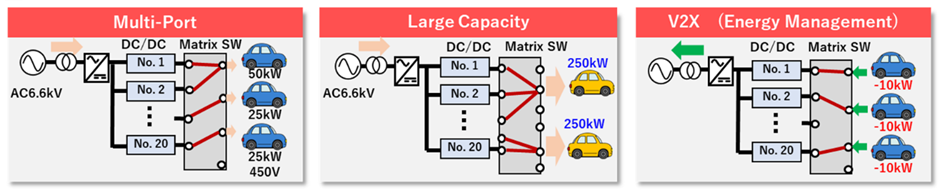
Hitachi to launch high-capacity multi-power EV charger
(Company statement, Sept 19)
Hitachi Industrial Products will launch a large-capacity, multi-port EV charger from October. It can charge multiple vehicles simultaneously.
The bidirectional charge/ discharge control technology mitigates grid congestion.
Terra Motors to install 1,000 EVs charging stations in Tokyo, surpassing gas stations
(Nikkei Asia, Sept 27)
Terra Motors plans 1,000 fast charging EV stations in Tokyo in the next 18 months.
The plan involves equipping Terra’s charging hubs with ultrafast 150 kW chargers, initially at appliance retail stores and then post offices and supermarkets.
Terra Motors, which is a startup, secured ¥4 billion from investors and state subsidies to help cover the ¥10 billion total needed for building the charging stations.
CONTEXT: Japan has around 30,287 EV charging stations, with the goal to increase that to 300,000 by 2030.
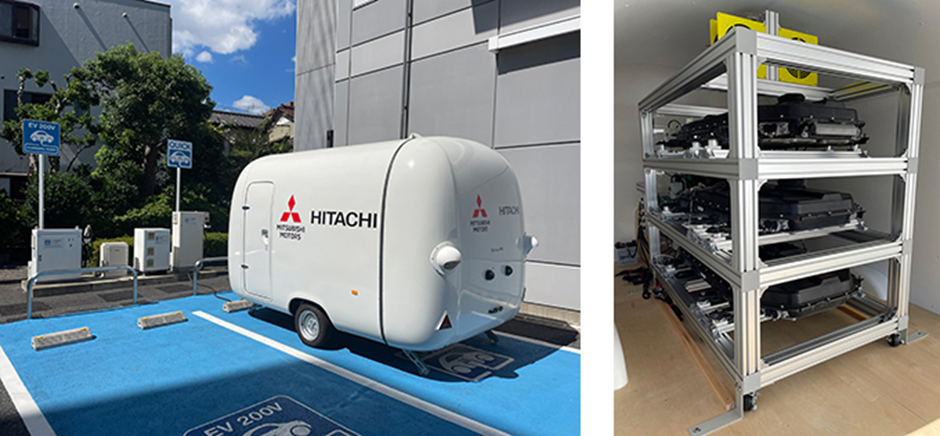
Mitsubishi Motors and Hitachi testing used car batteries as storage battery
(Company statement, Sept 25)
Mitsubishi Motors and Hitachi began testing EV’s used lithium-ion batteries to see if they can be used as mobile storage batteries in case of an emergency. The used car batteries are installed in a Battery Cube container, connected with a V2X (vehicle-to-X) system from Hitachi Building Systems.
Their goal is to commercialize this used battery business by FY2024.
Mitsubishi and Hitachi are also exploring how to integrate an energy management system to connect the Battery Cube with solar panels.
Left: Supply electricity from Battery Cube / Right: Used batteries inside the Battery Cube
Japan, Indonesian companies to study palm oil waste-derived biomethane
(Japan NRG, Sept 25)
Osaka Gas, JGC Holdings, INPEX and Indonesia’s PT Perusahaan Gas Negara (PGN) will study producing biomethane using palm oil mill effluent (POME), a source of methane emissions. PGN is a subsidiary of the state-run oil company Pertamina.
POME, which is liquid, is fermented at 35°C to generate biogas, which consists of methane and CO2, which are separated. The methane will be supplied to local consumers via PGN pipelines.
The companies plan to start biomethane production in South Sumatra in 2025. Osaka Gas has experience in producing biomethane from household waste.
TAKEAWAY: POME is an ideal biomethane feed as it’s liquid and can be easily fermented compared to household waste. Outside power sources may not be required for temperature control of POME fermentation tanks. Indonesia has abundant POME supplies, a byproduct of palm oil. But disposal of POME residue, after extracting biogas, is yet to be decided.
Mitsui invests in green diesel and aviation fuel production in Portugal
(Company statement, Sept 25)
Mitsu invested in a renewable diesel and sustainable aviation fuel (SAF) production venture with Portugal’s Galp SGPS.
Galp has a 75% stake and Mitsui owns 25%.
It will be built at Galp’s Sines Refinery, with hydrotreated-vegetable oil (HVO) production to begin by late 2025 and commercial operation by 2026.
Hitachi Zosen launches projects to produce LBG and LCO2 in Germany
(Company statement, Sept 25)
Hitachi Zosen Inova (HZI) in Germany plans to produce and sell liquefied biogas (LBG) and liquefied carbon dioxide (LCO2), to be sold as renewable transportation fuel, with GHG reduction certificates.
Production is planned to start in late 2024, aiming to produce 3,700 tons of LBG and 7,500 tons of liquefied CO2 annually.
OCCTO released power supply and demand forecasts for Dec 2023 to March 2024.
Since supply capacity has increased since the last review, it’s expected that a reserve margin of over 5% will be available in all areas nationwide, assuming that winter temperatures are not extremely severe.
During the previous review of the supply-demand situation in March, the margin for power capacity in reserve was estimated at below 5% in January and February for Tokyo, and below that level in January also in Hokkaido and Tohoku.
Power rankings for April saw significant changes, Tokyo Gas returns to the top
(Denki Shimbun, Sept 26)
According to the April electricity demand report compiled by ANRE, Tokyo Gas took the top spot in the new power ranking.
This is the first time since full power retail market deregulation in 2016 that Tokyo Gas, which mainly sells low-voltage electricity, has topped the ranking in April, a month when heating demand is usually low.
The business segment of the market saw many changes in rankings due to contract switching at the start of a new fiscal year (which starts in April).
The sales volume of new market entrants, known as shin denryoku, fell 19.3% MoM to 9,397 GWh. Low-voltage sales fell 18.2%; high-voltage sales were down 18.6%, and special high-voltage sales were down 27.8% in the same period.
March-April was warmer than usual, and demand for air-conditioning was sluggish.
SIDE DEVELOPMENT: New electricity market entrants decreased in April (Denki Shimbun, Sept 26)
The number of new entrants to the electricity retail market, also known as shin denryoku, shrank in April, according to an ANRE report.
While the number of new entrants in March was 666, by April it dropped to 610.
ANRE publishes actual electricity demand several months after the fact, based on monthly reports submitted by power retailers.
TEPCO begins second phase of public consultation for Akita offshore wind farm
(Company statement, Sept 22)
TEPCO Renewable Power began a public consultation, which ends Oct 25, for its methodology to assess environmental impacts for a 390 MW offshore wind farm planned in the Happo-Noshiro coast of Akita Pref.
CONTEXT: The first public consultation of a wind project involves a scoping document, and the second is on specific methods for the environmental impact assessment. The Happo-Noshiro offshore wind farm is a national project whose operators are selected via a public auction that closed on June 30.
CONTEXT: On May 29, JERA and J-Power already finished public consultations on assessment methods. TEPCO Renewable Power is late with its consultations.
Lawmaker Akimoto indicted for alleged offshore wind bribery
(NHK, Sept 27)
Tokyo Prosecutors indicted lawmaker Akimoto Masatoshi for allegedly taking around ¥72 million of funds from the former Japan Wind Development president Tsukawaki Masayuki and leading the parliament debates in favor of JWD.
Akimoto has denied the allegations.
Tohoku Electric’s Onagawa NPP Unit 2 restart delayed for the sixth time
(Jiji Press, Sept 28)
Tohoku Electric will delay the restart of the Onagawa NPP Unit 2 (Miyagi Pref) from the previously anticipated date of Feb 2024 to around May 2024.
This decision was influenced by the postponement of safety measures’ completion date, from Nov 2023 to Feb 2024. This marks the sixth postponement.
The delay means that the expected ¥20 billion reduction in fuel costs in the next fiscal year won’t be achieved. However, the company does not intend to increase electricity rates at the moment.
TAKEAWAY: Onagawa Unit 2 is a boiling water reactor (BWR), the same type as TEPCO’s Fukushima Daiichi NPP. If it is restarted, it’s expected to be the first case of a BWR to resume operation since the Fukushima NPP accident in March 2011. Chugoku Electric’s Shimane NPP Unit 2, also a BWR, is expected to restart next year after several delays.
TEPCO HD to develop corporate rooftop solar PPAs across Asia Pacific
(Company statement, Sept 22)
TEPCO HD and LOGOS Property, a part of ESR Group, set up a rooftop solar PV corporate PPA named LOGOS-TEPCO Renewables Joint Venture (LTJV).
It will operate across the Asia Pacific region to install rooftop solar power generation with a total 100 MW capacity, mainly in warehouses, data centers, and other properties owned by LOGOS and its partners.
LOGOS will utilize its knowledge as a real estate business operator and the properties it manages in countries across Asia Pacific. TEPCO HD will leverage its technological expertise and knowledge in its electricity business.
In the future, both companies seek to explore other renewable energy solutions such as energy storage, wind power, green hydrogen, etc.
Kyocera starts onsite PPA electricity supply service for industry
(Company statement, Sept 28)
Kyocera Corp began an onsite PPA service for industrial clients with zero up-front costs. It will install solar equipment for power buyers without initial investment; when the contract ends the equipment ownership will pass to the client.
Meanwhile, Kyocera will utilize any excess electricity and supply it to other companies.
SIDE DEVELOPMENT: Kyocera launches electric power supply business with solar farms (Company statement, Sept 28)
Electronics manufacturer Kyocera Corp starts joining the electric power supply business using renewable energy. The company purchases electricity generated from solar PVs from its clients and distributes it to Kyocera’s factories, offices, etc
The electricity will come from excess electricity from condominiums, offsite PPA, onsite PPA, and private subscription services. Kyocera manages supply and demand between these energy sources and its customers.
Tsushima mayor won’t accept literature survey for nuclear waste site
(Japan NRG, Sept 28)
Mayor Hitakatsu Naoki of Tsushima City (Nagasaki Pref) refused to accept a “literature survey” for the selection of a nuclear waste site.
Despite the city council’s previous decision in favor of the survey, the mayor cited a lack of public consensus and concerns about reputational damage.
The decision met opposition from local groups, including fisheries operators and tourism-related businesses.
CONTEXT: A “literature survey” is the first step in the selection process for a nuclear waste disposal site, and involves assessing suitability without actual site research. It’s carried out by the Nuclear Waste Management Organization of Japan (NUMO).
TAKEAWAY: Kishida’s govt is pushing to expand nuclear power and selecting nuclear waste disposal sites is crucial. However, since NUMO began to call for candidate sites in 2002, only two small villages in Hokkaido responded positively. Tsushima city’s rejection adds to other episodes in the past, when the possibility of starting the survey seemed to materialize but finished a dead end. These issues won’t see a solution anytime soon, fueling doubts about the feasibility of Kishida’s plans.
erex and Taiheiyo Cement tested co-firing of woody biomass
(Company statement, Sept 28)
erex conducted a co-firing test of wood biomass at its Itoigawa coal thermal power station in Niigata Pref. with Taiheyo Cement. The companies mixed wood pellets from Malaysia for 10 days in September and verified that they could supply electricity stably when the mixture ratio was 10-30%.
The power station has a 149 MW capacity. With the success of this co-firing test, erex will be able to reduce 940,000 tons of CO2 per year.
EDPR to begin building its largest Japanese solar plant this year
(Reuters, Sept 22)
The renewables unit of Portugal’s largest utility, EDP, will start building its largest solar power plant in Japan this year to sell power directly to a company. Its total capacity will be 44 MW.
With the majority of its projects in Europe and North America, EDP Renovaveis is betting on power deals with companies to expand in the Asia-Pacific as it shifts focus from distributed solar installations to large projects. The Asia-Pacific forms about 6.6% of the firm’s total energy portfolio
Itochu Enex to start electricity self-consignment service for retailer
(Company statement, Sept 22)
Itochu Enex inked an agreement with retailer CO-OP Sapporo to develop a self-consignment service using electricity generated from solar PV.
CO-OP Sapporo will own and use solar power stations that Itochu Enex developed, in order to supply renewable electricity to its 108 branches.
The renewable energy from this project will yield 14.13% (18.7 GWh/ year) of CO-OP Sapporo’s entire electricity demand. The company aims for its electricity to be 100% from renewables by 2040.
SIDE DEVELOPMENT: Solar Frontier starts self-consignment service to Yamasaki, first in Kyushu area (Company statement, Sept 26)
Solar Frontier, an Idemitsu group company, and Yamasaki, a packaging company, will develop solar power equipment and self-consignment service in Miyazaki Pref.
Solar Frontier plans to expand its business across Japan.
August spot purchases increased due to intense daily heat
(JEPX statement, Denki Shimbun, Sept 27)
The Japan Electric Power Exchange (JEPX) disclosed activity on the spot market in August, with the average daily bid volume sold finishing at 1,215 GWh, a decrease of 2.3% from the previous month.
The amount of purchased bids increased by 8.2% to 1,155 GWh. Due to the continuous heatwave, buying was particularly strong.
There weren’t any problems with thermal power generation, and supply capacity remained stable, except during the Obon holiday period when demand decreased.
NEWS: OIL, GAS & MINING
JOGMEC will source nickel from Canada
(Company statement, Sept 22)
JOGMEC agreed with Prime Planet Energy & Solutions (PPES) and FPX Nickel to establish a battery supply chain that sources nickel from Canada.
The Baptist mine is about 1000 km north of Vancouver and expected to produce 59,000 tons of nickel annually for 29 years.
PPES is a JV of Toyota (51%) and Panasonic (49%) and launched in April 2020. The company will produce batteries for EVs using nickel sourced from FPX.
CONTEXT: Indonesia is the top nickel producing country, followed by the Philippines. Canada has an estimated 2 million tons of nickel reserves, representing 2% of the world reserves, and ranking seventh globally.
TAKEAWAY: G7 allies seek to lessen their dependence on China for metals and materials that are crucial to clean energy technologies. Toward that goal, last month, Canada and Japan agreed to build sustainable and reliable battery supply chains in the two countries.
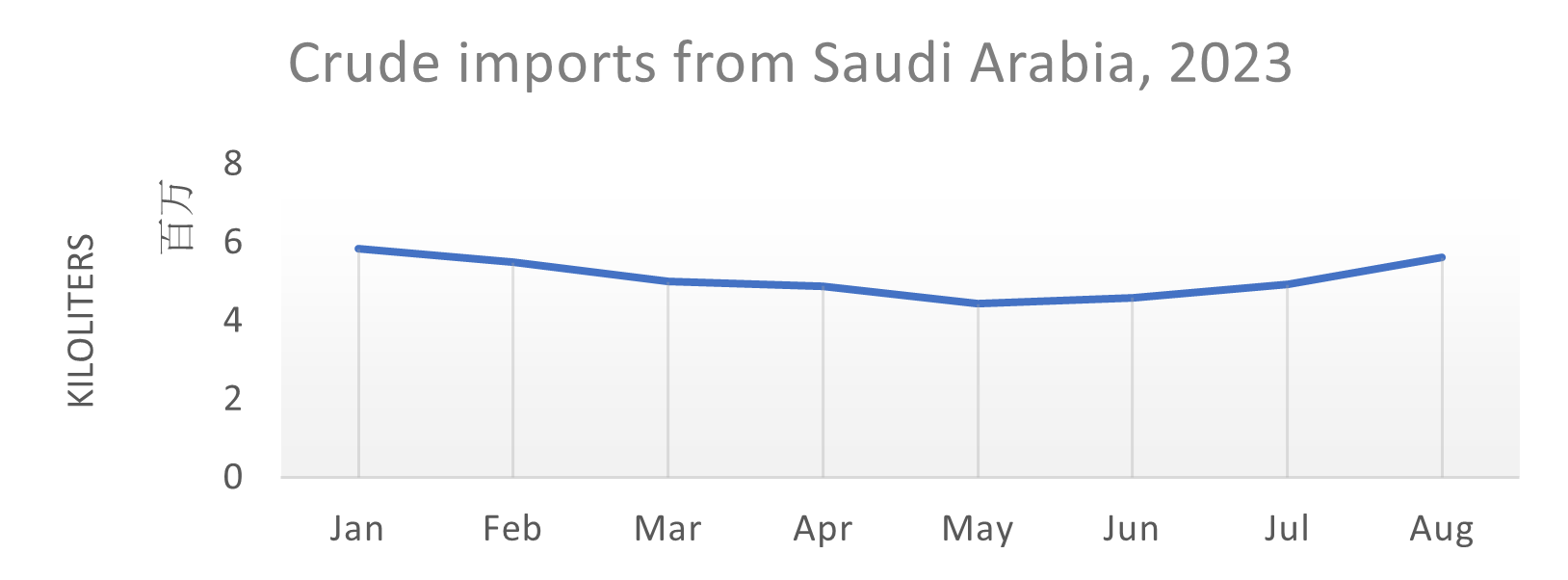
Saudi-sourced sourced crude oil imports surge to seven-month high
(Japan NRG, Sept 29)
Crude oil imports from Saudi Arabia rose to 5.6 million kiloliters (35 million barrels), the highest since January’s 5.8 million kl. Since June, Saudi Arabia has cut output.
Saudi Arabia had a 41% share of Japanese oil imports for the month.
The total crude oil imports were 13.3 million kl, down 3% YoY; while their value was down 25.5% to ¥977 billion.
LNG imports from Australia stay flat, but its share falls
(Japan NRG, Sept 29)
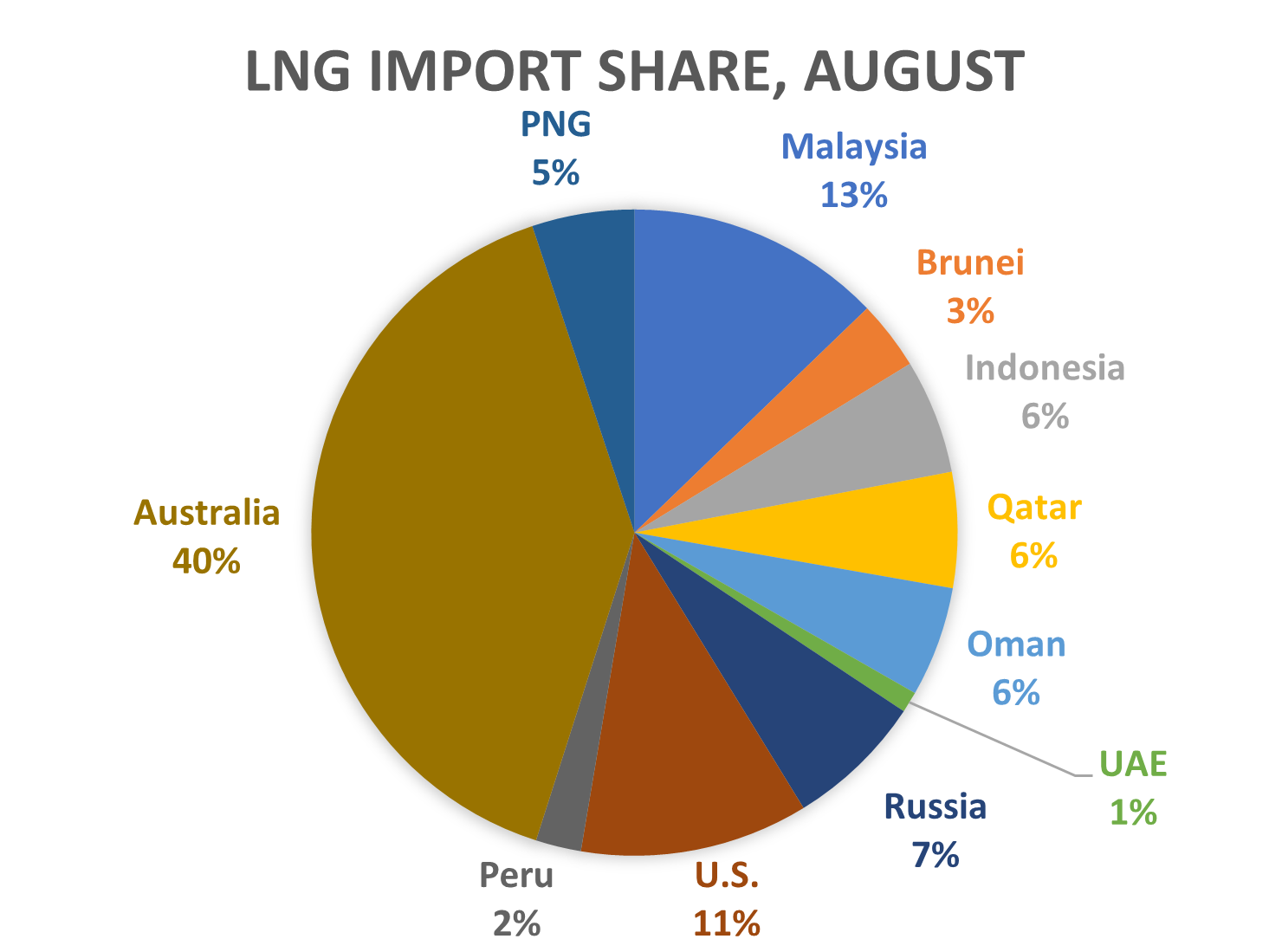
In August, LNG imports from Australia were 2.26 million tons, almost flat from 2.32 million tons in July.
Australian LNG had 40% of Japan’s total LNG imports for the month. Its share was 45.6% in July.
The total August LNG imports were 5.67 million tons, down 9.6% YoY; while their Import value was ¥501 billion, down 29.8%.
LNG stocks fall to 1.56 million tons, lowest in 18 months
(Government data, Sept 27)
LNG stocks of 10 power utilities stood at 1.56 million tons as of Sept 24, down 2% from 1.59 million tons a week earlier. METI first reported the Sept 17 stocks as 1.62 million tons but revised the figure.
The end-September stocks last year were 2.66 million tons. The five-year average for this time of year was 2.06 million tons.
SIDE DEVELOPMENT: Japan Says Securing Enough Fuel for Winter Even as Storage Slips (Bloomberg, Sept 28)
Major Japanese utilities are securing enough fuel to meet winter needs if there is normal winter weather, according to a government assessment. Companies are procuring fuel from the spot market if long-term supply contracts aren’t expected to cover demand.
ANALYSIS
BY CHISAKI WATANABE
Japan Ramps up Large-Scale Storage Battery Projects to Manage Power Curtailment
Japan has seen a spate of storage battery projects announced in recent months. Many seek to take advantage of state subsidies as central and local governments push for more renewables. The goal is to encourage the installation of batteries to help the grid cope with more weather-reliant generation in the system.
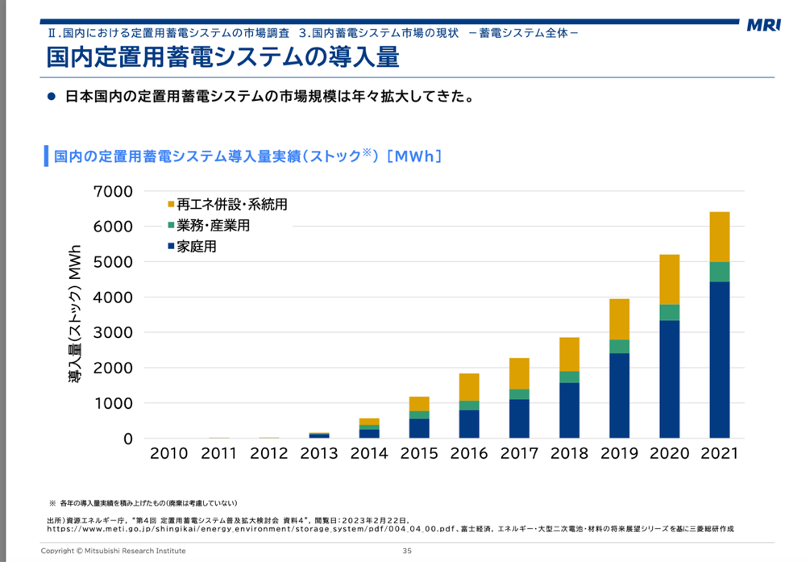
As Japan’s renewables sector expands, and both the Capacity Market and Balancing Market develop, there’s growing demand for grid-scale batteries and onsite units at solar and wind farms. Most existing battery capacity in Japan is residential.
Large-scale battery storage is vital for modern energy systems, enhancing energy grid stability and reliability by storing and releasing excess energy to balance supply and demand. Batteries also facilitate the integration of intermittent energy sources by storing surplus energy during high production periods and releasing it during low production, ensuring a consistent energy supply. All of which can reduce the reliance on fossil fuels.
Keen to ensure that Japan can secure battery capacity as demand for the technology increases, Prime Minister Kishida’s government is promising to introduce tax breaks for battery manufacturers. In the mid-to-long term, this should help to lower the cost of installing the technology at grid and project level. But even at today’s prices and amid uncertain supply, the capacity of applications of grid-scale battery projects in Japan is unprecedented.
Background
Since revisions to the Electricity Business Act in May 2022, large-scale battery systems installed on the grid side can qualify as a power generation business. Along with those built onsite at individual renewable power plants, these batteries are increasingly playing an important role as power curtailment is on the rise.
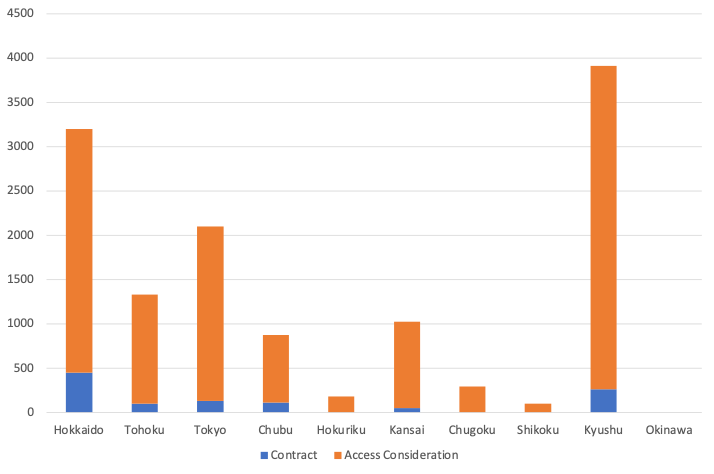
According to METI, grid-scale storage batteries have been rapidly expanding in Japan over the last two years. As of May, grid access applications for about 12 GW in capacity have been submitted to power transmission and distribution companies. That’s not including the grid access applications for 1.1 GW planned capacity that’s still waiting to sign a contract. Hokkaido and Kyushu have had more applications than other areas.
The increase in storage battery deployment follows greater power curtailment frequency in Japan due to solar’s relatively large share in the national energy mix. All regions — except the Kanto region that’s home to Tokyo and surrounding prefectures – are now making forecasts for the rate of power curtailment. Meanwhile, METI says it’s inevitable that curtailment will also start in the Kanto region.
METI plans to come up with additional measures to reduce curtailment by year-end, and the ministry says that storage batteries are among short-term solutions to help resolve the issue, along with electrolyzers used to produce hydrogen and heat pumps since they create demand for electricity. For mid-to long-term solutions, the grid needs to be strengthened and power demand and supply need to be adjusted through a price mechanism.
Applications for grid scale storage batteries (in MW) as of May 2023
Source: METI
Business models and main players
So far, many of the recently announced battery projects are supported by state subsidies. In April, 15 battery projects were chosen as recipients of subsidies – totaling about ¥17 billion – included in METI’s FY2022 supplementary budget; (See a full list at the end of the story).
That announcement followed the ¥13 billion allocated in FY2021’s supplementary budget for new battery installations or electrolyzers to accelerate the deployment of solar and wind power.
Some recipients announced in April include;
A project by Idemitsu, Renova and Nagase, a trading company of chemical products, to set up a 15 MW/ 48 MWh storage battery system at Idemitsu’s former refinery in Himeji city, Hyogo Prefecture. The project received 1.6 billion yen from METI and the system will launch in October 2025. This marks the first grid-scale battery project for both Idemitsu and Renova, a developer of renewable energy projects.
A joint project between JFE Engineering and S.D.L., a wholly owned unit of leasing company Tokyo Century, to build a 2 MW/ 8.4 MWh system. It received ¥188 million in subsidies and will start operations in October 2024. The project will be set up in Kumamoto Prefecture in Kyushu where curtailment is occurring more often, and use an automated energy management system to buy and sell electricity on the wholesale, balancing and capacity markets. JFE Engineering said the project marked its entry into the grid-scale battery business.
At the local level, in September 2022 the Tokyo Metropolitan Government launched its own program to subsidize installations of storage batteries to be connected to the grid in areas covered by Tokyo Electric. In total, Tokyo had allocated a total ¥9.6 billion with a cap of ¥2.5 billion per project. In August, 26 recipients with a total capacity of 171.6 MWh/ 50.5 MW were announced. The recipients are required to sell electricity on the wholesale, balancing and capacity markets, or directly to customers.
Newcomers also include a maker of batteries. NGK Insulator has entered the grid-scale storage battery business, teaming up with Sustech, a Tokyo-based tech company. They plan to start operations by March 2025 using NGK’S NAS batteries, and plan to combine two types of batteries, NAS and lithium-ion, to improve the profitability of battery projects.
Non-Japanese companies also see opportunity. Aquila Capital, a German investment management company, is looking into a battery storage business in Japan, Alexander Lenz, chief executive for Aquila’s Asia Pacific region, told Reuters.
Akaysha Energy of Australia, owned by BlackRock, forged an alliance with Itochu in September to work in the utility-scale energy storage business. The companies said they will develop energy storage plants in Japan as well as overseas, including Australia.
Itochu has other projects in the pipeline. It announced in July a plan to build an energy storage station (20 MW/ 56 MWh) in Fukuoka Prefecture with Tokyu Land Corp. and Tokyo Century. This followed an announcement in June that the trading company will work with Osaka Gas and Tokyo Century for an 11 MW/ 23 MWh battery project in Osaka Prefecture.
Other solutions
Companies are innovating, seeking creative solutions. For example, used EV batteries are seen as a solution for the recycling of batteries that are sufficient for power generation. Itochu said in June that it will partner with Kaneka Solar to set up a 1.9 MW/6 MWh battery project in Hyogo prefecture using old EV batteries.
Another example is Sumitomo’s “EV Battery Station Chitose” that also uses recycled EV batteries. The 6 MW/23 MWh plant in Hokkaido begins operations this year and will trade electricity on the balancing market and capacity market beginning next year. Batteries will be supplied by 4R Energy, Sumitomo’s EV battery recycling venture with Nissan. This will expand the use of old EV batteries, which contain rare metals.
The company plans to develop a total 100 MW of battery projects by March 2027 in areas such as Hokkaido and Kyushu.
In the coming years, demand for storage batteries will continue to rise in Japan. They can provide a quick solution to grid congestion because it’s faster and easier to set up a battery system than build new transmission lines.
However, persistent inflation amid rising energy prices, as well as the weakening of the yen, will increase the cost of imported materials and foreign-made batteries. In this context, Japan will need to take the necessary steps to support and develop its domestic battery production industry, as well as establishing stable and efficient supply chains.
See next page for list of recipients of subsidies for battery projects
Table 1: List of recipients for subsidies (2022 supplementary budget) announced in April 2023
Recipients
Locations
Subsidies (million yen)
1
WWB, Yonden Engineering, Asunaro Aoki Construction , Mitsubishi Electric
Hokkaido
¥1,030
2
DAX
Hokkaido
¥2,500
3
Marubeni
Hokkaido
¥2,500
4
TEPCO, NTT Anode Energy
Gunma
¥187
5
Kurihalant
Chiba
¥201
6
ENEOS
Chiba
¥2,500
7
Sala Energy
Shizuoka
¥1,205
8
NRE-47 Investment
Shiga
¥262
9
Osaka Gas, Itochu, Tokyo Century
Osaka
¥813
10
Idemitsu, Renova, Nagase
Hyogo
¥1,598
11
Shikoku Electric, CHC Japan
Ehime
¥1,138
12
IBeeT (JV between Itochu, Tokyo Century), ReENE (a unit of Tokyu Land)
Fukuoka
¥2,122
13
SB Energy
Saga
¥873
14
Sumitomo Corp., Kyushu Railway, BS Group
Kumamoto
¥231
15
S.D.L. (unit of Tokyo Century), JFE Engineering and its unit Urban Energy Corp, JFE Shoji
Kumamoto
¥188
Source: Sustainable Open Innovation Initiative
ANALYSIS
BY FILIPPO PEDRETTI
Japan Bets Big on Developing Carbon Capture in Asia-Pacific
While the future of the energy transition is inherently uncertain, two things have long been clear to many energy analysts. First, energy demand in Asia Pacific will continue to grow in the coming decades; and second, this demand will almost inevitably be met largely by fossil fuels.
Now, thanks to obligations before the global community we can add a third certainty – Asia Pacific will have to manage its emitted CO2 emissions, finding solutions to capture and store it.
According to the IEA, overall energy demand in Asia Pacific will grow about 3% annually to 2030. Nearly 75% of that increase will be met by fossil fuels because the region’s relatively modest renewable energy expansion is not on course to accommodate rising demand. By 2050, however, that figure could even reach 90%, warns ASEAN’s Center for Energy.
Unless there’s a major course change in renewables, carbon capture is left as the only feasible solution to help Asia reach its CO2 reduction targets. Sensing a tremendous opportunity, Japan is determined to lead the carbon capture and storage (CCS) effort and to foster the creation of an Asia-Pacific CCS market. JOGMEC, which for nearly two decades was tasked with securing oil, gas and mineral supplies for Japan, is now the country’s chief coordinator for these CCS efforts.
Still, there are a number of obstacles that must be contended with. These include an absence of common rules and regulations among interested nations in Asia-Pacific, as well as a lack of proven business history, and challenges in how to transform CCS into a real and profitable business.
Japan’s CCS projects in Asia Pacific
In February, ANRE released its CCS sector roadmap that calls for Japan to establish facilities that can store between 6 to 12 million metric tons per annum (mtpa) of CO2 by 2030. ANRE assesses the cost of isolating, recovering, transporting, and storing a ton of CO2 to be about ¥13,000 to ¥20,000.
One of the industry’s biggest catalysts came in June when state energy company JOGMEC picked seven sites – five in Japan, two abroad – for development as part of the first wave of Japanese CCS projects. These sites are projected to store around 13 mtpa of CO2, of which 30% would then be exported overseas. JOGMEC envisages developing more CCS projects outside Japan to create CO2 storage of 120 to 240 mtpa by 2050. The selection of such advanced CCS projects, which is conducted by a public offering process, is based on the CCS Long-Term Roadmap compiled by METI, with JOGMEC to evaluate their feasibility and alignment with the target of starting CCS operations by 2030.
Founded in 2004, the Japan Organization for Metals and Energy Security (JOGMEC), previously known as Japan Oil, Gas and Metals National Corporation, was originally tasked with ensuring a stable supply of oil, gas, and metals for the country. That mandate widened in 2020 to include CCS; and in 2022, hydrogen and ammonia were added to JOGMEC’s purview. Today, one of JOGMEC’s main goals is to provide technical and financial support in the creation of a CCS market in Asia Pacific.
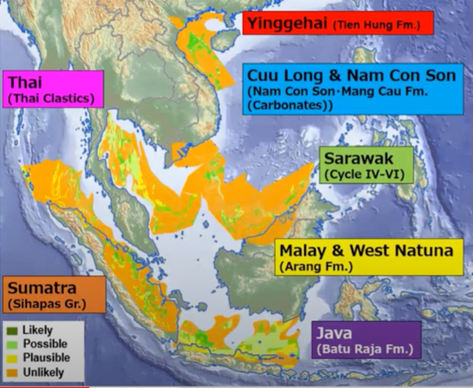
Those CCS research efforts are led by the JOGMEC Technology & Research Center, which is building on decades of experience in the oil and gas industry to conduct geological surveys. First in line are ASEAN countries, where JOGMEC is seeking to identify suitable CO2 storage locations.
In addition, JOGMEC plans to provide equity capital and loan guarantees for CCS-related asset acquisitions, mergers, etc. This financial support – involving other actors such as Japan Bank for International Cooperation – will cover costs for capture or transportation activities. JOGMEC reports that the budget of the current fiscal year is around ¥3 billion for both domestic and international CCS projects.
Geological potential of Southeast Asia
Source: JOGMEC
Agreements regarding CCS were also stipulated during the Asia Zero Emission Community’s meeting in March, confirming the importance placed on this technology. AZEC is a collaborative effort led by Japan and joined by ten other Asia-Pacific countries to accelerate the energy transition and address the challenges of reducing carbon emissions in the region. AZEC promotes decarbonization, most notably hydrogen, ammonia, and CCS projects, while recognizing the unique circumstances and challenges faced by Asian countries.
At the March meeting, JOGMEC and PetroVietnam agreed to develop CCS/CCUS, building on surveys and assessments that were launched in November 2022. This collaboration extends an existing partnership in upstream oil and gas development and CO2 enhanced oil recovery in Vietnam.
In Indonesia, JOGMEC, Japan Petroleum Exploration (JAPEX) and PT Pertamina plan to cooperate on a CO2 injection field test at the Sukowati oil field. The test will evaluate CO2 injection using the Huff & Puff method for enhanced oil recovery (EOR) and carbon storage.
Further abroad, one of the overseas Advanced CCS Projects selected by JOGMEC is in Australia where Mitsubishi Corp, Nippon Steel, and ExxonMobil Asia Pacific are working on plans to annually sequester 2 million metric tons of CO2. The focus is to serve the needs of steel plants in the cities of Nagoya and Yokkaichi (Japan).
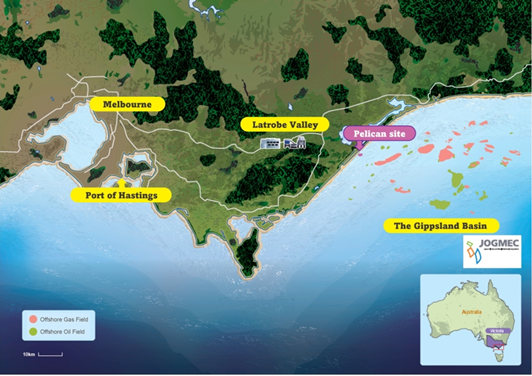
In Western Australia, Mitsui is involved in a CCS feasibility study, exploring low carbon ammonia production and CO2 storage in depleted gas fields. Also in Australia, JOGMEC is contributing to the CarbonNet CCS project, partnering with the State of Victoria to store 5 million tons of CO2 per year for 25 years.
Location for the CarbonNet project
Source: JOGMEC
Malaysia is the site of another overseas Advanced CCS Project. Mitsui is leading the Offshore Malay CCS project, planning to utilize depleted oil and gas fields and saline aquifers off the east coast of the Malay Peninsula. The goal is to store about 2 million metric tons of CO2 annually, sourced from various industries in Japan. METI and JOGMEC were also in talks with Malaysia’s Petronas to store CO2 captured from Japanese factories and power plants underground. An MoU was signed on Sept 27 at the Asia CCUS conference in Hiroshima, aiming to transport and store CO2 in Petronas’ gas fields off the Malay Peninsula as soon as 2028.
Lastly, also in Malaysia, JOGMEC, Petronas, and JX Nippon Oil & Gas Exploration are researching the development of high CO2 gas fields, using CCS technology, with a possible goal of exporting hydrogen to Japan.
Longing for profits and a legal framework
Currently, CCS is not a revenue-generating sector. Since financial institutions prioritize proven technologies and business models with established cash flows, ensuring the reliability of these projects is crucial to obtaining financing. Securing multiple revenue streams is essential to gain international investments, government subsidies, and financial instruments such as insurance to mitigate risks.
Promoting the Joint Crediting Mechanism (JCM) is seen as a way to generate revenue for CCS projects. Initially focused on providing decarbonization technologies to developing nations, expanding the JCM to encompass projects that span multiple countries, including industrialized economies, are being considered to meet the demands of CCS projects. JOGMEC advocates for a state-backed carbon credit system to support CCS.
Effective regulation is key to make these technologies impactful in reducing emissions. Among the Southeast Asian countries under consideration for potential CCS sites, only Indonesia and one state in Malaysia have established the necessary CCS-specific legal and regulatory frameworks.
Governments in the region must also establish regulations for geological surveys, drilling, injection, and monitoring to ensure CCS’ long-term reliability and positive environmental and social impact. Japan’s joint efforts with Australia and Southeast Asian nations envision unified CCS technology rules, signaling a collective determination to expedite facility construction and reduce costs.
Competition from China
Nevertheless, there has been strong criticism from certain quarters, such as from the influential magazine Sentaku, which said that JOGMEC’s rapid expansion into an unfamiliar territory like CCS raises concerns about potentially accumulating problematic assets. The belief that CCS is a silver bullet for decarbonization is also met with skepticism by many environmental activists, as operational CCS projects worldwide are few and the technology poses significant risks, such as trouble with injecting CO2 underground and carbon leakage.
Sentaku believes a significant motivation behind JOGMEC’s expansion is to protect METI’s interests in its main areas, such as oil, gas, coal and manufacturing industries. METI’s initiatives primarily focus on the procurement and utilization of CO2, which keeps fossil fueled energy systems alive. This, of course, causes consternation among activists.
Meanwhile, there’s a geopolitical aspect to this issue. China has made significant progress in CCS, demonstrating capabilities in designing and implementing large-scale projects. So, if Japan doesn’t succeed in bringing CCS to Southeast Asia, then China could possibly do so, further cementing its influence in the region.
Japan has repeatedly stated, especially at recent G7 and AZEC meetings, that the path to decarbonization in Asia cannot mirror that of western industrialized countries because it’s not feasible to abruptly eliminate fossil fuels energy systems that are newly built and prevalent in the region. In other words, the Asian path to CO2 reduction and zero emissions seems likely to differ from the one proposed by the EU and the U.S.
GLOBAL VIEW
BY JOHN VAROLI
Below are some of last week’s most important international energy developments monitored by the Japan NRG team because of their potential to impact energy supply and demand, as well as prices. We see the following as relevant to Japanese and international energy investors.
Italy/ Natural gas
Italy is in talks with Bavaria to supply gas and hydrogen, and it also aims to sell energy to Austria and Hungary. Italy seeks to be an energy gateway between Africa and Europe, as EU members seek to reduce dependence on Russian gas.
Germany/ LNG
Utility Uniper negotiated a deal for U.S. LNG supply that goes to “the very late 2030s”. Overall, German and European LNG demand is forecasted to grow over that period. Uniper also seeks opportunities in regas terminals in Germany.
India/ Clean energy
British International Investment, a state finance institution in the UK, plans to invest about $1 billion in India’s climate-related projects by 2026. Last year, BII invested over $300 million in India in climate finance, renewable energy, and electric mobility. Its current portfolio in India is valued at $2.2 billion with investment in over 290 businesses.
Morocco/ EV batteries
China’s CNGR Advanced Material will invest $2 billion to build a cathode materials plant in Morocco to supply the U.S. and European battery markets. Morocco is a free trade partner of the U.S. and it has 70% of the world’s phosphate reserves, a key ingredient in the cheaper, lower-range batteries in which China dominates.
Nigeria/ Oil
Nigeria has secured a total of $13 billion in investment commitments in its oil and gas sector from major international energy companies, including ExxonMobil, Shell, and TotalEnergies.
Philippines/ Geothermal power
Energy Development Corp (Lopez Group) will invest $1.1 billion in geothermal energy over the next three years, and will drill 40 new wells, many on the main island of Leyte. EDC operates more than 60% of the country’s geothermal generating capacity, accounting for about 1.19 GW of the company’s total 1.5 GW of renewables capacity.
Poland/ Nuclear power
Westinghouse and Bechtel agreed to build Poland’s first nuclear power plant. It will consist of up to six reactors across that would generate as much as 9 GW of energy. Poland needs nuclear power to transition from coal, which accounts for 69% of its national energy mix.
Russia/ Fuel ban
Russia made some changes to its fuel export ban including lifting restrictions on fuel used as bunkering and diesel with high sulfur. However, the indefinite Russian ban on all types of gasoline and high-quality diesel remains in place.
Russia/ Oil sales
Russia is selling oil at about $80 per barrel, about $20 above the G7 price cap, traders say, as tight global oil markets help Moscow. This situation reflects output cuts in mid-July by OPEC+ producers, including Saudi Arabia and Russia.
Saudi Arabia
The country signed an agreement with Greece to link their power grids, eventually aiming to supply Europe with clean energy. The new company will be called Saudi Greek Interconnection.
U.S./ LNG
Sempra won federal approval for LNG export expansion on the Texas Gulf Coast. Phase 1 of the $13 billion Port Arthur project is already under construction. With approval for Phase 2 now, the facility can increase output from 13 mmt/ year to 26 million mmt/ year.
UK/ Oil and gas
The govt approved one of its biggest new oil and gas projects in years, saying energy security is a priority. Equinor’s North Sea Rosebank field is due to start output in 2026/27. Recently, PM Rishi Sunak watered down plans for the UK’s 2050 net zero emissions target.
2023 EVENTS CALENDAR
A selection of domestic and international events we believe will have an impact on Japanese energy
ASEAN-Japan summit to mark 50 years of cooperation
Last market trading day (December 30)
Disclaimer
This communication has been prepared for information purposes only, is confidential and may be legally privileged. This is a subscription-only service and is directed at those who have expressly asked K.K. Yuri Group or one of its representatives to be added to the mailing list. This document may not be onwardly circulated or reproduced without prior written consent from Yuri Group, which retains all copyright to the content of this report.
Yuri Group is not registered as an investment advisor in any jurisdiction. Our research and all the content express our opinions, which are generally based on available public information, field studies and own analysis. Content is limited to general comment upon general political, economic and market issues, asset classes and types of investments. The report and all of its content does not constitute a recommendation or solicitation to buy, sell, subscribe for or underwrite any product or physical commodity, or a financial instrument.
The information contained in this report is obtained from sources believed to be reliable and in good faith. No representation or warranty is made that it is accurate or complete. Opinions and views expressed are subject to change without notice, as are prices and availability, which are indicative only. There is no obligation to notify recipients of any changes to this data or to do so in the future. No responsibility is accepted for the use of or reliance on the information provided. In no circumstances will Yuri Group be liable for any indirect or direct loss, or consequential loss or damages arising from the use of, any inability to use, or any inaccuracy in the information.