Japan NRG sat down with Kuremura Masuo, director of the Aerospace and Defense Industry Division at the Manufacturing Industries Bureau, METI, to discuss the latest energy issues and outlook. Mr. Kuremura explained Japan’s strategy on clean fuels for transport, the technology in next-gen aviation, and which countries and companies the government works with.
Final approval of the new Basic Energy Plan will be on the agenda before the Diet elections scheduled before September. The existing Plan foreshadowed a greater emphasis on renewable energy. The new (7th) edition will cover a period up to three years shy of the end of this decade. While METI will likely extend the horizon of the new edition to at least 2035, the main trajectory will survive any changes with the country’s 2030 and 2050 commitments due to remain in place.
ASIA ENERGY VIEW
A wrap of top energy news that impacts other Asian countries.
EVENTS SCHEDULE
A selection of events to keep an eye on in 2024.
JAPAN NRG WEEKLY
PUBLISHER K. K. Yuri Group
Editorial Team Yuriy Humber (Editor-in-Chief) John Varoli (Senior Editor, Americas) Mayumi Watanabe (Japan) Wilfried Goossens (Events, global) Kyoko Fukuda (Japan) Magdalena Osumi (Japan Filippo Pedretti (Japan) Tim Young (Japan)
METI and the Ministry of Land, Infrastructure, Transport and Tourism wrote a draft framework for managing stakeholder interests in EEZ offshore wind projects.
They suggested setting up a stakeholder council for each project to ensure maritime safety and protect the ocean environment.
The council will comprise the national govt, project operator, fishing community, academia, and the municipalities and relevant organizations.
The national govt will centralize negotiations with the fishing community.
The project operators are required to monitor and report environmental impact analysis to the council after they obtain licenses. The govt plans two types of license – 1) provisional, and 2) formal.
PricewaterhouseCoopers issued a report on Japan’s hydrogen market. The report focuses on the domestic hydrogen market, including hydrogen production, conversion to ammonia or liquefied hydrogen, transportation, reconversion to hydrogen, and storage. The market size for these processes is projected to expand to ¥520 billion by 2030 and ¥5.12 trillion by 2050.
Production accounts for the largest share, reaching ¥350 billion in 2030 and ¥3.35 trillion in 2050. Profit margins by 2050 are expected to be 19% for production, 29% for transportation, and 36% for conversion/storage, increasing downstream.
By 2050, the share of gray hydrogen derived from fossil fuels with CO2 emissions during production is expected to drop 42 percentage points to 5%. Blue hydrogen that removes CO2 during production is expected to rise 4 points to 30%. Green hydrogen derived from renewable energy is anticipated to increase 39 points to 65%.
Iwate Pref plans to designate “red zones”, or areas unsuitable for wind power projects, to protect rare species of animals.
Such areas will cover up to 40% of local woodlands as the rule will apply to areas within 1 km from the habitat of rare animals like the Japanese golden eagle.
CONTEXT: The plan was unveiled after an Iwate govt meeting on Jan 18 to discuss the proposal for a 168 MW project by Renova in Morioka City. The decision stems from concerns over communities’ dissatisfaction with results of environmental studies for wind projects. Given the favorable wind conditions, Iwate is popular among firms seeking to build wind farms.
TAKEAWAY: Renova’s proposal has apparently contributed to the decision to tighten rules on zoning for wind power generation. In Feb 2023, Renova’s proposal, which included several area options, was harshly criticized by Iwate’s governor on the grounds that the firm failed to include several areas specified in laws on protection of natural resources in its initial report, and failed to assess the environmental impact on the area for the project.
Sapporo City and Hokkaido Pref govts have made a joint proposal to the Financial Services Agency (FSA) to set special business zones in the city and elsewhere in Hokkaido to attract energy transition businesses and investors from overseas.
Sapporo’s proposal includes creating special zones to promote SAF, hydrogen, offshore wind, storage batteries, next gen semiconductors, power and hydrogen transport, subsea power cable installations and data centers.
Sapporo and Hokkaido proposed to relax some regulations in the zones, Hokkaido governor Suzuki said in a news conference on Jan 24.
CONTEXT: On Jan 16, the FSA has called on municipalities to write proposals to attract domestic and overseas businesses to their jurisdictions. The agency plans to create “special zones for financial and asset management businesses” to implement the municipality initiatives. The special zone proposal deadline is Feb 16.
The MoE decided to include absorption of CO2 by seaweed and seagrass in calculating GHG emissions and absorption. This is a world-first initiative, and around 360,000 tons of absorption from seaweed and seagrass is estimated for FY2022.
CONTEXT: This falls under the framework of Japan’s reporting obligations under the UN Framework Convention on Climate Change. In April 2023, Japan reported 2,300 tons of blue carbon from mangroves in FY2021, but did not measure seaweed and seagrass impact.
MoE, METI in talks on subsea CCS regulations
(Japan NRG, Jan 26)
The MoE and METI are in talks on the subsea CCS regulatory framework, whether to write a separate law for the subsea CCS, or incorporate it into the CCS law proposal to be drafted by METI.
The ministries will make a decision in the next few weeks, before the Cabinet approves the submission of the proposed laws to the Diet possibly in Feb.
CONTEXT: On Jan 19, a MoE panel made a proposal to the MoE Minister on the subsea CCS regulation, reflecting public feedback. The panel suggested a longer licensing period for subsea CCS businesses, instead of the proposed five years. It also said public feedback in the areas affected by the carbon storage should be required before issuing the licenses, and that clear guidelines on monitoring the impacts of subsea CCS are needed. The CCS operators need to watch the overall carbon impacts in the sea, not just leakage.
Thai-Japan CCS project could hold 40 mln tons of CO2 per year: PTTEP
(Japan NRG, Jan 25)
A group of Thai and Japanese companies are forging ahead in developing a carbon capture and storage (CCS) project in Thailand that early indicators could store as much as 40 mln tons of CO2 a year by 2050, said CEO of Thai energy company PTTEP, Montri Rawanchaikul, in an interview during a Rystad Energy webinar.
A seismic survey that involves, from the Japan side INPEX and state-run JOGMEC, is due to start in 2025, the CEO said. The Thai side hopes that Japan passes a law on carbon storage this year and will utilize the legal framework to develop the project.
Montri also appealed for a common global MMV (measuring, monitoring, and verification) framework to help CCS projects move towards commercial reality.
CONTEXT: At the start of January, PTTEP announced the start of a study together with INPEX and JOGMEC, as well as the Thai Department of Mineral Fuels, to realize the Northern Gulf of Thailand CCS Exploration project. The study reviews the subsurface conditions in the Gulf of Thailand and uses experience gained from the PTTEP’s separate CCS initiative at the Arthit gas field.
Sumitomo Corp has invested in Inherit Carbon Solutions, a Norwegian startup that specializes in removing CO2 through biomethane production. The company didn’t state the amount of the investment.
Starting in 2025, with an estimated volume of 2 mln tons per year, Inherit plans to use CO2 geological storage in the Nordic region to create CDR-derived carbon credits.
The partnership will focus on securing storage providers in Europe, North America, and Asia; and to accelerate the development of the CCUS value chain.
CONTEXT: Inherit has already signed sales contracts with companies such as Microsoft. In addition to investing in Inherit, Sumitomo will procure the CDR-derived credits and sell them to other enterprises. Sumitomo has also invested in the U.S.-based startup, Global Thermostat. According to a report in Denki Shimbun, the market for carbon credits issued by utilizing negative emission technologies such as CO2 capture and storage (DACCS) and bioenergy-generated CO2 capture and storage (BECCS) is expected to grow from $2.1 billion to $80 billion in 2030.
ENEOS unveiled its Direct Air Capture device designed to retrieve CO2 directly from the atmosphere. The company is the first in the Asia-Pacific region to install a DAC device manufactured by Swiss startup Climeworks.
Since December, ENEOS has done experimental verification of the device, examining the amount and concentration of CO2 retrieved.
The anticipated daily CO2 retrieval is about 75 kg. The field test is expected to last for more than a year. The company intends to eventually manufacture synthetic fuels using CO2 and hydrogen recovered by the device.
CONTEXT: Climeworks’ DAC system works by adsorbing CO2 from the atmosphere using filters, then heating it to about 100°C to recover the CO2. Heating begins automatically when CO2 accumulates in the filter, and the absorbed CO2 is recovered in a gaseous state at atmospheric pressure. Since the device operates on electricity, using carbon-free power means no CO2 is emitted.
CONTEXT: This is an opinion piece by Suzuki Sachiko, who serves as the climate and energy analyst for Market Forces in Melbourne.
Many Asian companies are providing climate-related information. Yet, disclosures often lack crucial details on financial risks associated with climate change. Diverse international and national reporting standards contribute to the problem.
The International Financial Reporting Standards Foundation has introduced new sustainability disclosure guidelines, with a global baseline for comprehensive climate-related risk and opportunity disclosures.
Japan can lead Asia by making this standard mandatory for listed companies, addressing the undisclosed financial impact of climate stress tests.
Investors can help ensure that companies adhere to the new standard, demanding adequate disclosure.
Mitsubishi HC Capital invested €700 mln (¥110 billion) in Danish renewables producer, European Energy, aiming to expand in Europe.
The Mitsubishi group firm is set to acquire a 20% stake.
CONTEXT: European Energy operates in 28 countries around the world, but mainly in Europe; and has a cumulative development track record of more than 3 GW of renewables and a development and construction pipeline of over 60 GW.
GE Hitachi is developing the Small Modular Reactor (SMR) BWRX-300, and will build the first unit in Canada by 2028, with potential orders from the U.S. and Poland.
Yet, there are concerns about economic viability. A similar project was canceled by NuScale Power in the U.S.
CONTEXT: In 2022, PM Kishida mentioned the potential adoption of SMR into Japan’s energy mix. Since they’re much smaller than large reactors, SMRs reduce construction costs and timeframe thanks to factory manufacturing and on-site assembly. SMRs have a capacity of up to 300 MW per unit, allowing them to be situated in places unsuitable for larger NPPs.
TAKEAWAY: Critics of SMRs point out that some designs use chemically exotic fuels and coolants that may generate toxic waste. Thus, while SMR construction may present advantages in costs, there are still waste disposal and environmental issues. Japan’s nuclear roadmap includes SMRs as one of the technologies to pursue, but it is only one of several reactor options in the national strategy.
Nippon Yusen Kabushiki Kaisha (NYK), Japan Engine Corp, IHI Power Systems and Nihon Shipyard signed contracts to construct the world’s first ammonia-fueled medium gas carrier. Construction is slated for completion in Nov 2026.
The vessel – 40,000 cubic meters in size – will be built by Japan Marine United Corp; Japan Engine Corp will make the main engine that will run on fuel with up to 95% ammonia; and IHI Power Systems will make the auxiliary engine that runs the power generator. The fuel ammonia ratio is 80%.
CONTEXT: The cost is ¥12.3 billion, with the govt financing ¥8.4 billion from the Green Innovation Fund. Last year, based on the findings of this project, the Japanese govt filed an ammonia-fueled ship safety standard proposal to the International Maritime Organization (IMO).
Yamanashi Pref, industrial gas supplier Tomoe Shokai and glass manufacturer Himeji Rika will build a 14.8 MW green hydrogen plant in the company’s quartz glass factory in Tamura City (Fukushima Pref). The plant begins operations in FY2025.
The plant will have a proton exchange membrane (PEM) electrolyzer with a capacity to produce 600 metric tons / year of vehicle-grade 99.97% hydrogen. It will source certified green power from third parties for the electrolysis.
Yamanashi Pref will float a tender for the PEM electrolyzer by the end of March.
The hydrogen will be supplied to Himeji Rika and to other local consumers by truck.
TAKEAWAY: This will be Japan’s second largest green hydrogen plant after the 16 MW PEM Suntory plant in Yamanashi Pref that will come on-stream in early 2025.
Masdar, INPEX, Tokyo Gas, and Osaka Gas will collaborate in a study on e-methane production in Abu Dhabi. Tokyo Gas and Osaka Gas recently joined the initiative, aiming to off-take e-methane equal to 1% of their annual city gas demand.
They’ll study feedstock production, including green hydrogen and CO2 and e-methane production and transportation. The goal is to establish an e-methane supply chain from the UAE.
In Jan 2025, Iwatani Corp and Soma Gas group will launch a field test to supply a mix of hydrogen and LP gas via pipelines to 80 homes in Minamisoma City (Fukushima Pref); the first attempt using legacy gas pipelines.
The hydrogen-LP gas mix ratio has not been decided. They’ll determine the maximum hydrogen ratio without overhauling the pipeline or home systems.
CONTEXT: In Aug 2023, NEDO solicited proposals for hydrogen for regional economic development. The Iwatani-Soma Gas proposal was one of the four chosen.
TAKEAWAY: Each project will receive a NEDO grant of ¥30 million. In return, the project owners are required to commercialize their field tests and present to NEDO a business plan. The other three were building a blue hydrogen supply chain in Mikasa City (Hokkaido), pipeline supply of carbon-free hydrogen in Susono City, and carbon neutral hydrogen production and consumption in the Tohoku region.
PXP unveils solar car test drive data
(Japan NRG, Jan 24)
PXP Corp disclosed data from test drives of a Mitsubishi Motors EV model “i-miev” mounted with its proprietary bendable chalcopyrite solar modules. From a 1 sq/m-sized PV unit, 4.1 kWh/day of power was generated. The modules, placed on the vehicle rooftop, occupied an area of 2 sq/m.
With a power output capacity of 360 watts, the vehicle drove 16 km in one day. Power efficiency was 18%. Lithium ion batteries were used for power storage.
CONTEXT: PXP is developing a tandem-structured perovskite-chalcopyrite (copper-indium-gallium-selenium). In this first test, the car was mounted with 332 pieces of small chalcopyrite modules. The company plans to test modules with perovskite and chalcopyrite layers, which in theory will have a 40% efficiency, in the next phase. Sharp’s bendable silicon module holds the outside lab efficiency world record of 33.7%.
TAKEAWAY: The chalcopyrite modules also recorded 90°C when the car was parked in an area with almost no wind. EVs have a motor that reaches 200°C, as well as power semiconductor and other devices releasing heat. Since a lithium-ion-battery starts to degrade at 80°C, temperature control tech is important.
Nippon Paper Industries will begin sales of fertilizer made from biomass ash to fertilizer manufacturers and retailers this month.
The biomass plants use imported wood chips and palm kernel shells, and local wooden biomass as feedstock.
The company has built a 5,000 metric tons / year fertilizer production capacity at the Yufutsu biomass plant (Hokkaido) and a 300 tons / year capacity in Yatsushiro plant (Kumamoto Pref), and obtained fertilizer supply permits last year.
TAKEAWAY: Biomass is widely recognized as carbon neutral fuel, but there is no general approach on positioning biomass ash in carbon accounting. Like many other biomass power plants in Japan, Nippon Paper previously was disposing of the ash as industrial waste before using it for fertilizer production. The company, however, does not attribute carbon credit to the ash and sells the fertilizer as regular fertilizer.
NEWS: ELECTRICITY MARKETS
Japan launches first long-term decarbonization capacity auction, 4 GW to be offered
(Japan NRG, Jan 26)
On Jan 23, METI launched Japan’s first long-term power decarbonization auction; it is a subsection of the capacity market aimed at promoting new non-fossil fuel projects and securing power supply stability and predictability.
The main part of the bidding process is held from Jan 23 until Jan 30. The total capacity to be offered is 4 GW. The scheme uses the pay-as-bid pricing system.
Unlike the main auction in the capacity market, successful bidders in the long-term decarbonization auction will receive fixed capacity revenue for a period of 20 years. The auction is overseen by OCCTO.
Contract results with the names of bidders and information on allocated capacity will be announced in about three months from Feb 7.
CONTEXT: The new scheme was introduced due to an increase in use of renewables and with the goal to support the construction of new or replacement power plants. It also aims to establish energy safety nets for anticipated power supply shortages.
TAKEAWAY: With the 20-year income guarantee, the scheme offers a structured avenue for new clean energy businesses that couldn’t be introduced under 1-year contracts granted in the main capacity market auction due to high investment costs. The mechanism has the potential to contribute to investment in power resources like storage batteries and ammonia-firing.
OCCTO said the total amount raised this fiscal year to maintain 167 GW of power capacity in FY2027 is set to reach ¥1.3 trillion. The amount is based on the main capacity auctions held during FY2023.
The biggest payment was for capacity in the TEPCO catchment area, followed by Kansai and Chubu. About 43% of payment will cover LNG/gas-fired generation. Coal will account for 23.5%, pumped hydro for 13.3%, regular hydropower for 7.9% and nuclear for 4.7% of the payments.
The total for FY2027 capacity is about 50% higher than for the same in FY2026, indicating that the burden on operators of new plants will rise.
CONTEXT: These payments are made most by electricity retailers but also general transmission and distribution companies. The money goes to power providers via an auction system run by OCCTO. The capacity market was established in 2020 due to full deregulation of the retail market and increasing use of renewables. The system is aimed at reducing maintenance costs for electric power firms and preventing thermal power resources from being kicked out of the market. Necessary supply capacity is secured four years ahead.
To ensure a balanced power supply in the electricity market, ANRE’s committee on the power markets reform that met on Jan 22 called on refocusing on six areas:
Full liberalization of retailing
Utilization of market functions
Wide-area expansion and neutralization of power transmission and distribution
Measures to ensure supply capacity
Improvement of business environment
Overseas trends in electric power system reforms
The members were briefed on the progress of the power system reforms to date and discussed changes in the composition of power sources, energy prices, progress in reducing CO2 emissions and the current status of the six priority areas.
Here are some of the comments from experts:
Commissioner Yotsumoto Hiroko called to quickly set up a venue to discuss elimination of transitional tariffs, echoing METI on the importance of “consumer awareness of electricity deregulation”.
Akimoto Keigo, chief researcher at RITE, pointed out that “with the cost of the electric power business increasing, failure to pass on the cost of electricity to consumers will distort the entire electric power system.”
Kanemoto Yoshitsugu, JEPX Chairman, voiced concerns over whether the capacity market, supply-demand adjustment market and the wholesale electricity market, all set up in conjunction with the power system reform, are aligned and operating consistently.
CONTEXT: The planned revision was initially envisioned as a means to ensure supply stability and to cut the cost of energy, but it has received calls to address other challenges, such as steering the market towards decarbonization. ANRE will hold sessions on the six topics with stakeholders in the power industry until Feb 21.
Summit Energy, an electric power retailer, and NEC will collaborate and enter the electricity supply and demand adjustment market.
Summit, which is a Sumitomo group company, will provide power generation resources and develop bidding strategies and operation plans. NEC will manage the generation resources with its aggregation cloud service. TEPCO will be the aggregation coordinator.
The volume of electricity sold in October was 63,150 GWh, up 1.9% YoY (but down 15.9% MoM), according to the latest data published by the Electricity and Gas Market Surveillance Commission (EGC).
The market share of new entrants (shin denryoku) fell to 16% of the total in October. This reflects the decline in the volume of electricity sold by new players: down 11% YoY to 10,089 GWh (and down 21.9% MoM). It was the 13th consecutive month of YoY declines.
Meanwhile, the volumes sold by retailers that are aligned with major utilities (EPCOs) increased 4.8% YoY to 53,061 GWh, (but down 14.7% MoM).
The MoE minister told Tohoku Electric to scrap upgrade plans for its thermal power plant in Higashi Niigata if the utility fails to hit its 2030 GHG reduction goal.
Tohoku Electric plans to revamp units 1 and 2 (1.2 GW total capacity) with gas turbine combined cycle (GTCC) technology by 2030. The new units will have a 1.3 GW capacity combined.
The minister said the company hasn’t hit its intermediate 2030 goal and if it continues to fall behind its longer term 2050 climate goal, it should give up the GTCC plan.
CONTEXT: The METI minister will make the final decision on the regulatory approval, taking into account the MoE minister’s feedback.
Japanese battery startup PowerX secured ¥9.5 billion from seven banks, including Mitsubishi UFJ Morgan Stanley, for production of storage batteries.
The startup built a factory to produce lithium iron phosphate batteries (one type of storage batteries) in Tamano City, Okayama Pref. The main body of the storage battery will be made by assembling cells and other components procured externally.
CONTEXT: The total amount of money the firm has secured reached ¥23.26 billion.
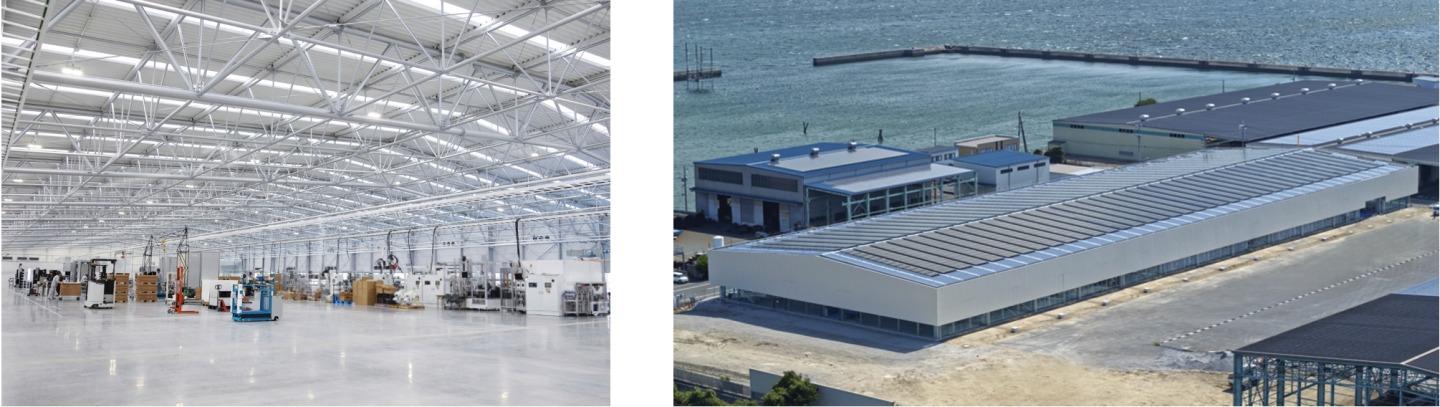
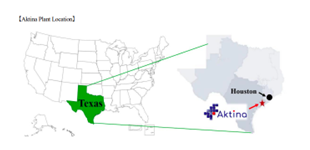
Photos of PowerX’s Power Base in Tamano, Okayama Pref
Aquila Clean Energy, a subsidiary of Hamburg-based investment firm Aquila Group, is looking to invest “several hundred million dollars” in battery storage opportunities in Japan and wind power projects.
In 2023, the firm began commercial operation of its 8 MW solar project in Chiba Pref.
The company appointed Kuriyama Netoshi as Japan office head.
Canadian Solar will enter the Japanese market to sell home storage batteries that could be used during power outages in emergencies such as earthquakes.
CONTEXT: Canadian Solar aims for a 15% market share in Japan’s storage battery market by 2026. The firm’s storage battery business is handled by Eternalplanet Energy, which established a Japanese subsidiary last year.
Nikkiso has developed pumps for ammonia-coal co-firing that can move fuel liquid ammonia out of 100-meter tall tanks to pipelines and to power generation units. It plans to deliver the equipment to domestic power utilities by 2026, and subsequently to ammonia terminal operators overseas.
The pump’s main safety feature is “the submerged motor” protected in a container and closely integrated with the pipes, and immersed into the liquid ammonia.
This technology has been used for small pumps but not for large energy facilities.
CONTEXT: Power generation requires tanks, pipelines, pumps and other facilities to operate at scale. Nikkiso is the world’s largest producer of cryogenic pumps, used in LNG terminals, and their experience made it possible to develop fuel ammonia pumps. The pump delivery in 2026 is good timing as commercial scale ammonia-coal co-firing is expected to begin in 2027-2028.
TAKEAWAY: Ammonia causes corrosion of steel and other materials, and although the equipment comes with safety mechanisms, it might not be effective if corrosion causes the parts to break. Nikkiso declined to elaborate on the steel material used for the parts that come directly in contact with ammonia. Their other pumps use nickel alloys.
IHI and U.S.-based GE Vernova inked a deal to develop a two-stage gas turbine combustor fueled 100% by ammonia. It will be compatible with GE Vernova’s 6F.03, 7F and 9F gas turbines.
The 9F turbine is used by Sembcorp’s 815 MW Sakra cogeneration power plant in Singapore; the combustor will be deployed there when developed.
CONTEXT: This is an opinion piece by the newspaper’s editorial board.
Hokkaido Electric should consider decommissioning the Tomari Nuclear Power Plant because of: 1) safety issues due to proximity to volcanoes and location on a peninsula where a nuclear accident would exacerbate communities isolated in an earthquake like the recent large one off the Noto Peninsula; and 2) the costly upkeep.
The utility’s messaging has been contradictory. It wants to restart the NPP to provide power to Rapidus, but that company is touting how it will use renewable energy. The Japanese govt considers nuclear power a separate category from renewables.
A review on restarting the plant was extended a fifth time. It will conclude in June.
TEPCO President Kobayakawa met the mayors of Kashiwazaki City and Kariwa Village, (Niigata Pref) to express his commitment to improving the Kashiwazaki-Kariwa NPP and pursuing a steady approach its restart.
Discussions included safety measures and expectations for a prompt restart. Kariwa Village’s mayor Shinada expressed hope for a quick return to power generation.
Kashiwazaki City’s mayor Sakurai urged TEPCO to prepare for a safe restart after prolonged inspections. Mayor Shinada of Kariwa Village also mentioned the local consent process and criticism of unclear rules.
On Jan 22, KEPCO found damage in four heat transfer tubes of the steam generator during a routine inspection of Unit 4 at the Takahama NPP.
Since 2018, damage to heat transfer tubes have been discovered during routine inspections of Units 3 and 4 at Takahama NPP.
TAKEAWAY: The resumption of operations was scheduled for April 5. Now, the restart will likely be delayed. The company plans to replace Unit 3’s steam generators by 2026 and Unit 4’s by 2027.
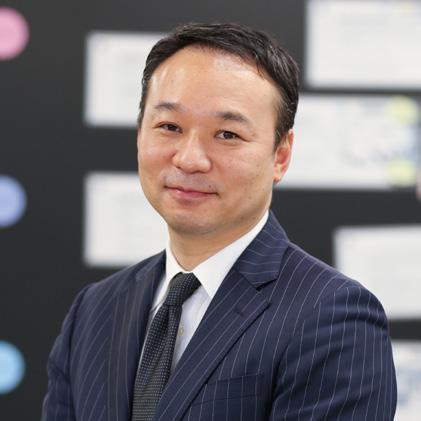
Tokyo Gas America, a subsidiary of Tokyo Gas, completed construction of its Aktina solar power plant in Wharton County, Texas. Partial operations began in Aug 2021.
The plant has a maximum output of 631 MW (DC), making it one of the largest solar power plants in the U.S.
Chugoku Electric and steel products maker Toyo Kohan launched the first agrisolar farm in the Chugoku Region, near Yamaguchi City.
The two firms signed an offsite PPA. The farm has solar panels installed above crops.
Chugoku Electric aims to develop a total of 64 MW of agricultural PV exclusively for Toyo Kohan’s Kudamatsu Plant. By providing electricity generated at the agrisolar plant, around 20% of the plant’s electricity will be replaced with clean energy.
CONTEXT: Regarding the Toyo Kohan project, the farming-type PVs are expected to reduce CO2 emissions and increase the amount of renewable energy introduced through the cultivation of crops.
Orix Group’s Spain-based subsidiary – Elawan Energy – will increase the amount of supplied power derived from renewables directly to Amazon. Elawan has been supplying power from five solar plants to Amazon under a PPA signed in 2023.
Based on this PPA, Elawan will supply an additional 160 MW of power generated at two wind farms and four solar plants that are now under development in Spain.
CONTEXT: Elawan is a wind and solar power developer / operator with power generation facilities in 15 countries. Orix acquired it in 2021. Amazon added 8.3 GW of renewables capacity in 2022, bringing the company’s renewables projects to 401 in 22 countries, with a total capacity over 20 GW.
Kumamoto-based solar power firm Yamatotaiyoko submitted a preliminary environmental assessment of its planned solar plant, AgriHills Solar, to METI, Kumamoto Pref and Yamato municipal govt.
If approved, the plant (107 MW) will be built in Yamato Town (Kumamoto Pref). The assessment report is open to the public for providing feedback until Feb 16.
TEPCO announced its FY2024 plan for the ocean release of treated water stored at the Fukushima Daiichi NPP. About 54,600 tons will be diluted with seawater and released in seven stages. The annual tritium discharged will be about 14 trillion bq.
The ocean release will take place from April 2024 to March 2025. There will be inspections of measuring equipment and some tanks over November to February and there will be no water release during this period.
CONTEXT: During FY2023, TEPCO’s plans were to release about 31,200 tons of treated water. FY2023’s fourth and final release is set for late Feb.
TEPCO announced a delay in the removal of melted fuel rods from the Fukushima Daiichi NPP until around October. Originally, it scheduled the removal to start within a decade of the 2011 meltdowns. This is the third delay.
Fuel debris removal is set to begin with Unit 2. TEPCO is working on a device resembling a fishing rod to extract melted fuel from narrow gaps. Initially, the company planned to use a robot arm to remove the debris. However, changing the method of removal requires approval by the NRA, which will take months.
Petroleum Association of Japan’s Chairman Kito said at a news conference that the Dubai crude oil price reached $80 per barrel. The rise is due to Middle East tensions and a partial halt in crude production in North Dakota due to the cold wave.
The missile-drone attacks in the Red Sea have led to a 30% reduction in navigation through the Suez Canal, increasing freight rates as journeys are now longer.
The chairman anticipates that the Dubai crude oil price will remain in the range of $75 to $90 over the next month.
TAKEAWAY: The Red Sea crisis led Japanese shipping companies NYK, Kawasaki Kisen and Mitsui O.S.K. to halt transit in the area. Japan’s oil purchases, however, are mostly from the Persian Gulf; so, the impact is minimal for now. That could change if tensions spill over.
INPEX Corp was awarded Block SK510 in Malaysia’s bid round 2023 held by Malaysia Petroleum Management and Petronas.
INPEX signed a production sharing contract with Petronas, and others. It will take 25% of the production.
SK510 is a hydrocarbon exploration block off the coast of Sarawak. This marks the third exploration block awarded to INPEX in Malaysia, following 4E and SK418 blocks in Feb 2023.
Tokyo Gas set up Thai Binh LNG (TBLP). This is a collaboration with Truong Thanh Viet Nam Group (TTVN) and Kyuden International (KIC). The JV aims to develop an LNG-to-power project in Thai Binh Province, Vietnam.
There’s a feasibility study for an offshore LNG receiving terminal and a 1.5 GW natural gas-fired power plant. They’ll focus on development, construction, and operation of the power plant and LNG terminal.
Also, the project includes LNG procurement and electricity sales to Vietnam Electricity. TBLP plans to start commercial operation in 2029.
TOP INTERVIEW: METI Director in charge of Aerospace and Defense
Japan NRG sat down with KUREMURA Masuo, Director of Aerospace and Defense Industry Division at the Manufacturing Industries Bureau, METI, to discuss the latest energy issues and outlook. Mr. Kuremura explained Japan’s strategy on clean fuels for transport, the leading tech in next-gen aviation, and which countries and companies the government is working with.
CLEAN TRANSPORT
Q: Are there any common solutions to decarbonize transport in general, or will each sector (aviation, shipping, road) need its own solutions?
A: My feeling is, at this moment there is no single innovation or solution that can solve all transport decarbonization needs. Whether it’s for airplanes, sustainable aviation fuel (SAF), electrification, fuel cells, direct combustion of hydrogen, lightweighting, efficiency improvements, or operational enhancements, solutions differ significantly. Therefore, it’s crucial to plant the seeds for various innovations.
Another thing to keep in mind is how the efficiency of a solution changes based on market developments. In this sense, progress in innovation and market realities are interconnected. So, we need to track progress gradually while pursuing various options and improvements.
However, there are fundamental ideas that can apply to various sectors, such as SAF, hydrogen, and electrification. So, rather than developing solutions exclusively for, say, aviation, it is crucial to work on common technological foundations that can be applied in the auto and energy space, among others.
SUSTAINABLE AVIATION FUEL (SAF)
Q: To decarbonize aviation fuel, Japan seems to primarily focus on SAF. But there are many ways to make SAF. Which technology / route does METI support as the most suitable for the Japanese market?
A: The initial focus is on promoting a widespread adoption of established technologies, such as HEFA using waste cooking oil. Then there’s high expectations for the adoption of ATJ, a type of bioethanol-derived SAF. However, as waste cooking oil is a finite resource, and bioethanol is derived from edible raw materials, relying solely on these sources would be risky. There are already moves in Europe to regulate biofuels derived from edible raw materials such as ATJ bioethanol on concern that its proliferation could cause a food crisis.
In addition, to meet future increases in demand, we need to look at ways to produce a certain volume of clean fuels synthetically. This could be through the synthesis of hydrogen and CO2 to create eSAF. So, in a sense, while we’re relying initially on HEFA and ATJ to lay the foundations, we must plan for the future with synthetic fuels like eSAF.
In Japan, this is how the combination looks like:
Cosmo Oil, JGC Holdings Corp, and Revo International – to recover waste cooking oil and produce 30,000 kL of SAF by 2024-25
Idemitsu Kosan – to establish ATJ technology using bioethanol, targeting 100,000 kL of SAF by 2026
ENEOS Corporation – to research eSAF production, aiming for commercialization by 2040.
Regardless of international efforts, it’s crucial for us to increase domestic SAF supply.
Q: METI set an ambitious goal for the aviation industry: SAF use for 10% of fuel by 2030. How will you monitor whether airlines comply with the regulations? Are there penalties?
A: Japan’s projected supply of SAF in 2030 is expected to be approximately based on the estimate that domestic SAF manufacturers can supply 1.92 million liters. This is more than the expected demand from airlines. Therefore, we believe that the 10% target is quite feasible. Additionally, together with the Agency for Natural Resources and Energy and the Ministry of Land, Infrastructure, Transport and Tourism (MLIT), we are conducting public-private discussions. There are ways to increase SAF volumes further, and we are looking at various forms of support, including for large-scale facility investments and tax breaks.
Specific conditions are being worked out by the MLIT, but the 10% target will be applied within the Civil Aeronautics Law, which all airlines are expected to comply with. As METI, we’ll enforce the regulation under the Energy Supply Structure Enhancement Act and also actively support the supply side.
Q: By 2030, how much of Japan’s SAF will come from domestic/overseas sources?
A: The 1.92 million liters demand number for 2030 is essentially based on the assumption that it is all or largely domestically produced SAF.
Initially, the focus is on boosting domestic SAF production. But our industrial policy is not limited to providing SAF for Japan only. We believe there will be significant opportunities for Japan to supply SAF in the Asia-Pacific (APAC) region. Thus, our goal is to promote the enhancement of Japanese refinery tech and other related facilities, via large capital investments and tax incentives, to meet demand in the broader Asian market.
We consider it crucial to expand the refining industry beyond domestic oil refineries, to engage in overseas ventures and get evolved in the green chemicals industry. In this sense, we believe it’s essential to think globally. While some products will be manufactured in Japan, others may be produced overseas.
Additionally, with hydrogen-derived products like eSAF, we anticipate exploring various approaches, such as importing green hydrogen to produce SAF domestically. We also support the development, demonstration, and certification of technologies related to SAF from non-edible sources, such as next-generation ethanol, algae, and waste.
HYDROGEN, BATTERIES IN AVIATION
Q: The GX strategy mentions a potential development of next-generation aircraft using hydrogen, batteries, and lightweight materials. What’s the status of these developments?
A: There are various support initiatives funded from the budget and the GI (Green Innovation) project. These include R&D into motors, batteries, power generators, new composite materials, such as carbon fiber composites, and more. Additionally, for hydrogen aircraft, there’s support for the manufacture of combustion systems for direct combustion, pumps, and storage tanks. Depending on the project, we’ve already succeeded in prototyping and testing these at the component level.
So, with each component tested, the next step is to integrate them into sub-systems in which the parts seamlessly work together. We plan to demonstrate the functionality of these sub-systems and progress toward integrating them into a complete aircraft.
In November 2023, the METI initiated a program to develop hybrid electric systems and hydrogen fuel cell systems for aircraft. This program is currently open for applications; we expect to work with those companies that show interest starting about July 2024.
Q: In the U.S., startups like Universal Hydrogen, ZeroAvia, and H2FLY have completed test flights using liquid hydrogen fuel. Some have formed partnerships with Japanese airlines. How does the Japanese government view the development of this technological cooperation? Will Japan try to design and manufacture hydrogen-fueled aircraft also?
A: Japan already has expertise in handling hydrogen, not only for aircraft but also as fuel cells in autos and for space-related applications. Components for such technologies were successfully tested at the component level. The challenge now is to move beyond waiting for someone to buy these components and actively create an entire aircraft. Although there was a setback in February 2023 with the MSJ project, our goal to create a complete aircraft remains unchanged. However, the lesson learned is that it is a difficult challenge for a single entity that’s solely Japanese. We recognize the need to integrate global resources, and in this sense, we aim to collaborate with various OEMs on both aircraft and engine fronts.
While remaining an essential parts supplier, we also want to be an integration partner. This perspective has been communicated to our existing OEM partners, emphasizing that Japan, through METI, is supporting companies that are not just individual components suppliers.
Q: For example, integration partners with Airbus or Boeing?
A: There are plenty of possibilities. Although we cannot disclose the exact nature of various discussions, naturally, they are based on finding ways to develop next-generation carbon-neutral aircraft. There are expectations that Japan will be an integration partner in these developments.
Q: What about battery-powered aircraft, what role does Japan plan to play in that market?
A: We have several projects for decarbonization. Two are related to hydrogen: direct combustion and fuel cells. Two more are based on combining SAF and electrification. One program is about finding lighter materials that will improve the fuel efficiency and handling of aircraft.
We don’t have any projects that look at electric motor aircraft powered exclusively by batteries. With the current state of battery tech development, including solid-state batteries, making planes that fly only on battery power is tricky – the aircraft tends to be too heavy. So, we are looking at hybrid solutions. However, we actively support R&D in batteries for other applications, like drones and electric vehicles (EVs).
Q: When should the general public expect to travel on next-generation clean aircraft?
A: Airbus has already announced plans to bring to market a hydrogen-powered commercial aircraft by 2035 and set 2026 as the timeline for demonstration flights. This serves as a benchmark for how Boeing will develop its aircrafts. Additionally, projects in hybrid electric propulsion are underway. I believe these are feasible timelines and we’re actively working as integration partners to make them a reality.
Q: Japan among the world’s first buyers of the Dreamliner aircraft. Will it also be the first to embrace hydrogen-powered planes?
A: Being a launch customer definitely has its merits and, as METI, we want to support the demand side, too. As I mentioned earlier, relying solely on SAF is not an option if we are to achieve carbon neutrality. It’s essential to explore aircraft-side development, such as integrating SAF with hybrid electric propulsion, to look at systems that combine hydrogen and other options. Thus, the recent partnership between hydrogen powered aircrafts startups and JAL, where airlines are involved in new airplane technologies aside from SAF, is indeed a welcome development.
CARBON EMISSIONS & CREDITS
Q: Airlines worldwide have strict goals for decarbonization. Can Japan achieve them?
A: This is an international agreement, so it’s not just a matter of Japan achieving it or not. We must work towards it. If, for some reason, we cannot hit these goals, CORSIA may require some form of payment. That’s why we must speed up R&D into SAF, light weight, hydrogen flight, fuel cells, and hybridization. Japan should leverage its expertise in these areas and collaborate internationally.
Q: Is there potential for Japanese carbon credits (J-Credits) to be used by the airlines?
A: At this moment, even if it’s accepted on the J-Credit side, the credit won’t be accepted under CORSIA certification. So, in a way, if CORSIA acknowledges [the validity of J-Credits], that should be acceptable.
INTERNATIONAL COLLABORATION
Q: Which countries or companies are potential partners or collaborators for Japanese aviation?
A: Japan’s aviation industry has a historical connection with Boeing in aircraft development. Therefore, it is natural for us to consider how to grow together with Boeing in the future. We are already engaged in discussions with them about incorporating new carbon-neutral technologies into the next generation of aircrafts. But collaboration with Airbus is also crucial. They launched the ZEROe project for 2035, and we would like to engage in discussions with them.
While we value our partnership with Boeing, we are open to collaboration with various countries and companies. We want to ensure that our involvement is not limited to Japan but extends to partnerships on an international level.
Q: One option often touted as a way for Japan to lower its transport emissions quickly is to import more bioethanol and mix it with petroleum fuels. In many countries, the bioethanol blend ratio is 10%, but in Japan the ratio is much lower. Will this change?
A: Brazil and the U.S. have a surplus of corn and would like to sell some of this excess to Japan. If Japan can obtain it at a reasonable cost, going with this approach is entirely feasible.
However, relying solely on imported bioethanol poses significant risks. Especially in Europe, there is a heightened concern about edible fuels, specifically around biofuels created from sources that can also be used for food. This could lead to regulation that restricts the use of food-derived fuels in Europe’s aviation infrastructure. That would make it challenging for us if aircraft that use such fuels cannot fly to European countries.
We have no intention to decline the use of Brazilian or American [biofuel] products. The emphasis from our side, however, is on a diversified portfolio. There is no practical one-stop solution. From this perspective, international cooperation is highly encouraged.
ANALYSIS
By JAPAN NRG TEAM
METI Begins Work on the Seventh Strategic Energy Plan
Japan needs more practical steps to revive nuclear power. Energy mix planning should not be only about supply, but also demand. And, METI’s view that electricity consumption in Japan will decline is wrong.
Those are some initial points raised by experts that were selected by METI to help draft the country’s next Basic (Strategic) Energy Plan. The document is revised every three years and serves as the basis for both state and private efforts. It will enter its 7th edition this year once a draft is released in late spring to early summer. Work on this draft has officially begun.
Final approval of the new Basic Energy Plan will be on the agenda before the Diet elections that are scheduled before September 2024. It will be followed by Cabinet approval.
National strategies for the energy sector often serve as idealized projections that set a course rather than precise roadmaps. Still, Japan’s current Basic Energy Plan foreshadowed a greater government emphasis on renewable energy and the emergence of a new electricity source: the co-firing of hydrogen / ammonia. It also served as the framework on which the government based its United Nation’s commitment to reducing emissions 46% by FY2030.
The new edition of the Plan will cover a period that ends just three years shy of the end of this decade, but METI will likely extend the horizon of the 7th edition to at least 2035. The main trajectory, however, will survive drastic changes with the country’s 2030 and 2050 commitments due to remain in place.
As government officials struggle to marry climate commitments with energy realities, Japan NRG looks at the status of the current discussions hosted by METI.
First meeting
Official discussions on revisions to the Plan first aired in public on December 18, when the Strategic Policy Committee – under the auspices of the Advisory Committee for ANRE – held its first meeting on the matter.
From METI’s perspective, the important context for a revision of the Plan was the change in international circumstances since 2022, when Russia’s invasion of Ukraine triggered a range of economic sanctions against Moscow that disrupted energy markets, and the recent spike in tensions in the Middle East. The events confirmed the government resolve to focus on energy security as the primus inter pares of Japan’s four energy priorities.
Among the options available to the country to bolster its energy security, the Strategic Policy Committee noted the importance of nuclear energy and the greater global endorsement that the tech is receiving lately. At COP28 last year, for example, 22 nations including Japan pledged to triple nuclear power capacity by 2050.
The meeting also noted that the government gained approval in 2023 for its two headline decarbonization bills, namely the GX Promotion Bill and GX Decarbonization Power Supply Bill. The Cabinet also endorsed the Strategy for promoting transition to a decarbonized growth-oriented economic structure (July 2023).
However, there’s now a sense of urgency around creating practical guidelines for new decarbonization technologies and sectors that are vital for projects to move from paper into reality. At the top of METI’s agenda is streamlining the legal frameworks for hydrogen, Carbon Capture and Storage (CCS), and energy conservation.
Expert opinions: new ideas
During the December meeting, Strategic Policy Committee members were given the chance to comment on the next Plan. They pointed out that the energy landscape is changing faster than forecasted, in part to due to AI and other technology-driven innovations, and that these changes will lead to increased power demand.
Takeda Yoko (Executive Officer at Mitsubishi Research Institute) shared a preliminary calculation that, due to the popularization of information technology, the power consumption of the communications industry could increase nine-fold from 2020 to 2040. Thus, METI needs to secure sufficient power supply, especially for the semiconductor industry.
One of the underlying tenets of the current 6th Basic (Strategic) Energy Plan was that Japan’s electricity demand will decline by 10% during this decade.
Another structural change to the Plan proposed by experts was a rethinking of the approach that an “energy mix” is inherently a supply side issue. METI should consider a demand-side energy mix that takes into account the increasing role in the power systems played by solar and wind (i.e. intermittent energy sources).
Some experts warned that variable renewable energy sources are not the only ones that face supply disruptions. Committee members Endo Noriko (Keio University Global Research Institute) and Professor Yamaguchi Akira (School of Engineering, University of Tokyo) pointed out that Japan has so far met its energy mix goals, but its thermal power facilities are becoming less reliable and stable. For example, they’ve been vulnerable to the vicissitudes of geopolitical tensions in the past two years and this trend has to be addressed, the experts said.
Nuclear comeback
The role of nuclear energy was the topic that drew the most comments. Committee members said that the role played by nuclear power facilities was underemphasized in Japan. In early 2023, when eastern Japan was facing rising electricity bills due to high fossil fuel prices, Kansai Electric in western Japan was the only utility to keep costs relatively stable thanks to nuclear plants making up a significant part of its portfolio.
Experts worry what will happen to Japan’s nuclear assets as they age and license terms expire over the next 15-20 years. Japan should revise the nuclear policy to ensure continued growth of the industry as this ensures energy self-sufficiency, said Kudo Teiko (board director of Sumitomo Mitsui Banking Corp). Experts criticized the government for speaking a lot about promoting nuclear energy but taking little action, which has made it difficult for nuclear operators to make decisions.
Experts were almost unanimous in asking METI to speed up the restarts of nuclear plants, in writing strategies to build new nuclear facilities and not waiting for new reactor technologies to fully develop. They also asked officials to step up measures to resolve intermediate nuclear waste storage and fuel recycling issues.
Committee member Sumi Shuzo (executive adviser of Tokio Marine & Nichido Fire Insurance) noted that the restart of reactors to date has been exclusively in the west of Japan. If a significant natural disaster were to occur, the nuclear gap between east and west of the country would be exacerbated, Shuzo said.
METI responded by saying that too many thermal power stations are situated in the Tokyo Bay area. If a severe earthquake were to hit the capital, many thermal power plants would close. With no nuclear reactor capacity online in eastern Japan, the region would surely face a major blackout. The volume of electricity that can be transferred between regions, especially between eastern and western Japan where grids run at different frequencies, is limited.
Hydrogen expectations
The panelists also presented policy ideas not directly related to the energy strategy. Regarding hydrogen, METI officials noted that there was a limit as to what fiscal budgets could do to spur the growth of hydrogen consumption.
Committee member Terasawa Tatsuya (Chairman and CEO of The Institute of Energy Economics, Japan (IEEJ)) said more regulatory schemes are needed to encourage the consumer adoption of hydrogen solutions. Government policy should focus on promoting local hydrogen production and subsidize it to improve self sufficiency, said Kudo.
To counter earthquake risk, Sugimoto Tatsuji (governor of Fukui Prefecture) said that hydrogen supply bases should be built along both the Sea of Japan coast and the Pacific coast, and be connected by pipelines.
Conclusions
The discussion by committee members is structured as a dialog, but oftentimes the comments made by experts are a reflection of the thinking and intentions inside METI. In this sense, it’s no surprise that nuclear power was given such detailed attention, especially since the ministry sees it as a core tool of energy security.
However, certain aspects of nuclear operations are outside of METI’s control, including the restart of the reactors, which depends on regulatory approval and local and prefectural government support.
So, the routes available to the ministry include publicizing more ambitious and detailed nuclear sector roadmaps that would seek to persuade the public and businesses of the need to build new reactors. But how effective this approach will be is unclear.
An area that received relatively little discussion so far was the current target to have renewables make up 36-38% of the electricity mix by 2030. It seems that this target remains unchanged, so METI must offer more ideas on how it will rapidly boost renewables, which accounted for only 22% of the mix last year.
ASIA ENERGY REVIEW
BY JOHN VAROLI
This weekly column focuses on energy events in Asia and the Pacific, and all that impact markets in the region.
APAC / Renewables
Renewables capacity in Asia Pacific will grow by about 430 GW from 2023 to 2028, which would be 73% over 2022. India will contribute about half of this growth. The IEA expects India to install 205 GW from 2023 to 2028, doubling its 2022 installed capacity, and becoming the third-largest market for renewables globally.
Electricity demand
Global growth in electricity demand eased to 2.2% in 2023 due to declines in advanced economies, but it’s expected to grow henceforth. About 85% of the increase in the world’s electricity demand is expected from China, India and Southeast Asia. China’s power demand reached 8,000 TWh in 2022 and is expected to reach 16,800 TWh by 2050, driven by industrial growth. India’s power demand was 1,400 TWh in 2022, and will grow to 6,900 TWh by 2050, also driven by industrial growth.
India / Coal power
India reported a “remarkable growth” in coal power generation from April to December 2023, increasing by 10.13% YoY to help meet the county’s rising energy demand
LNG supply
By 2030, the world will have 646 mln tons of LNG supply capacity, an increase of 188 mln tons compared with 2023, according to S&P Global Commodity Insights. Asia Pacific will be the destination for an estimated half of that supply as demand rises in the region.
LNG
The U.S. paused its decision on approval for what would be the country’s largest natural gas export terminal. The delay could stretch past the presidential election and complicate 16 other proposed terminals. The $10 billion Calcasieu Pass 2 project would export up to 20 mln tons of natural gas per year, increasing total U.S. gas exports by about 20%.
Malaysia / Power grid
Tenaga Nasional Berhad (TNB) partnered with Chinese state-owned power utilities to boost the ASEAN Power Grid with high-voltage direct current technology (HVDC), which is crucial in enabling efficient power trading and integration of renewable energy sources amongst the markets in the region.
Philippines / Energy conservation
An order was issued to reduce the government’s monthly consumption of electricity and petroleum products through conservation measures. Energy audits will be conducted to ensure compliance, alongside random energy spot-checks
Singapore / Renewables
The Solar Energy Corporation of India (SECI) gave approval to Green Infra Wind Energy, a subsidiary of Singaporean renewables developer Sembcorp, to build a 450 MW hybrid solar-plus-wind project in India. The power will be sold to SECI under a 25-year PPA.
Southeast Asia / Floating solar
Floating solar photovoltaics (FPV) is crucial in boosting renewables capacity in the region, with the Philippines, Indonesia and Thailand poised to lead growth. Rystad Energy said there are around 500 MW of operational FPV projects in the region, with around 300 MW to come online in 2023.
Southeast Asia / Russian coal
Russian coal exports to Southeast Asia surged in 2023, said analytics firm Kpler. Sri Lanka boosted purchases by 4.5 times to 1.6 mln tons. Vietnam nearly doubled imports to 3.9 mln tons, Malaysia, by 18% to 3.8 mln tons, and Indonesia, by 1.7 times to 3.4 mln tons.
2024 EVENTS CALENDAR
A selection of domestic and international events we believe will have an impact on Japanese energy
January
First market trading day (Jan 4)
Japan’s Diet convenes (January)
The first Long-Term Decarbonization Power Source Auction
Renewable Energy Exhibition (Jan 31 – Feb 2)
Taiwan presidential election (Jan 13)
February
India Energy Week 2024 (Feb 6-9)
Smart Energy Week (Feb 28-Mar 1)
Lunar New Year (Feb 10-17)
CFAA International Symposium (Feb 2)
Indonesia presidential election (Feb 14)
FIT/FIP solar auction (Feb 19 – March 1)
Japan-Ukraine Conference for Promotion of Economic Reconstruction (Feb 19)
March
Announcement of the last auction result for Offshore Wind Round 2 (for Akita Happo-Noshiro area)
Onshore wind auctions (March 4-15; results on March 22)
International LNG Congress (LNGCON) 2024, Milan (March 11-12)
Russian presidential election (March 15-17)
Ukraine presidential election (due before March 31)
World Petrochemical Conference, Houston, TX, (March 18-22)
End of Japan’s fiscal year 2023 (Mar 31)
April
Details of 2024 capacity auction results released
Japan Atomic Industrial Forum (JAIF) Annual Conference
Global LNG Forum (Apr 15-16), Madrid, Spain
Global Hydrogen & CCS Forum (Apr 17-18), Madrid, Spain
World Energy Council (WEC), Rotterdam, Netherlands (Apr 22-25)
May
May Golden Week holidays (May 3-6)
World Hydrogen Summit (May 13-15)
June
Japan Energy Summit & Exhibition (June 3-5)
G7 Summit in Italy
International Conference on Oilfield Chemistry and Chemical Engineering (IOCCE), Tokyo (June 10-11)
American Nuclear Society (ANS) Annual Conference, Las Vegas (June 9-12)
Happo Noshiro, Murakami-Tainai, Oga-Katagami-Akita and Saikai-Eshima wind project auctions close (June 30)
July
Tokyo governor election (July 7)
7th Basic (Strategic) Energy Plan draft published (expected)
August
7th Basic (Strategic) Energy Plan draft presented to Cabinet (expected)
September
The United Nations Summit of the Future (Sept 22-23)
Gastech 2024, Houston, TX, USA (Sep 17-20)
IAEA General Conference
GX Week in Tokyo (expected late Sept to October)
Asia Green Growth Partnership Ministerial Meeting
Asia CCUS Network Forum
International Conference on Carbon Recycling
International Conference on Fuel Ammonia
GGX x TCFD Summit
October
IEA World Energy Outlook 2024 Release
BP Energy Outlook 2024 Release
Innovation for Cool Earth Forum (expected)
Connecting Green Hydrogen Japan 2024 (Oct 16-17)
Japan Wind Energy 2024 Summit (Oct 16-17)
Solar Energy Future Japan 2024 (Oct 16-17)
Japan Mobility Show (Oct 25-Nov 5)
November
U.S. presidential elections (Nov 5)
COP 29 in Azerbaijan (Nov 11-22)
Abu Dhabi International Petroleum Exhibition Conference (ADIPEC) 2024, Abu Dhabi, UAE (Nov 11-14)
International Conference on Nuclear Decommissioning (TBD)
G20 Rio de Janeiro Summit (Nov 18-19)
Biomass & BioEnergy Asia Conference (TBD)
European Biomethane Week 2024
December
Last market trading day (December 30)
Disclaimer
This communication has been prepared for information purposes only, is confidential and may be legally privileged. This is a subscription-only service and is directed at those who have expressly asked K.K. Yuri Group or one of its representatives to be added to the mailing list. This document may not be onwardly circulated or reproduced without prior written consent from Yuri Group, which retains all copyright to the content of this report.
Yuri Group is not registered as an investment advisor in any jurisdiction. Our research and all the content express our opinions, which are generally based on available public information, field studies and own analysis. Content is limited to general comment upon general political, economic and market issues, asset classes and types of investments. The report and all of its content does not constitute a recommendation or solicitation to buy, sell, subscribe for or underwrite any product or physical commodity, or a financial instrument.
The information contained in this report is obtained from sources believed to be reliable and in good faith. No representation or warranty is made that it is accurate or complete. Opinions and views expressed are subject to change without notice, as are prices and availability, which are indicative only. There is no obligation to notify recipients of any changes to this data or to do so in the future. No responsibility is accepted for the use of or reliance on the information provided. In no circumstances will Yuri Group be liable for any indirect or direct loss, or consequential loss or damages arising from the use of, any inability to use, or any inaccuracy in the information.
JAPAN NRG WEEKLY JAN 29, 2024 JAPAN NRG WEEKLY JAN 29, 2024 NEWS TOP ENERGY TRANSITION & POLICY ELECTRICITY MARKETS OIL, GAS & MINING ANALYSIS TOP INTERVIEW: METI DIRECTOR IN CHARGE OF AEROSPACE AND DEFENSE Japan NRG sat down with Kuremura Masuo, director of the Aerospace and Defense Industry Division at the Manufacturing Industries Bureau, METI, […]