
The contentious and protracted COP29, the COP of “climate finance,” concluded on November 24, hours into overtime in Azerbaijan, a country that derives half its GDP from oil and gas. The event was a success for some, including Japanese officialdom and many astute observers.
The key achievements were a New Collective Quantified Goal on Climate Finance (NCQG) and a tentative agreement on long-debated Article 6 rules for carbon markets. Overlooked in the media coverage is the fact that Japan has played a central role in mobilizing action on Article 6 carbon markets. The latter could become a vital source of finance for the $300 billion/ year (by 2035) climate mitigation and adaptation envisioned by the NCQG.
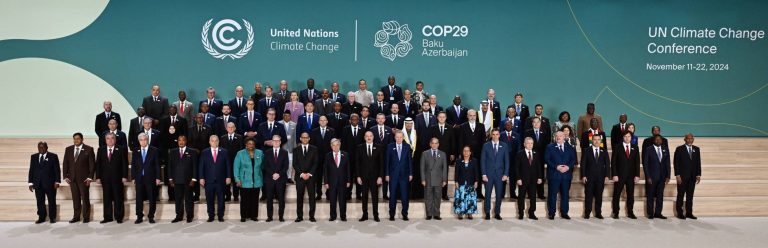
COP29, however, has also been derided as an abject failure by commentators who want the forum to be a venue where political will transcends the hard economic and electoral realities of the present. Let’s take a look at the event, why assessments are polarized, and why many Japanese and other climate realists are content with the results.