BY AGLAÉ BANGE
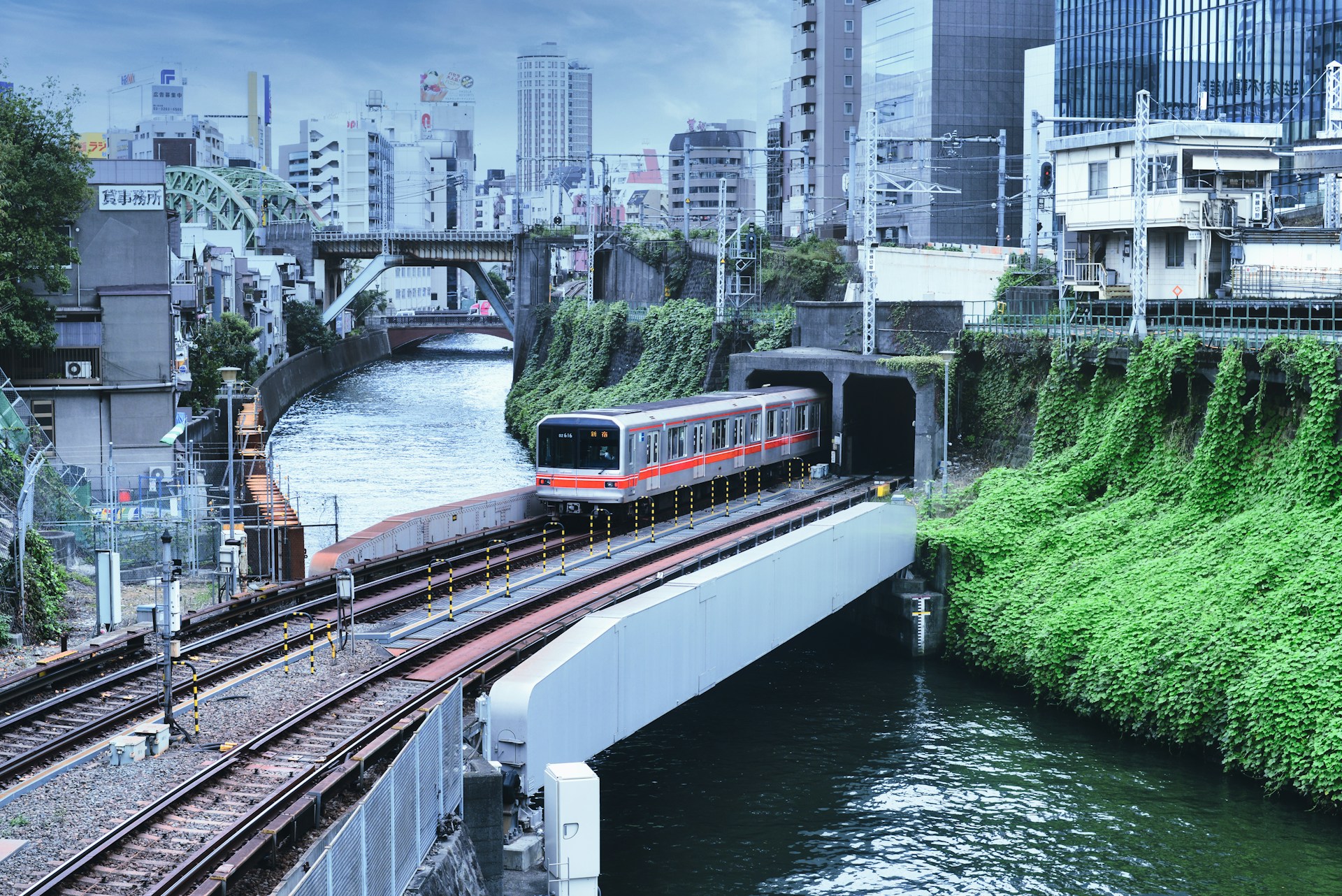
Take the train instead of flying. This is a common call in the public debate over the low-carbon advantage of railways versus airplanes.
As rail has the lowest carbon footprint among motorized transport modes, initiatives to further decarbonize the sector are less conspicuous than those in aviation or road transport.
Japan’s major railway operators have committed to carbon neutrality by 2050 and are investing in energy efficiency, renewable electricity and next-generation train technologies, including hydrogen-powered and battery-electric trains. But their ambitions increasingly extend beyond reducing emissions from railway operations.
With extensive land holdings, infrastructure and experience managing large electricity loads, railway operators are well placed to expand their role in the energy sector. They are already becoming sizable green electricity offtakers, with power purchase agreements representing at least 400 MW of contracted generation capacity. Some are now going further, investing in battery energy storage systems (BESS) and entering the electricity trading business.
So, while it’s true that increasing rail transport’s share of passenger and freight mobility could help Japan reduce transport emissions, the real bigger role for the country’s railway operators may lie not on the consumer side but as active participants in the power market.
What opportunities and challenges lie ahead?