BY THOMAS SHOMAKER
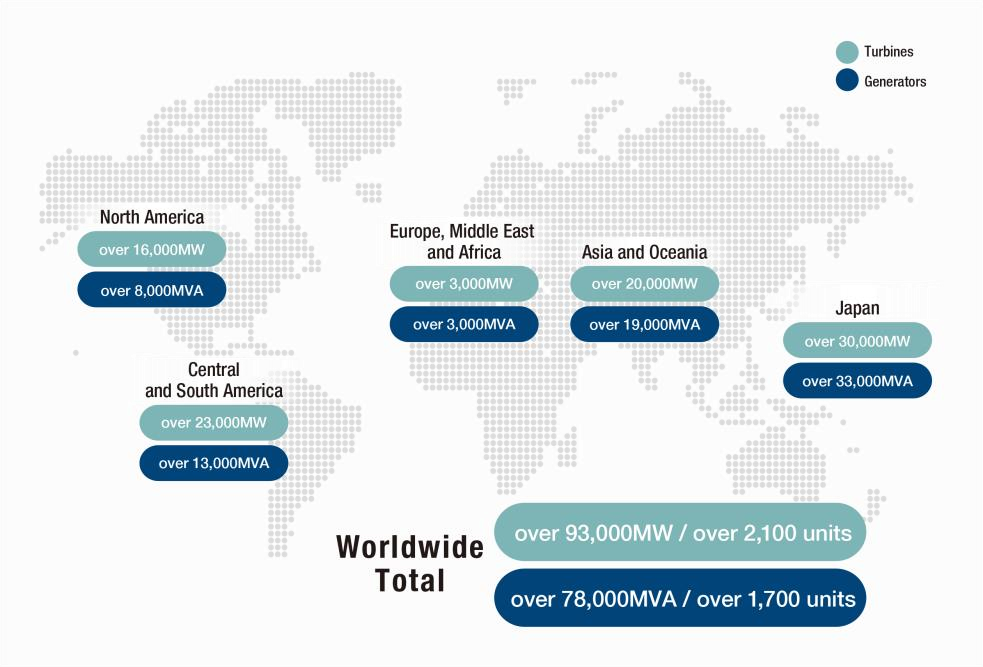
world, for both traditional hydro power and PSH.
Abandoned strip mines rarely find second lives. But in Australia’s Far North Queensland, the Kidston Gold Mine, shuttered 25 years ago, is being retrofitted by Japanese electricity producer J-Power into the world’s first pumped storage hydro power plant utilizing such an asset. If successful, this project will pave the way for pumped hydro projects around the world in areas not previously considered for this type of energy storage.
With a growing portfolio of international projects, J-Power and other Japanese companies are well positioned to help Japan dominate the growing pumped hydro market as the sector rides a global renaissance. In fact, Kidston will be Australia’s first new pumped storage plant since the early 1980s.
Power grids need long-duration solutions to balance intermittent wind and solar energy, and Pumped Storage Hydropower (PSH) offers just that. With over 200 GW of installed capacity in 2025, PSH is the world’s largest form of energy storage.
But most PSH infrastructure was installed in the second half of the 20th century, designed to capture thermal or nuclear energy produced at times of low demand and strategically discharge to relieve electricity grids during peak consumption hours.
With the proliferation of renewable energy over the last 15 years, coupled with the increasing demands of data centers, countries around the world are reapproaching ‘water batteries’ as a crucial means of exploiting intermittent energy sources.