BY THOMAS SHOMAKER
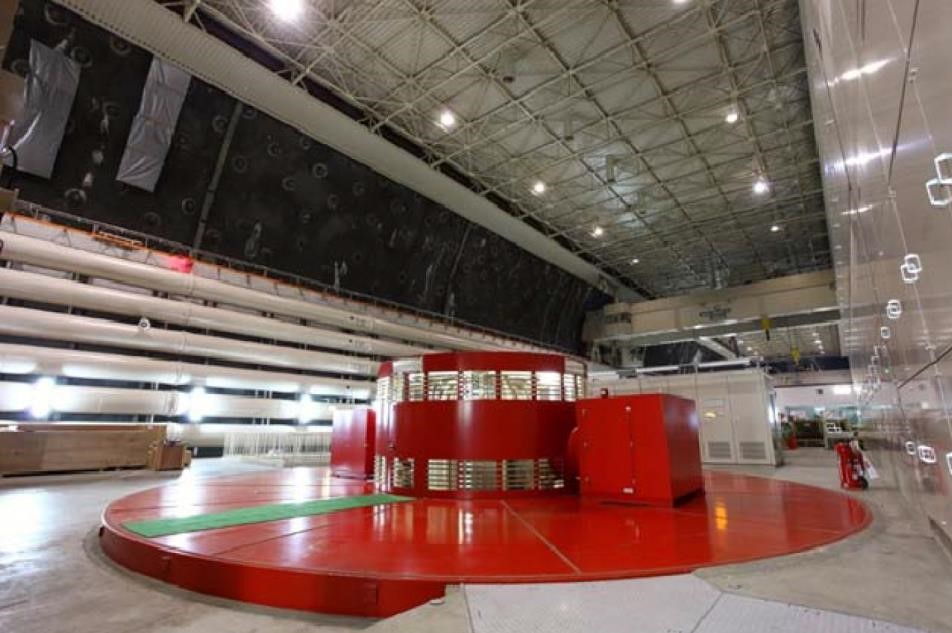
Pumped hydro is often viewed as an energy storage method of the past, with batteries seen as the more flexible and investable vessel for storing green electrons. But Japan’s biggest utilities have not only maintained faith in the former – they are tapping into little-known, specialized systems to imbue the technology with the flexibility needed to balance solar and wind.
Adjustable-speed pumped hydro systems have had little public attention since their debut around 1990, but their ability to vary power consumption while pumping has made them increasingly attractive to utilities facing sharper swings in electricity supply and demand.
Japan already has one of the world’s largest pumped hydro fleets, a technology that remains by far the biggest form of energy storage globally, and utilities are now upgrading portions of that legacy infrastructure to play a more active role in balancing renewable generation.
Most of Japan’s pumped hydro infrastructure dates to the latter half of the 20th century, when plants were built largely to complement nuclear generation: water was pumped uphill at night when electricity demand was low and released to generate power during daytime peaks. The shutdown of the nation’s nuclear fleet after Fukushima disrupted that operating model just as solar and, later, wind began expanding rapidly.
That shift has given pumped hydro a new role. Utilities have expanded and upgraded capacity as variable renewables increase the need for storage to absorb surplus electricity and respond to short-term imbalances. In 2025, curtailment of solar and wind reached 1.77 TWh across Japan’s four main islands, further incentivizing making existing storage assets more responsive.
Having built by far the most pumped hydro capacity per capita globally, does Japan have room for more?